 Call
Call Patient Reports
- Cardiology 84
- Dermatology 45
- Endocrinology 33
- ENT 16
- Fertility 190
- Gastroenterology 78
- General-Medicine 81
- Gynecology 80
- Hematology 19
- Infectious-Diseases 33
- Neurology 52
- Oncology 34
- Ophthalmology 23
- Orthopedics 69
- Pediatrics 31
- Procedure 23
- Public-Health 144
- Pulmonology 59
- Radiology 8
- Urology 68
- Wellness 161
- Woman-and-child 77
- 3320
- 3.3 Minute
Understanding Holistic Fitness
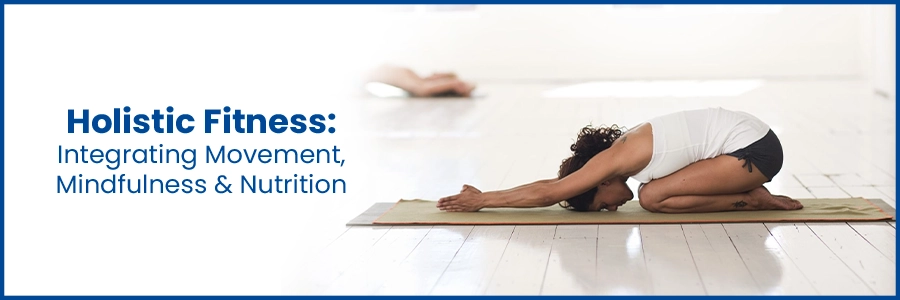
Holistic fitness is an approach that considers the body, mind, and spirit as interconnected aspects of overall health. Unlike conventional fitness programs that focus solely on physical exercise, holistic fitness emphasizes the importance of mental and emotional well-being. This approach aims to create a balanced lifestyle that fosters long-term health and wellness.
Get a second opinion from trusted experts and makeconfident, informed decisions.
Get Second OpinionNot sure where to start?
Talk to a patient care advisor — free, confidential, 24/7. We'll match you to the right specialist and book your appointment in minutes.
The Holistic Approach to Fitness
A holistic approach to fitness integrates multiple dimensions of well-being. This means including activities and practices that nurture different aspects of health:
- Physical: Exercise routines that improve strength, flexibility, and cardiovascular health.
- Mental: Techniques such as meditation and mindfulness to enhance cognitive function and reduce stress.
- Emotional: Practices that promote emotional balance, such as journaling or therapy.
- Spiritual: Activities that foster a sense of purpose and connection, like yoga or spending time in nature.
Holistic Fitness Training
Holistic fitness training is designed to address all these components, creating a well-rounded and sustainable fitness regimen. This type of training may include:
- Customized Workout Plans: Tailored to an individual's physical needs and goals.
- Mindfulness Exercises: Incorporating practices like deep breathing and meditation.
- Nutritional Guidance: Emphasizing a balanced diet that supports overall health.
- Lifestyle Coaching: Advising on sleep, stress management, and other lifestyle factors.
Role of a Holistic Fitness Coach
A holistic fitness coach plays a crucial role in guiding individuals through their wellness journey. They provide personalized support and expertise, helping clients integrate various aspects of holistic fitness into their daily lives. Coaches can offer:
- Assessment and Goal Setting: Evaluating the client's current health status and setting realistic goals.
- Personalized Programs: Designing comprehensive fitness plans that address physical, mental, and emotional health.
- Continuous Support: Offering motivation, accountability, and adjustments to the program as needed.
Conclusion
Embracing holistic fitness means striving for a balance that promotes overall well-being. By understanding the holistic fitness meaning and adopting a holistic approach to fitness, individuals can achieve a harmonious and healthy lifestyle.
Whether through holistic fitness training or the guidance of a holistic fitness coach, this comprehensive method can lead to sustainable and profound health benefits. Holistic fitness is not just about working out; it's about nurturing every aspect of oneself to achieve true wellness.
Your health is everything - prioritize your well-being today.
Schedule Your AppointmentFrequently Asked Questions
Holistic fitness is an approach that focuses on integrating physical movement, mindfulness practices, and balanced nutrition to promote overall well-being.
Holistic fitness goes beyond physical exercise, considering mental, emotional, and spiritual aspects of health, creating a more comprehensive approach
Mindful movement includes activities like yoga, tai chi, walking in nature, and dance, where you engage with your body and surroundings consciously.
Mindfulness practices like meditation and deep breathing reduce stress, enhance mental clarity, and cultivate a deeper connection between the mind and body.
Nutrition fuels the body and mind. A balanced diet supports physical health, cognitive function, and emotional well-being
Yes, holistic fitness promotes mental health by reducing stress, improving emotional resilience, and enhancing cognitive function through mindfulness and balanced nutrition.
Absolutely, holistic fitness can be adapted to different fitness levels. It focuses on individual needs and preferences, making it accessible to everyone.
Start with small steps, like mindful breathing exercises, short walks, and including nutrient-rich foods in your meals.
Combining movement and mindfulness enhances physical health, reduces stress, and improves focus, resulting in a holistic sense of well-being.
Yes, research suggests that integrating movement, mindfulness, and nutrition can have positive effects on overall health and well-being.
Yes, by promoting balanced nutrition, mindful eating, and regular movement, holistic fitness can support weight management goals.
Mindful eating involves savoring each bite, paying attention to hunger cues, and eating with intention and gratitude.
Yes, foods rich in antioxidants, omega-3 fatty acids, vitamins, and minerals are known to support holistic health.
Absolutely, holistic fitness can be tailored to accommodate various age groups, including seniors, to enhance their overall well-being.
Yes, combining movement and mindfulness can help reduce stress and promote restful sleep, contributing to better sleep quality.
- Cardiology
- Case Studies
- Dermatology
- Endocrinology
- ENT
- Fertility
- Gastroenterology
- General
- General-Medicine
- Gynecology
- Hematology
- Infectious-Diseases
- Medical News
- Neurology
- Oncology
- Ophthalmology
- Orthopedics
- Pediatrics
- Procedure
- Public-Health
- Pulmonology
- Radiology
- Second Opinion
- Urology
- Wellness
- Woman-and-child
Related Blogs
Still have questions? Speak with our experts now!
040-68334455


