 Call
Call Patient Reports
- Cardiology 84
- Dermatology 45
- Endocrinology 33
- ENT 16
- Fertility 190
- Gastroenterology 78
- General-Medicine 81
- Gynecology 80
- Hematology 19
- Infectious-Diseases 33
- Neurology 52
- Oncology 34
- Ophthalmology 23
- Orthopedics 69
- Pediatrics 31
- Procedure 23
- Public-Health 144
- Pulmonology 59
- Radiology 8
- Urology 68
- Wellness 161
- Woman-and-child 77
- 3759
- 3.5 Minute
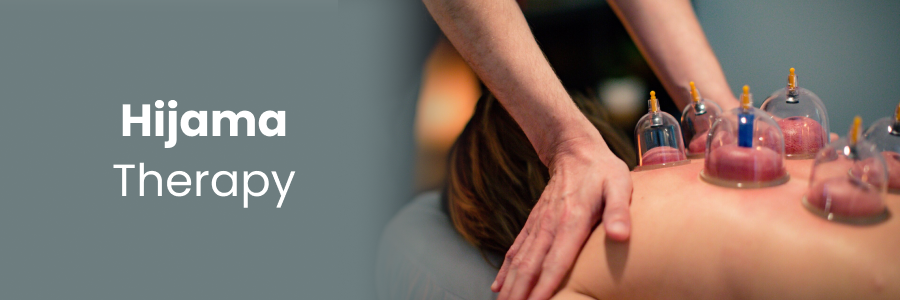
Hijama Therapy
Hijama therapy, also known as cupping therapy, is a traditional Islamic medical practice that has been used for centuries to treat a variety of ailments.
This form of alternative medicine involves creating suction on the skin using cups, which can either be dry (without incisions) or wet (with small incisions to draw blood). The therapy is believed to detoxify the body, relieve pain, and improve overall health.
The term "hijama" is derived from the Arabic word "hajm," which means "sucking." The therapy involves placing cups on the skin to create a vacuum, which lifts and mobilizes the underlying tissues.
Types of Hijama Therapy
There are two primary types of hijama therapy:
- Dry Cupping: This technique involves placing cups on the skin without making any incisions. The vacuum created by the cups draws the skin and superficial muscles into the cups, promoting blood flow and alleviating muscle tension.
- Wet Cupping: In this technique, small incisions are made on the skin before placing the cups. The vacuum created by the cups draws out a small amount of blood, which is believed to remove toxins and promote healing.
Get a second opinion from trusted experts and makeconfident, informed decisions.
Get Second OpinionNot sure where to start?
Talk to a patient care advisor — free, confidential, 24/7. We'll match you to the right specialist and book your appointment in minutes.
Benefits of Hijama Therapy
Weight Loss
Hijama therapy is increasingly being recognized for its potential in aiding weight loss. The therapy is believed to stimulate metabolism, improve digestion, and regulate hormones, all of which contribute to weight management. By promoting blood circulation and lymphatic drainage, hijama therapy helps the body eliminate waste and toxins, which can lead to a reduction in body fat.
Detoxification
Detoxification is one of the most acclaimed benefits of hijama therapy. The suction created by the cups draws out impurities and toxins from the body, which can improve overall health. Wet cupping, in particular, is believed to remove stagnant blood and harmful substances, thus enhancing the body's natural detoxification processes.
Skin Health
Hijama therapy can significantly improve skin health by increasing blood flow and oxygenation to the skin. This can help reduce the appearance of acne, scars, and other skin blemishes. The therapy also promotes the production of collagen and elastin, which are essential for maintaining youthful and healthy skin.
Pain Relief
One of the most common uses of hijama therapy is for pain relief. The therapy is believed to alleviate various types of pain, including headaches, migraines, back pain, and joint pain. The suction created by the cups helps relax tight muscles, reduce inflammation, and improve blood circulation, all of which contribute to pain relief.
Improved Immune Function
Hijama therapy is thought to boost the immune system by stimulating the production of white blood cells and enhancing lymphatic drainage. This can help the body fight off infections and illnesses more effectively.
Techniques of Hijama Therapy
Preparation
Before undergoing hijama therapy, it is important to prepare the body and mind. Fasting for a few hours before the session is recommended to ensure that the body is in a state of detoxification. It is also important to stay hydrated and avoid caffeine and heavy meals before the therapy.
Application of Cups
The therapist will begin by selecting the appropriate size and type of cups for the treatment. The cups are usually made of glass, bamboo, or plastic. The therapist will create a vacuum inside the cups using a pump or by heating the air inside the cups and then placing them on the skin.
Duration of Treatment
The cups are typically left on the skin for 5 to 20 minutes, depending on the condition being treated and the individual's tolerance. The therapist may move the cups around to target specific areas or leave them stationary.
Wet Cupping Procedure
In wet cupping, small incisions are made on the skin before placing the cups. The therapist will use a sterile scalpel to make superficial cuts, allowing a small amount of blood to be drawn out by the suction. This process is believed to remove toxins and promote healing.
Post-Treatment Care
After the therapy, it is important to rest and allow the body to heal. Drinking plenty of water and avoiding strenuous activities for the rest of the day is recommended. The treated areas may appear red or bruised, but this is normal and should subside within a few days.
Your health is everything - prioritize your well-being today.
Schedule Your AppointmentPotential Side Effects of Hijama Therapy
While hijama therapy is generally considered safe, it is important to be aware of potential side effects. These may include:
- Bruising and Skin Irritation: The suction created by the cups can cause bruising and skin irritation, which usually resolves within a few days.
- Infection: Wet cupping involves making small incisions on the skin, which can increase the risk of infection if proper hygiene is not maintained.
- Dizziness or Lightheadedness: Some individuals may experience dizziness or lightheadedness during or after the therapy, especially if they are fasting or dehydrated.
- Allergic Reactions: Some individuals may be allergic to the materials used in the cups or the oils applied to the skin during the therapy.
Conclusion
Hijama therapy offers a wide range of benefits, from weight loss and detoxification to improved skin health and pain relief. By understanding the techniques and potential side effects, you can make an informed decision about whether this traditional therapy is right for you. As with any medical treatment, it is important to consult with a qualified healthcare professional before undergoing hijama therapy to ensure it is safe and appropriate for your individual needs.
Frequently Asked Questions
Hijama therapy, also known as cupping, is an ancient alternative medicine practice that involves creating suction on the skin to promote healing.
Hijama therapy is believed to help with pain relief, detoxification, and improving blood circulation.
While some claim it helps with weight loss, scientific evidence supporting this is limited.
Risks include infection, bruising, or skin damage if not performed by a trained practitioner.
Hijama is thought to remove toxins from the blood and tissues, but the effectiveness of this claim is debated.
- Cardiology
- Case Studies
- Dermatology
- Endocrinology
- ENT
- Fertility
- Gastroenterology
- General
- General-Medicine
- Gynecology
- Hematology
- Infectious-Diseases
- Medical News
- Neurology
- Oncology
- Ophthalmology
- Orthopedics
- Pediatrics
- Procedure
- Public-Health
- Pulmonology
- Radiology
- Second Opinion
- Urology
- Wellness
- Woman-and-child
Related Blogs
Still have questions? Speak with our experts now!
040-68334455


