 Call
Call Patient Reports
- Cardiology 84
- Dermatology 45
- Endocrinology 33
- ENT 16
- Fertility 190
- Gastroenterology 78
- General-Medicine 81
- Gynecology 80
- Hematology 19
- Infectious-Diseases 33
- Neurology 52
- Oncology 34
- Ophthalmology 23
- Orthopedics 69
- Pediatrics 31
- Procedure 23
- Public-Health 144
- Pulmonology 59
- Radiology 8
- Urology 68
- Wellness 161
- Woman-and-child 77
- 3759
- 3.5 Minute
Symptoms of Gestational Hypertension
Pregnancy is an exciting time for many women, but it also comes with its share of health challenges. One such challenge is gestational hypertension, a condition that can pose significant risks to both the mother and the baby. Understanding the symptoms of gestational hypertension is crucial for early detection and effective management.
Get a second opinion from trusted experts and makeconfident, informed decisions.
Get Second OpinionNot sure where to start?
Talk to a patient care advisor — free, confidential, 24/7. We'll match you to the right specialist and book your appointment in minutes.
What Is Gestational Hypertension?
Gestational hypertension is high blood pressure that develops during pregnancy, usually after the 20th week. Unlike chronic hypertension, which is present before pregnancy, gestational hypertension is specific to the gestational period. It can lead to serious complications if not properly managed, including preeclampsia, which is a more severe form of hypertension.
Common Symptoms of Gestational Hypertension
Recognizing the symptoms of gestational hypertension early can help in managing the condition and preventing complications. Here are some common signs to look out for:
High Blood Pressure
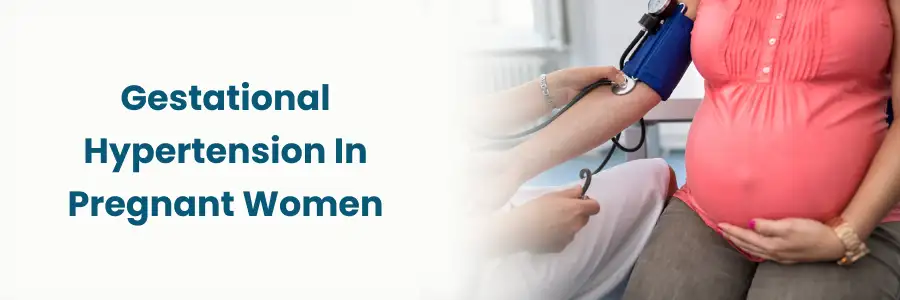
The most obvious symptom of gestational hypertension is elevated blood pressure. Blood pressure readings of 140/90 mm Hg or higher on two separate occasions at least four hours apart are considered high. Regular monitoring is essential to catch this early.
Swelling
Swelling in the hands, feet, and face is a common symptom of pregnancy, but excessive swelling could be a warning sign of gestational hypertension. This swelling, known as edema, occurs because the body retains more fluid than usual.
Sudden Weight Gain
While weight gain is a normal part of pregnancy, a sudden and rapid increase in weight can be a symptom of gestational hypertension. This is often due to fluid retention and should be reported to your healthcare provider immediately.
Protein in Urine
Another warning sign is the presence of protein in the urine, which can be detected through a simple urine test. This condition, known as proteinuria, often accompanies high blood pressure and is a key indicator of preeclampsia.
Severe Headaches
Severe, persistent headaches that don’t go away with standard pain relief methods can be a symptom of gestational hypertension. These headaches are often a result of increased blood pressure and should not be ignored.
Vision Changes
Changes in vision, such as blurriness, seeing spots, or sensitivity to light, can also indicate gestational hypertension. These symptoms occur due to the effect of high blood pressure on the nervous system.
Nausea or Vomiting
While nausea and vomiting are common in early pregnancy, experiencing these symptoms later in pregnancy could be a sign of gestational hypertension. It's important to differentiate between normal pregnancy-related nausea and symptoms that may indicate a more serious condition.
Risk Factors for Gestational Hypertension
Certain factors can increase the risk of developing gestational hypertension. Being aware of these can help in early detection and management.
Age
Women under the age of 20 or over the age of 35 are at a higher risk of developing gestational hypertension. Age-related changes in the body can contribute to this increased risk.
First Pregnancy
First-time mothers are more likely to develop gestational hypertension compared to those who have had previous pregnancies. The body’s response to pregnancy can vary, and the first pregnancy often carries more risks.
Multiple Pregnancies
Carrying twins, triplets, or more can increase the risk of gestational hypertension. The added strain on the body can contribute to higher blood pressure levels.
Preexisting Conditions
Women with preexisting conditions such as diabetes, kidney disease, or chronic hypertension are at a higher risk. These conditions can exacerbate the challenges of managing blood pressure during pregnancy.
Managing Gestational Hypertension
Proper management of gestational hypertension is crucial for the health of both the mother and the baby. Here are some strategies to consider:
Regular Monitoring
Frequent prenatal visits are essential for monitoring blood pressure and other vital signs. Regular check-ups help in early detection and timely intervention.
Medication
In some cases, medication may be prescribed to help control blood pressure. Always follow your healthcare provider's recommendations and never self-medicate.
Healthy Diet
A balanced diet rich in fruits, vegetables, lean proteins, and whole grains can help manage blood pressure. Reducing salt intake and avoiding processed foods can also make a significant difference.
Physical Activity
Moderate exercise, as recommended by your healthcare provider, can help keep blood pressure levels in check. Activities like walking, swimming, and prenatal yoga are generally safe and beneficial.
Stress Management
Stress can contribute to high blood pressure, so finding ways to relax and manage stress is important. Techniques such as deep breathing, meditation, and prenatal massage can be helpful.
When to Seek Immediate Medical Attention
While regular monitoring and management can help control gestational hypertension, certain symptoms require immediate medical attention:
- Severe headaches that do not go away
- Significant changes in vision
- Severe swelling or sudden weight gain
- Severe abdominal pain
- Difficulty breathing
If you experience any of these symptoms, contact your healthcare provider immediately.
Your health is everything - prioritize your well-being today.
Schedule Your AppointmentConclusion
Gestational hypertension is a serious condition that requires careful monitoring and management. By understanding the symptoms and risk factors, pregnant women can take proactive steps to safeguard their health and the health of their babies.
Regular prenatal visits, a healthy lifestyle, and prompt medical attention can make a significant difference in managing this condition effectively.
Frequently Asked Questions
Gestational hypertension is high blood pressure that develops during pregnancy, typically after the 20th week. It can lead to complications if not managed properly.
Common symptoms include high blood pressure readings, swelling in the hands and feet, sudden weight gain, and headaches. In severe cases, it can also cause vision changes and upper abdominal pain.
Gestational hypertension is diagnosed through routine prenatal blood pressure measurements and urine tests. Elevated blood pressure readings and protein in the urine are key indicators.
Complications can include preeclampsia, premature birth, and low birth weight. It can also increase the risk of placental abruption and affect maternal health.
Management includes regular monitoring of blood pressure, lifestyle modifications, and medication if necessary. In severe cases, early delivery may be recommended to protect both mother and baby.
- Cardiology
- Case Studies
- Dermatology
- Endocrinology
- ENT
- Fertility
- Gastroenterology
- General
- General-Medicine
- Gynecology
- Hematology
- Infectious-Diseases
- Medical News
- Neurology
- Oncology
- Ophthalmology
- Orthopedics
- Pediatrics
- Procedure
- Public-Health
- Pulmonology
- Radiology
- Second Opinion
- Urology
- Wellness
- Woman-and-child
Related Blogs
Still have questions? Speak with our experts now!
040-68334455


