 Call
Call Patient Reports
- Cardiology 84
- Dermatology 45
- Endocrinology 33
- ENT 16
- Fertility 190
- Gastroenterology 78
- General-Medicine 81
- Gynecology 80
- Hematology 19
- Infectious-Diseases 33
- Neurology 52
- Oncology 34
- Ophthalmology 23
- Orthopedics 69
- Pediatrics 31
- Procedure 23
- Public-Health 144
- Pulmonology 59
- Radiology 8
- Urology 68
- Wellness 161
- Woman-and-child 77
- 3759
- 3.5 Minute
Understanding Geographic Tongue: Causes and Treatments
Geographic tongue, also known as benign migratory glossitis, is a common but often misunderstood condition. It primarily affects the surface of the tongue, creating a map-like appearance due to irregular patches. This article delves into the causes, symptoms, and various treatments of geographic tongue, providing a comprehensive understanding of this condition.
What is Geographic Tongue?
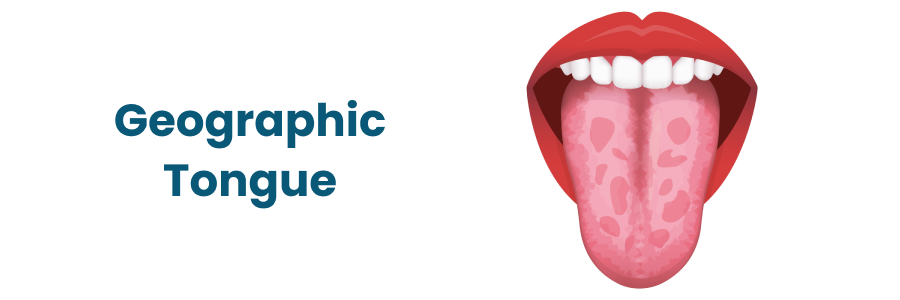
Geographic tongue is characterized by the appearance of smooth, red patches on the tongue, surrounded by white or light-colored borders. These patches can change location, size, and shape over time, resembling a map, hence the name. While the condition is benign and not contagious, it can cause discomfort or sensitivity for some individuals.
Get a second opinion from trusted experts and makeconfident, informed decisions.
Get Second OpinionNot sure where to start?
Talk to a patient care advisor — free, confidential, 24/7. We'll match you to the right specialist and book your appointment in minutes.
Causes of Geographic Tongue
The exact cause of geographic tongue remains unknown, but several factors may contribute to its development.
Genetic Factors
There is evidence suggesting that genetic factors play a role in the occurrence of geographic tongue. Individuals with a family history of the condition are more likely to develop it themselves.
Autoimmune Disorders
Geographic tongue has been associated with autoimmune disorders, such as psoriasis. In some cases, the condition may be an indicator of an underlying autoimmune issue, although this connection is not fully understood.
Environmental Triggers
Certain environmental factors and lifestyle choices can exacerbate the symptoms of geographic tongue. These include stress, hormonal changes, and allergies. Additionally, some individuals may notice flare-ups due to specific foods or beverages.
Symptoms of Geographic Tongue
The symptoms of geographic tongue can vary from person to person. Common symptoms include:
- Smooth, red patches on the tongue with white or light-colored borders
- Changes in the location, size, and shape of these patches over time
- Sensitivity to certain foods, particularly spicy or acidic items
- A burning or tingling sensation on the tongue
Geographic Tongue in Children
While geographic tongue is more commonly observed in adults, children can also be affected by the condition. In children, the symptoms are similar to those seen in adults, and the condition is equally benign. Parents should monitor their child's symptoms and consult a healthcare professional if there are concerns about discomfort or sensitivity.
Geographic Tongue vs. Thrush
It is essential to distinguish between geographic tongue and oral thrush, as the two conditions can appear similar but require different treatments.
Geographic Tongue
- Non-contagious
- Irregular, map-like patches
- No associated fungal infection
Oral Thrush
- Contagious
- White, creamy patches
- Caused by a fungal infection (Candida)
Treatment Options for Geographic Tongue
There is no cure for geographic tongue, but several treatments can help manage the symptoms and improve comfort.
Medical Treatments
Topical Corticosteroids
Topical corticosteroids can reduce inflammation and alleviate discomfort. These medications are applied directly to the affected areas of the tongue.
Anesthetics
Topical anesthetics, such as lidocaine, can provide temporary relief from pain and sensitivity. These medications numb the affected areas, making eating and drinking more comfortable.
Home Remedies
Diet Modifications
Avoiding spicy, acidic, or highly salty foods can help reduce irritation and sensitivity. Opt for a bland diet until symptoms subside.
Oral Hygiene
Maintaining good oral hygiene is crucial for managing geographic tongue. Brush your teeth and tongue gently with a soft-bristled toothbrush and use a mild, alcohol-free mouthwash.
Hydration
Staying well-hydrated can help alleviate symptoms. Drink plenty of water throughout the day to keep your mouth moist.
Natural Remedies
Some individuals find relief from geographic tongue symptoms through natural remedies, although scientific evidence supporting their effectiveness is limited.
Aloe Vera
Aloe vera gel can be applied directly to the affected areas of the tongue to soothe irritation and promote healing.
Coconut Oil Pulling
Swishing coconut oil in the mouth for several minutes (a practice known as oil pulling) may help reduce inflammation and improve oral health.
Geographic Tongue and Autoimmune Disorders
As mentioned earlier, geographic tongue has been linked to autoimmune disorders. Understanding this connection can provide valuable insights into managing the condition.
Psoriasis
Psoriasis is a chronic autoimmune condition that causes rapid skin cell turnover, resulting in red, scaly patches on the skin. Some individuals with psoriasis also develop geographic tongue. Managing psoriasis through medication and lifestyle changes may help alleviate geographic tongue symptoms.
Other Autoimmune Conditions
Other autoimmune conditions, such as rheumatoid arthritis and lupus, have also been associated with geographic tongue. If you have an autoimmune disorder and are experiencing symptoms of geographic tongue, consult your healthcare provider for a comprehensive evaluation and tailored treatment plan.
Your health is everything - prioritize your well-being today.
Schedule Your AppointmentWhen to See a Doctor
While geographic tongue is generally a benign condition, there are instances when you should seek medical advice. Consult a healthcare professional if:
- The patches on your tongue are painful or causing significant discomfort
- You experience difficulty eating or drinking due to sensitivity
- The condition persists for an extended period without improvement
- You have concerns about an underlying autoimmune disorder
Conclusion
Geographic tongue is a benign but often uncomfortable condition that affects the surface of the tongue. Understanding its causes, symptoms, and treatment options can help individuals manage their symptoms effectively. While there is no cure, various medical treatments, home remedies, and lifestyle modifications can provide relief and improve quality of life.
Frequently Asked Questions
Geographic tongue may be caused by stress, hormonal changes, or deficiencies.
Treatment focuses on managing discomfort with anti-inflammatory medication and oral rinses.
Irregular, smooth, red patches on the tongue are common symptoms.
Yes, rinsing with salt water and avoiding spicy foods can help.
No, they are different conditions, but both cause changes in the tongue.
- Cardiology
- Case Studies
- Dermatology
- Endocrinology
- ENT
- Fertility
- Gastroenterology
- General
- General-Medicine
- Gynecology
- Hematology
- Infectious-Diseases
- Medical News
- Neurology
- Oncology
- Ophthalmology
- Orthopedics
- Pediatrics
- Procedure
- Public-Health
- Pulmonology
- Radiology
- Second Opinion
- Urology
- Wellness
- Woman-and-child
Related Blogs
Still have questions? Speak with our experts now!
040-68334455


