 Call
Call Patient Reports
- Cardiology 84
- Dermatology 45
- Endocrinology 33
- ENT 16
- Fertility 190
- Gastroenterology 78
- General-Medicine 81
- Gynecology 80
- Hematology 19
- Infectious-Diseases 33
- Neurology 52
- Oncology 34
- Ophthalmology 23
- Orthopedics 69
- Pediatrics 31
- Procedure 23
- Public-Health 144
- Pulmonology 59
- Radiology 8
- Urology 68
- Wellness 161
- Woman-and-child 77
- 3759
- 3.5 Minute
Effective Strategies for Managing Gastroparesis
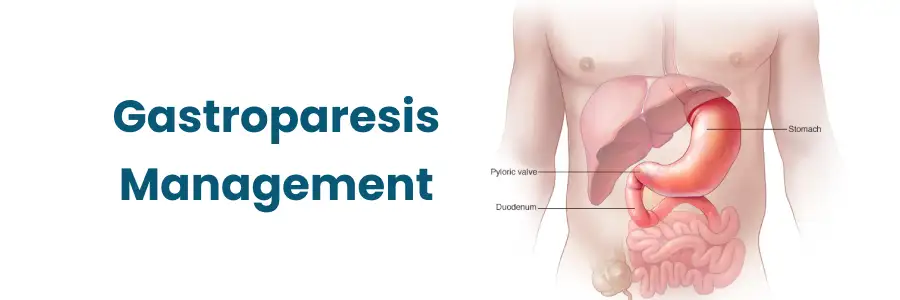
Gastroparesis is a chronic condition characterized by delayed gastric emptying, which can lead to various symptoms, such as nausea, vomiting, and abdominal pain. Effectively managing this condition requires a comprehensive approach that includes dietary changes, medications, and ongoing monitoring. This article outlines several key strategies for managing gastroparesis.
Dietary Changes for Gastroparesis
Dietary modifications are often the first line of defense in managing gastroparesis. Consuming smaller, more frequent meals can help ease the burden on the stomach. Additionally, opting for low-fat and low-fiber foods can facilitate easier digestion. Liquids and pureed foods are generally easier to tolerate and may help maintain nutritional intake without exacerbating symptoms.
Get a second opinion from trusted experts and makeconfident, informed decisions.
Get Second OpinionNot sure where to start?
Talk to a patient care advisor — free, confidential, 24/7. We'll match you to the right specialist and book your appointment in minutes.
Medications for Gastroparesis
Medications can play a crucial role in managing gastroparesis symptoms. Prokinetic agents such as metoclopramide and erythromycin are commonly prescribed to help stimulate gastric motility. Antiemetic medications may also be used to control nausea and vomiting. It's essential to consult with a healthcare provider at Medicover Hospital in Begumpet to tailor the medication regimen to individual needs.
Monitoring Gastroparesis
Regular monitoring is vital for effective gastroparesis management. This includes keeping track of symptoms, dietary intake, and blood sugar levels. Since gastroparesis can complicate blood sugar control, particularly for individuals with diabetes, continuous glucose monitoring systems (CGMs) can be beneficial. These systems provide real-time data and help in making informed decisions regarding diet and medication.
Supportive Care for Gastroparesis
Supportive care is an integral part of managing gastroparesis. This can include nutritional counseling, psychological support, and physical therapy. Nutritional counseling helps in designing a diet plan that meets individual needs, while psychological support can assist in coping with the chronic nature of the condition. Physical therapy may also be beneficial in enhancing overall well-being.
Preventing Gastroparesis Complications
Preventing complications is another critical aspect of gastroparesis management. Dehydration and malnutrition are common concerns that need to be addressed proactively. Ensuring adequate fluid intake and using nutritional supplements can help mitigate these risks. Additionally, regular medical check-ups at Medicover Hospital in Begumpet are essential for early detection and management of potential complications.
Gastroparesis and Blood Sugar Control
Adequate blood sugar control is paramount, especially for individuals with diabetes. Gastroparesis can cause unpredictable blood sugar levels, making management more challenging. Working closely with a healthcare provider at Medicover Hospital in Begumpet to adjust insulin or other diabetes medications can help maintain better control. Incorporating a balanced diet and regular monitoring further supports blood sugar management.
Your health is everything - prioritize your well-being today.
Schedule Your AppointmentConclusion
Managing gastroparesis effectively requires a multifaceted approach that includes dietary changes, medication, supportive care, and continuous monitoring. By adopting these strategies, individuals can better manage their symptoms and improve their overall quality of life. Always consult with healthcare providers at Medicover Hospital in Begumpet to tailor these strategies to your specific needs and circumstances.
Frequently Asked Questions
You may need to undergo imaging tests and possibly provide a sample of food or drink to track how quickly it leaves your stomach. The process is designed to evaluate stomach function and identify any problems.
Treatment options include dietary changes, medications to help with digestion and control nausea, and in some cases, procedures like gastric electrical stimulation or feeding tubes.
Eating smaller, more frequent meals that are low in fat and fiber can help ease symptoms. Your diet may be adjusted to include easily digestible foods and avoid those that slow stomach emptying.
Gastric electrical stimulation involves implanting a device that sends electrical impulses to the stomach to help improve its function and relieve symptoms. It’s usually considered for severe cases that don’t respond to other treatments.
A feeding tube may be needed if you are unable to maintain adequate nutrition due to severe gastroparesis. This is typically a last resort when other treatments are ineffective.
- Cardiology
- Case Studies
- Dermatology
- Endocrinology
- ENT
- Fertility
- Gastroenterology
- General
- General-Medicine
- Gynecology
- Hematology
- Infectious-Diseases
- Medical News
- Neurology
- Oncology
- Ophthalmology
- Orthopedics
- Pediatrics
- Procedure
- Public-Health
- Pulmonology
- Radiology
- Second Opinion
- Urology
- Wellness
- Woman-and-child
Related Blogs
Still have questions? Speak with our experts now!
040-68334455


