 Call
Call Patient Reports
- Cardiology 84
- Dermatology 45
- Endocrinology 33
- ENT 16
- Fertility 190
- Gastroenterology 78
- General-Medicine 81
- Gynecology 80
- Hematology 19
- Infectious-Diseases 33
- Neurology 52
- Oncology 34
- Ophthalmology 23
- Orthopedics 69
- Pediatrics 31
- Procedure 23
- Public-Health 144
- Pulmonology 59
- Radiology 8
- Urology 68
- Wellness 161
- Woman-and-child 77
- 3759
- 3.5 Minute
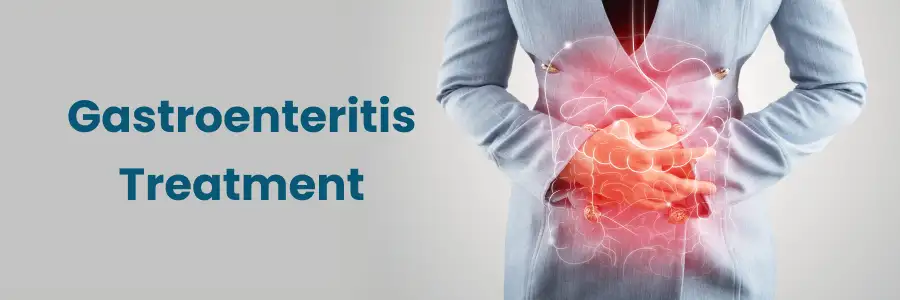
Effective Gastroenteritis Treatment at Medicover, Begumpet
Gastroenteritis, commonly known as stomach flu, is an inflammation of the stomach and intestines often caused by viral or bacterial infections. This condition can lead to symptoms such as diarrhea, vomiting, abdominal pain, and fever. Proper treatment is essential to manage symptoms and prevent complications. This guide delves into the effective therapies for gastroenteritis, including hydration, dietary recommendations, medications, and supportive care, as advised by Medicover Hospital in Begumpet.
Get a second opinion from trusted experts and makeconfident, informed decisions.
Get Second OpinionNot sure where to start?
Talk to a patient care advisor — free, confidential, 24/7. We'll match you to the right specialist and book your appointment in minutes.
Understanding Gastroenteritis
Causes and Symptoms
Gastroenteritis can be triggered by various pathogens, including viruses (like norovirus and rotavirus), bacteria (such as E. coli and Salmonella), and parasites. Common symptoms include:
- Diarrhea
- Vomiting
- Abdominal cramps
- Fever
- Dehydration
Diagnosis and Management
Diagnosis typically involves a thorough clinical evaluation and, in some cases, stool tests to identify the causative agent. Management at Medicover Hospital in Begumpet focuses on symptomatic relief and preventing dehydration.
Hydration and Gastroenteritis
Importance of Hydration
Hydration is crucial in the management of gastroenteritis. Dehydration, resulting from excessive fluid loss through diarrhea and vomiting, can lead to severe complications, especially in children and older adults.
Oral Rehydration Solutions (ORS)
Oral rehydration solutions are specifically formulated to replenish lost fluids and electrolytes. These solutions contain the right balance of salts, sugars, and minerals to facilitate absorption in the intestines. Medicover Hospital in Begumpet provides guidance on the appropriate use of ORS for effective hydration.
Homemade Hydration Solutions
In the absence of commercial ORS, a homemade solution can be prepared using clean water, salt, and sugar. The World Health Organization recommends the following recipe:
- 1 litre of clean water
- Six teaspoons of sugar
- 1/2 teaspoon of salt
- Mix until the sugar and salt are fully dissolved.
Dietary Recommendations for Gastroenteritis
Initial Dietary Modifications
During the acute phase of gastroenteritis, it's essential to adjust the diet to reduce the workload on the digestive system. The BRAT diet (bananas, rice, applesauce, and toast) is often recommended due to its bland nature and ease of digestion.
Gradual Reintroduction of Foods
As symptoms improve, gradually reintroduce more complex foods. Start with easily digestible items such as boiled potatoes, plain pasta, and skinless chicken. Avoid fatty, spicy, or dairy-rich foods initially, as they can exacerbate symptoms.
Hydration Through Diet
To aid in hydration, incorporate foods with high water content, such as soups, broths, and fruits like watermelon and oranges.
Supportive Care for Gastroenteritis
Rest and Recovery
Adequate rest is vital for recovery. Encourage patients to stay in a comfortable environment and avoid strenuous activities.
Good Hygiene Practices
Practising good hygiene is essential to prevent the spread of gastroenteritis. This includes regular hand washing with soap and water, especially after using the restroom and before eating.
Managing Fever and Pain
Over-the-counter medications like acetaminophen or ibuprofen can help manage fever and abdominal pain. It's essential to follow dosing instructions and consult a healthcare provider if symptoms persist or worsen.
Medications for Gastroenteritis
Antidiarrheal Medications
Medications such as loperamide can reduce the frequency of diarrhea. However, they should be used with caution and under medical supervision, particularly in cases of bacterial gastroenteritis, as they can potentially prolong the infection.
Antiemetic Medications
Antiemetics, like ondansetron, can be prescribed to control severe vomiting. These medications help prevent dehydration and allow for oral rehydration.
Antibiotics and Antiparasitics
Antibiotics may be necessary for bacterial gastroenteritis, while antiparasitic medications are used for parasitic infections. These treatments should be prescribed based on the specific pathogen identified through diagnostic tests.
Gastroenteritis in Children
Special Considerations for Pediatric Patients
Children are particularly vulnerable to dehydration due to their smaller body size and higher metabolic rates. Pediatric gastroenteritis requires careful monitoring and prompt treatment to prevent severe dehydration.
Pediatric Hydration Strategies
Oral rehydration solutions (ORS) are the first line of treatment for children. In severe cases, intravenous fluids may be necessary. To prevent vomiting, encourage small, frequent sips rather than large volumes of ORS.
Dietary Adjustments for Children
As soon as vomiting subsides, resume feeding with age-appropriate, easily digestible foods. Breastfeeding should continue during gastroenteritis episodes, as breast milk can provide essential nutrients and antibodies.
Your health is everything - prioritize your well-being today.
Schedule Your AppointmentPreventing Gastroenteritis
Hygiene and Sanitation
Preventing gastroenteritis involves maintaining good hygiene practices, such as regular hand washing, sanitizing surfaces, and using clean water sources. These practices are crucial in both home and community settings.
Vaccinations
Certain causes of gastroenteritis, such as rotavirus, can be vaccinated. Immunization can significantly reduce the incidence and severity of gastroenteritis in children.
Food Safety Measures
Implementing food safety measures, such as proper cooking, storage, and handling, can prevent bacterial gastroenteritis. Avoiding raw or undercooked foods and ensuring clean preparation surfaces are essential steps.
Conclusion
Effective treatment of gastroenteritis revolves around hydration, appropriate dietary measures, supportive care, and, when necessary, medications. Early intervention and adherence to recommended practices can mitigate the severity of symptoms and prevent complications. By understanding the causes, symptoms, and management strategies, individuals can better navigate gastroenteritis episodes and support their recovery, with comprehensive care available at Medicover Hospital in Begumpet.
Frequently Asked Questions
Treatment focuses on hydration, rest, and symptom management. In some cases, medications may be prescribed to treat the underlying infection or manage severe symptoms.
Hydration is crucial as gastroenteritis can cause significant fluid loss through vomiting and diarrhea. Oral rehydration solutions or intravenous fluids may be used to prevent dehydration.
Stick to bland, easy-to-digest foods like toast, rice, and bananas. Avoid spicy, fatty, or dairy foods, and stay hydrated with clear fluids.
Most people recover within a few days to a week. However, recovery time can vary based on the cause of the infection and the severity of symptoms.
Seek follow-up care if symptoms persist beyond a few days, worsen, or if you experience severe dehydration or complications.
- Cardiology
- Case Studies
- Dermatology
- Endocrinology
- ENT
- Fertility
- Gastroenterology
- General
- General-Medicine
- Gynecology
- Hematology
- Infectious-Diseases
- Medical News
- Neurology
- Oncology
- Ophthalmology
- Orthopedics
- Pediatrics
- Procedure
- Public-Health
- Pulmonology
- Radiology
- Second Opinion
- Urology
- Wellness
- Woman-and-child
Related Blogs
Still have questions? Speak with our experts now!
040-68334455


