 Call
Call Patient Reports
- Cardiology 84
- Dermatology 45
- Endocrinology 33
- ENT 16
- Fertility 190
- Gastroenterology 78
- General-Medicine 81
- Gynecology 80
- Hematology 19
- Infectious-Diseases 33
- Neurology 52
- Oncology 34
- Ophthalmology 23
- Orthopedics 69
- Pediatrics 31
- Procedure 23
- Public-Health 144
- Pulmonology 59
- Radiology 8
- Urology 68
- Wellness 161
- Woman-and-child 77
- 3759
- 3.5 Minute
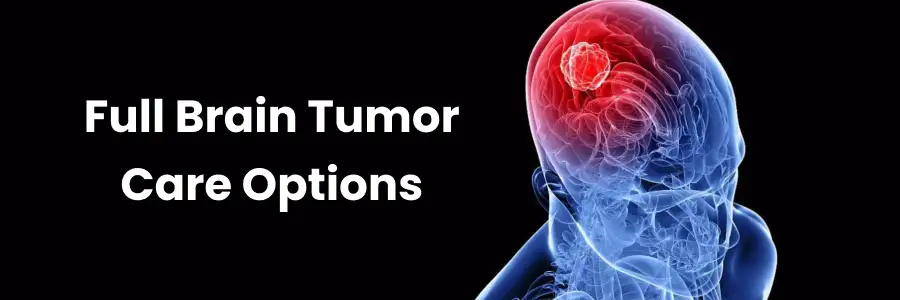
Full Brain Tumor Care Options
Brain tumours are a medical issue of great concern where multiple therapies may be needed to provide holistic care. If you or someone in your family has been diagnosed, it is important to know what some of the available options are. The article will cover nearly every aspect of comprehensive care available to brain tumour patients, ranging from diagnosis through standard treatment (surgery/ radiation) vs. novel targeted therapy and supportive measures in the 21st-century landscape.
Get a second opinion from trusted experts and makeconfident, informed decisions.
Get Second OpinionNot sure where to start?
Talk to a patient care advisor — free, confidential, 24/7. We'll match you to the right specialist and book your appointment in minutes.
Understanding Brain Tumors
A brain tumour is abnormal cell growth in the part of a person's head called the skull. These tumours may be benign (not cancer) or malignant (cancer). The earlier cancer can be detected and treated, the better your chances of living a longer life.
Types of Brain Tumors
Brain tumours have two main types: Primary and Secondary. A primary brain tumour originates in the brain, and a secondary or metastatic brain tumour is caused by cancer that has spread from another part of the body.
Gliomas, meningiomas, and pituitary tumours are the most common types of primary brain tumours. The nature of the tumour significantly influences the treatment strategy chosen.
Diagnosis and Initial Assessment
Of course, diagnosis is the first step in managing a brain tumour. Several diagnostic tools and methods can be used to detect and assess brain tumours.
Imaging Studies
Often, MRIs and CT scans are also used to see the tumour on imaging. Imaging studies can show detailed pictures of the brain, and they help doctors to figure out what size, where it is located and which type of tumour.
Biopsy
A biopsy is the removal of a small amount (sample) of tissue for examination using a microscope. This tells your doctor whether or not cancer is present and provides important details such as the tumour grade and aggressiveness.
Neurological Exams
They test and evaluate the function of your brain, which helps determine what parts are being affected by the tumour. These may range from reflexes and muscle strength to coordination and cognitive tests.
Brain Tumor Treatment Options
Brain tumour treatment is often a multispecialty approach, with each patient potentially needing different therapies depending on the specific presentation. The following are the most common ways of treating a brain tumour.
Surgery
Surgical resection is a standard treatment for brain tumours. The purpose of the surgery is to excise as much of the brain tumour while leaving unaffected healthy cells. Leading-edge surgical technology, such as neuronavigation and awake brain surgery, improves accuracy with the protection of the patient.
Radiation Therapy
Radiation therapy uses high-energy beams to kill or damage tumor cells. It is a very well-known approach used post-surgery to kill any leftover cancer cells. Radiation therapy, ranging from external beam radiation to stereotactic radiosurgery, has more specific, unique benefits.
Chemotherapy
Chemotherapy involves using drugs to kill or slow cancer cells. It may be given either orally or intravenously and is frequently combined with other treatments.
Targeted Therapy
Targeted therapy targets specific molecules or pathways involved in cancer growth. This treatment targets those factors and can disrupt the tumour's process of growing and spreading. Sometimes, targeted therapy is kinder and gentler on the body compared to traditional chemotherapy.
Immunotherapy
Immunotherapy uses the immune system to fight cancer. It includes immune checkpoint inhibitors and CAR-T cell therapy, each of which is medically proven to help the immune system find and kill cancerous cells.
Supportive and Palliative Care
Alongside the management of the disease itself, treating symptoms and side effects is vital to the patient's quality of life. This type of care is called palliative and supportive care.
Symptom Management
Headaches, seizures and cognitive changes are some of the symptoms caused by brain tumours themselves as well as treatments. Managing symptoms may require the use of medications and therapies to relieve these varied effects, which can influence functioning throughout one's day.
Rehabilitation Services
Rehabilitation services like physical therapy, occupational therapy, and speech-language pathology might benefit people with Parkinson's disease. These services help improve the quality of life overall.
Nutritional Support
Proper nutrition is essential for the body to be strong and supportive of healing. Nutritional support could include nutrition consultants and supplementation targeted to individual needs.
Psychological Support
Being diagnosed with a brain tumour is emotionally wreaking news to both an individual and family. Counselling, support groups and other types of psychological care can assist in developing methods for dealing with the emotions linked to having a chronic condition.
Advanced and Experimental Treatments
Advances in the care of patients with brain tumors are ongoing, and new treatments are being developed. Where indicated, patients will potentially benefit from the most advanced and experimental treatments that are only available in clinical trials.
Clinical Trials
Clinical trials allow access to new and developing treatments not otherwise available. They offer patients the newest treatments while pushing medical science.
Personalised Medicine
Personalized medicine refers to treatment that is individually optimized according to the patient's nature, especially of his cancer. Among those new solutions may be testing for genetic markers to determine what mutations are present in the patient's tumour and suggestions on how the next steps might go.
Integrative and Holistic Care
Integrative and holistic care addresses the soul in addition to physical healing. Therefore, these methods can work alongside standard treatments and help enhance one's quality of life.
Complementary Therapies
Acupuncture, massage therapy and yoga are examples of complementary therapies that can manage symptoms and reduce stress. They are mostly used alongside conventional treatments to amplify their therapeutic properties.
Mind-Body Practices
Meditation or other mind-body practices can promote relaxation and emotional well-being. These practices can be some tools useful in helping manage the stress and anxiety that often coincide with being diagnosed with a brain tumour.
Your health is everything - prioritize your well-being today.
Schedule Your AppointmentConclusion
Comprehensive brain tumour management requires high-quality, integrated care incorporating a breadth of medical and non-medical services. Greater awareness of the entire spectrum of brain tumor care options enables patients and their families to be informed decision-makers and gain access to optimal Care for themselves or those they love.
Every detail of brain tumour management counts from diagnosis and treatment to supportive and palliative care, each serving a key role in bettering outcomes and quality of life. Be educated, get help, and rely on your healthcare team to guide you through this journey.
It is listening to your body to determine what approach might work best and then using some common-sense logic to establish a plan of care tailored to fit your unique needs!
Frequently Asked Questions
Full care options include surgery, radiation, chemotherapy, rehabilitation, palliative care, and support services, all coordinated by a multidisciplinary team.
Yes, many hospitals near you offer rehabilitation services, including physical therapy, occupational therapy, and speech therapy to aid recovery.
Palliative care focuses on improving the quality of life by managing symptoms, providing emotional support, and coordinating care.
Yes, some hospitals and private providers offer home care services, including nursing, therapy, and palliative care, for brain tumor patients.
Research medicover hospitals that offer specialized brain tumor programs, including advanced treatments, rehabilitation, and patient support services.
- Cardiology
- Case Studies
- Dermatology
- Endocrinology
- ENT
- Fertility
- Gastroenterology
- General
- General-Medicine
- Gynecology
- Hematology
- Infectious-Diseases
- Medical News
- Neurology
- Oncology
- Ophthalmology
- Orthopedics
- Pediatrics
- Procedure
- Public-Health
- Pulmonology
- Radiology
- Second Opinion
- Urology
- Wellness
- Woman-and-child
Related Blogs
Still have questions? Speak with our experts now!
040-68334455


