 Call
Call Patient Reports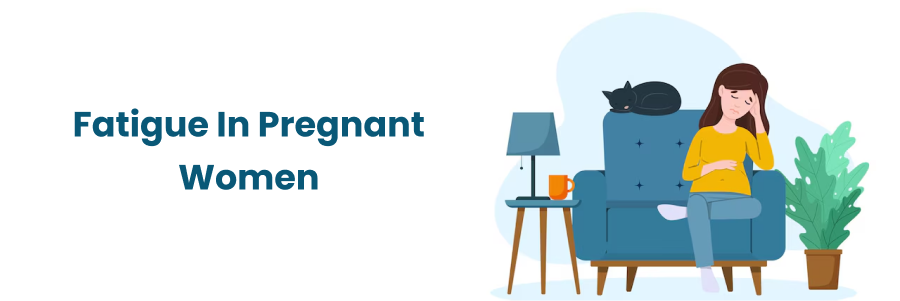
- 3121
- 3.8 Minute
Written by Medicover Team and Medically Reviewed by Dr Amatul Hafsa, Gynecologists
Causes of Fatigue in Pregnant Women: How to Boost Energy Levels
Pregnancy is an exciting time, but it can also be incredibly tiring. Many pregnant women experience fatigue, especially during the first and third trimesters. Understanding the causes of fatigue in pregnant women and how to boost your energy levels can make a big difference in how you feel throughout your pregnancy.
Understanding Fatigue During Pregnancy
Fatigue in pregnant women is a common symptom, but it can be managed with the right strategies. Let's take a closer look at the main causes of pregnant exhaustion and body weakness in pregnant women.
Hormonal Changes
One of the primary reasons for fatigue during pregnancy is the surge in hormones. The body produces more progesterone, which can make you feel sleepy. Additionally, the body is working harder to support the growing fetus, which can also contribute to feelings of exhaustion for a pregnant woman.
Increased Blood Production
During pregnancy, your body produces more blood to supply oxygen and nutrients to the baby. This increased blood production requires more energy, which can leave you feeling tired and lead to weakness during pregnancy.
Emotional Factors
Pregnancy can bring about a range of emotions, from excitement to anxiety. These emotional ups and downs can be draining and contribute to fatigue. It's important to recognize that these feelings are normal and to find ways to manage stress.
Physical Discomfort
As your body changes, you may experience physical discomforts such as back pain, swelling, and difficulty sleeping. These discomforts can make it harder to get a good night's rest, leading to increased tiredness and body weakness in pregnant women during the day.
Get a second opinion from trusted experts and makeconfident, informed decisions.
Get Second OpinionNot sure where to start?
Talk to a patient care advisor — free, confidential, 24/7. We'll match you to the right specialist and book your appointment in minutes.
Tips for Boosting Energy Levels During Pregnancy
While pregnant exhaustion is normal, there are several strategies you can use to boost your energy levels and feel more energized throughout the day.
Prioritize Sleep
Getting enough rest is crucial during pregnancy. Aim for 7-9 hours of sleep each night and try to maintain a consistent sleep schedule. If you're having trouble sleeping, consider using a pregnancy pillow to support your body and make you more comfortable. Additionally, try to create a relaxing bedtime routine to help signal to your body that it's time to wind down.
Eat a Balanced Diet
Eating a healthy, balanced diet can help you maintain your energy levels. Focus on consuming a variety of fruits, vegetables, whole grains, and lean proteins. Foods rich in iron, such as spinach and lean meats, can help prevent anemia, a common cause of weakness during pregnancy. Additionally, make sure to stay hydrated by drinking plenty of water throughout the day.
Exercise Regularly
Regular exercise can help boost your energy levels and improve your mood. Aim for at least 30 minutes of moderate exercise most days of the week. Activities such as walking, swimming, and prenatal yoga are great options for pregnant women. Always consult your healthcare provider before starting any new exercise routine.
Take Breaks and Rest
It's important to listen to your body and take breaks when needed. If you're feeling tired, don't hesitate to rest or take a short nap. Short breaks throughout the day can help you recharge and reduce fatigue in pregnant women.
Manage Stress
Managing stress is essential for maintaining your energy levels during pregnancy. Consider practicing relaxation techniques such as deep breathing, meditation, or prenatal yoga. Additionally, don't be afraid to ask for help from friends, family, or your partner if you're feeling overwhelmed.
Avoid Caffeine
While it may be tempting to reach for a cup of coffee to boost your energy, it's best to limit your caffeine intake during pregnancy. High levels of caffeine can be harmful to your baby. Instead, opt for natural energy boosters such as a brisk walk, a healthy snack, or a glass of water.
Safe Energy Boosters During Pregnancy
There are several safe and natural ways to boost your energy levels during pregnancy. Here are a few options to consider:
Healthy Snacks
Eating small, frequent meals and snacks throughout the day can help keep your energy levels stable. Choose snacks that are rich in protein and fiber, such as nuts, yogurt, and whole-grain crackers.
Prenatal Vitamins
Taking prenatal vitamins can help ensure that you're getting the nutrients you need to support your energy levels and overall health. Be sure to follow your healthcare provider's recommendations regarding prenatal vitamins.
Stay Active
Engaging in regular physical activity can help boost your energy levels and improve your overall well-being. Activities such as walking, swimming, and prenatal yoga can help keep you active and reduce pregnant exhaustion.
When to Seek Help
While fatigue in pregnant women is common, extreme or persistent tiredness may be a sign of an underlying issue. If you're experiencing severe exhaustion for a pregnant woman that doesn't improve with rest, it's important to speak with your healthcare provider. They can help determine if there are any medical conditions, such as anemia or thyroid issues, that may be contributing to your fatigue.
Your health is everything - prioritize your well-being today.
Schedule Your AppointmentConclusion
Fatigue in pregnant women is a normal part of pregnancy, but it doesn't have to take over your life. By understanding the causes of pregnant exhaustion and body weakness in pregnant women and implementing strategies to boost your energy levels, you can feel more energized and enjoy this special time in your life. Remember to prioritize sleep, eat a balanced diet, exercise regularly, and manage stress to keep your energy levels up. If you're experiencing severe or persistent fatigue, don't hesitate to reach out to your healthcare provider for guidance and support.
Frequently Asked Questions
Fatigue is most common in the first and third trimesters. It usually eases during the second trimester but may return in the final months as the body prepares for labor.
While fatigue is normal, extreme tiredness can sometimes indicate conditions like anemia, thyroid issues, or gestational diabetes. It’s important to consult a doctor if fatigue is persistent and severe.
Yes, dehydration can worsen fatigue. Pregnant women need more fluids to support increased blood volume and fetal health. Drinking enough water throughout the day can help boost energy.
Yes, especially if the fatigue is due to iron or folate deficiency. Prenatal vitamins help replenish essential nutrients, improving overall energy levels.
Short naps (15–30 minutes) can be very beneficial and help combat fatigue, especially in the first trimester. However, excessive daytime sleep may interfere with nighttime rest.
Absolutely. Medicover Hospitals offers comprehensive prenatal care, including expert gynecologists and obstetricians who help manage fatigue, nutrition, and other symptoms throughout pregnancy.
- Cardiology
- Case Studies
- Dermatology
- Endocrinology
- ENT
- Fertility
- Gastroenterology
- General
- General-Medicine
- Gynecology
- Hematology
- Infectious-Diseases
- Medical News
- Neurology
- Oncology
- Ophthalmology
- Orthopedics
- Pediatrics
- Procedure
- Public-Health
- Pulmonology
- Radiology
- Second Opinion
- Urology
- Wellness
- Woman-and-child
Related Blogs
Still have questions? Speak with our experts now!
040-68334455


