 Call
Call Patient Reports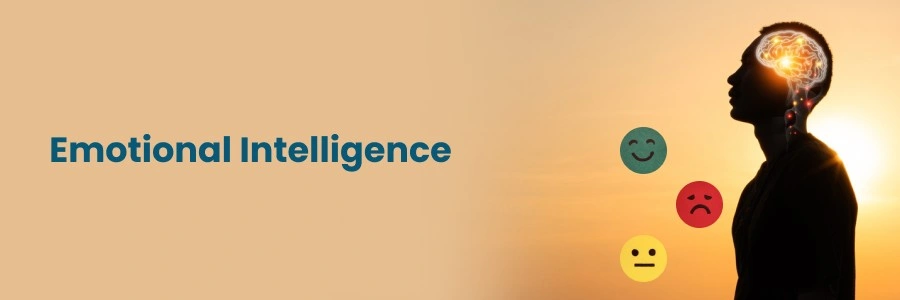
- 3759
- 3.5 Minute
The Power of Emotional Intelligence on Mental Health
Do you often find yourself struggling to manage your emotions effectively? Does this impact your relationships, work performance, or overall well-being? Understanding Emotional Intelligence can be pivotal in navigating these challenges and improving your mental health.
Get a second opinion from trusted experts and makeconfident, informed decisions.
Get Second OpinionNot sure where to start?
Talk to a patient care advisor — free, confidential, 24/7. We'll match you to the right specialist and book your appointment in minutes.
What is Emotional Intelligence?
Emotional Intelligence, commonly referred to as EI, is the ability to recognize, understand, and manage our own emotions, as well as perceive, interpret, and respond to the emotions of others. It involves a set of skills that play a crucial role in how we navigate social interactions, handle stress, make decisions, and cope with challenges.
There are five key elements of Emotional Intelligence:
- Self-awareness: the ability to recognize and understand your own emotions.
- Self-regulation: managing and adapting your emotions in different situations.
- Empathy: recognizing and understanding the emotions of others.
- Social skills: effectively managing relationships and interactions with others.
- Emotional motivation: using emotions to guide behavior and achieve goals.
How Does Emotional Intelligence Impact Stress Management?
Individuals with high Emotional Intelligence are better equipped to handle stress and prevent it from overwhelming them. By being aware of their emotions and knowing how to regulate them, they can effectively cope with stressful situations and maintain a sense of balance. Here's how Emotional Intelligence contributes to stress management:
- Self-awareness helps in recognizing stress triggers and early signs of stress.
- Self-regulation enables individuals to control their reactions and manage stress effectively.
- Empathy allows for better understanding of others' perspectives, reducing interpersonal stress.
- Social skills aid in seeking support from others and building a strong support network.
The Connection Between Emotional Intelligence and Mental Well-being
Emotional Intelligence plays a crucial role in promoting mental well-being by enhancing resilience, improving relationships, and fostering self-awareness. Individuals with high EI are better able to navigate the complexities of their emotions and maintain positive mental health. Here are some ways Emotional Intelligence influences mental well-being:
- Improved self-esteem and confidence leading to better mental health outcomes.
- Effective communication and conflict resolution skills for healthier relationships.
- Increased ability to cope with setbacks and bounce back from challenges.
Utilizing Emotional Intelligence for Anxiety Relief
anxiety can be debilitating, but Emotional Intelligence can serve as a powerful tool in managing and alleviating anxiety symptoms. By developing EI skills, individuals can gain better control over their emotions and reduce anxiety levels. Here's how Emotional Intelligence can aid in anxiety relief:
- Practicing mindfulness and emotional regulation techniques to calm anxious thoughts.
- Enhancing self-awareness to identify triggers and patterns associated with anxiety.
- Using empathy to understand the root causes of anxiety and address them effectively.
Strategies for Improving Emotional Intelligence
While some individuals may naturally possess high Emotional Intelligence, it is a skill that can be developed and enhanced over time with practice and dedication. Here are some strategies to improve your Emotional Intelligence:
- Practice active listening to understand others' perspectives and emotions better.
- Engage in self-reflection to increase self-awareness and identify areas for growth.
- Seek feedback from others to gain insights into how your emotions impact them.
Emotional Intelligence for Effective Emotional Regulation
Emotional regulation is the ability to manage and respond to emotions in a healthy and constructive manner. Emotional Intelligence plays a vital role in enhancing emotional regulation skills, allowing individuals to navigate challenging situations with composure and clarity. Here's how Emotional Intelligence contributes to effective emotional regulation:
- Recognizing and labeling emotions to understand their impact on behavior.
- Developing coping strategies to regulate emotions during stressful moments.
- Building resilience to bounce back from emotional setbacks and maintain stability.
Your health is everything - prioritize your well-being today.
Schedule Your AppointmentIn Conclusion
Emotional Intelligence is not just about understanding emotions; it is about harnessing them to lead a more fulfilling and balanced life. By enhancing your EI skills, you can improve your mental health, manage stress effectively, and cultivate stronger relationships. Investing in your Emotional Intelligence is investing in your overall well-being.
Frequently Asked Questions
Emotional intelligence boosts mental health by improving stress management, resilience, and relationships, reducing anxiety and depression risk.
Emotional health shapes mental health—positive emotions enhance mood and coping, while poor emotional regulation increases stress and disorders.
The 5 Cs of EI are Consciousness (self-awareness), Compassion (empathy), Clarity (understanding), Confidence (self-regulation), and Connection (social skills).
EI impacts life by enhancing communication, decision-making, and stress coping, while low EI may lead to conflicts and emotional distress.
Positive EI impact includes better mental well-being, stronger relationships, higher work success, and lower rates of burnout or mood disorders.
- Cardiology
- Case Studies
- Dermatology
- Endocrinology
- ENT
- Fertility
- Gastroenterology
- General
- General-Medicine
- Gynecology
- Hematology
- Infectious-Diseases
- Medical News
- Neurology
- Oncology
- Ophthalmology
- Orthopedics
- Pediatrics
- Procedure
- Public-Health
- Pulmonology
- Radiology
- Second Opinion
- Urology
- Wellness
- Woman-and-child
Related Blogs
Still have questions? Speak with our experts now!
040-68334455


