 Call
Call Patient Reports
- Cardiology 84
- Dermatology 45
- Endocrinology 33
- ENT 16
- Fertility 190
- Gastroenterology 78
- General-Medicine 81
- Gynecology 80
- Hematology 19
- Infectious-Diseases 33
- Neurology 52
- Oncology 34
- Ophthalmology 23
- Orthopedics 69
- Pediatrics 31
- Procedure 23
- Public-Health 144
- Pulmonology 59
- Radiology 8
- Urology 68
- Wellness 161
- Woman-and-child 77
- 3996
- 3.7 Minute
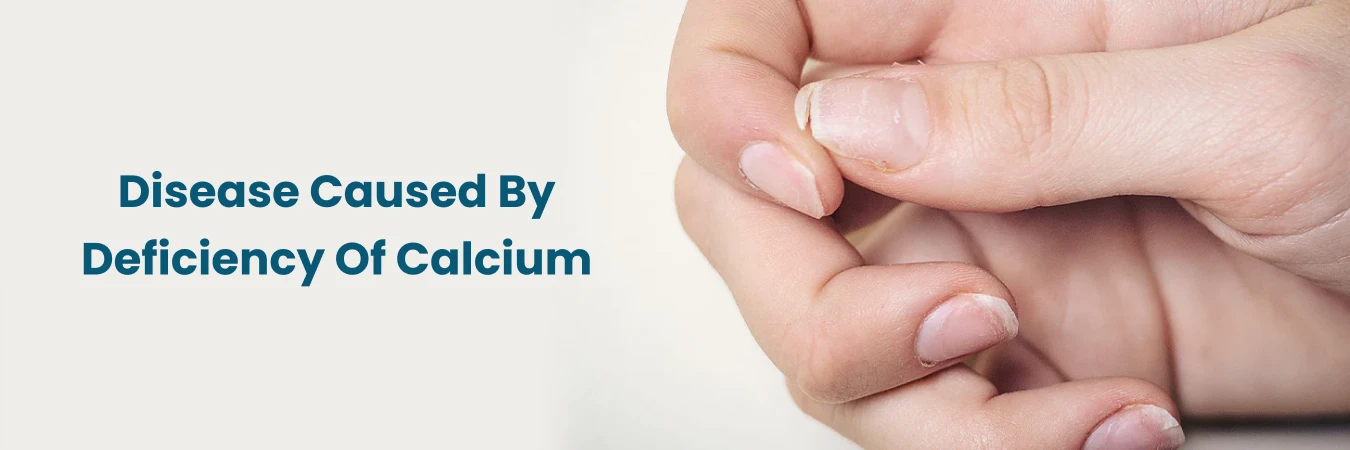
Disease Caused by Deficiency of Calcium
Calcium is an essential mineral that plays a vital role in various physiological processes, including bone formation, muscle function, and nerve transmission. A deficiency in calcium can lead to several severe health conditions, primarily affecting the bones and muscles. This article will delve into the diseases caused by calcium deficiency, their symptoms, and potential treatments.
Get a second opinion from trusted experts and makeconfident, informed decisions.
Get Second OpinionNot sure where to start?
Talk to a patient care advisor — free, confidential, 24/7. We'll match you to the right specialist and book your appointment in minutes.
The Importance of Calcium in the Human Body
Calcium is the most abundant mineral in the human body, with 99% stored in the bones and teeth. It is crucial for:
- Bone and teeth formation
- Blood clotting
- Muscle contraction
- Nerve transmission
- Hormonal secretion
A lack of calcium can disrupt these critical functions, leading to a range of health issues.
Conditions Caused by Low Calcium
Osteoporosis
Osteoporosis is a condition characterized by weak and brittle bones, making them more susceptible to fractures. It is often referred to as a "silent disease" because it progresses without obvious symptoms until a fracture occurs. The main factors contributing to osteoporosis include age, gender, genetics, and calcium deficiency.
Symptoms of Osteoporosis
- Frequent bone fractures
- Back pain caused by fractured or collapsed vertebrae
- Loss of height over time
- Stooped posture
Treatment and Prevention
Treatment for osteoporosis typically includes medications that slow bone loss and increase bone density, such as bisphosphonates. Additionally, ensuring adequate calcium and vitamin D intake, engaging in regular weight-bearing exercise, and avoiding smoking and excessive alcohol can help prevent osteoporosis.
Rickets
Rickets is a condition that affects children, causing their bones to become soft and weak. A prolonged deficiency of vitamin D, calcium, or phosphate primarily causes it. While rickets are rare in developed countries, they can still occur in populations with limited access to these essential nutrients.
Symptoms of Rickets
- Delayed growth
- Pain in the spine, pelvis, and legs
- Muscle weakness
- Skeletal deformities, such as bowed legs or thickened wrists and ankles
Treatment and Prevention
The treatment for rickets involves supplementing the deficient nutrient—calcium, vitamin D, or phosphate. Ensuring children receive adequate sun exposure, consuming a balanced diet rich in these nutrients, and taking supplements if necessary can help prevent rickets.
Osteomalacia
Osteomalacia is the adult counterpart of rickets. It is characterized by the softening of bones due to a deficiency of vitamin D or calcium. It increases the risk of fractures and bone pain.
Symptoms of Osteomalacia
- Bone pain, particularly in the hips
- Muscle weakness
- Difficulty walking or climbing stairs
- Frequent bone fractures
Treatment and Prevention
Treatment for osteomalacia involves addressing the underlying cause of the deficiency. This typically includes vitamin D and calcium supplementation, along with dietary changes to ensure adequate intake of these nutrients. Regular sun exposure is also crucial for the body's natural production of vitamin D.
Calcium Deficiency Health Issues
Hypocalcemia
Hypocalcemia refers to low calcium levels in the blood. It can result from various factors, including poor dietary intake, malabsorption, certain medications, and underlying medical conditions.
Symptoms of Hypocalcemia
- Numbness and tingling in the fingers and toes
- Muscle cramps and spasms
- Seizures
- Abnormal heart rhythms
- Mental confusion and irritability
Treatment and Prevention
Treating hypocalcemia involves addressing the underlying cause and replenishing calcium levels through dietary changes, supplements, or intravenous calcium in severe cases. Regular monitoring and managing any contributing medical conditions are also essential.
Tetany
Tetany is a condition characterized by involuntary muscle contractions, often caused by hypocalcemia. It can result in severe muscle cramps and spasms, particularly in the hands and feet.
Symptoms of Tetany
- Muscle cramps and spasms
- Numbness and tingling in the extremities
- Difficulty breathing due to muscle spasms in the throat
- Seizures
Treatment and Prevention
The treatment for tetany involves correcting the underlying calcium deficiency through supplements or intravenous calcium. It is also crucial to manage any contributing conditions, such as hypoparathyroidism.
Risk Factors for Calcium Deficiency
Several factors can increase the risk of developing calcium deficiency and related health issues:
- Age: Older adults are more susceptible to calcium deficiency due to decreased absorption and changes in bone metabolism.
- Gender: Postmenopausal women are at higher risk due to hormonal changes that affect calcium metabolism.
- Diet: A diet low in calcium-rich foods, such as dairy products, leafy greens, and fortified foods, can lead to deficiency.
- Medical Conditions: Conditions such as celiac disease, Crohn's disease, and chronic kidney disease can impair calcium absorption.
- Medications: Certain medications, such as corticosteroids and anticonvulsants, can affect calcium metabolism.
Ensuring Adequate Calcium Intake
Dietary Sources of Calcium
Incorporating calcium-rich foods into your diet is crucial for preventing deficiency. Some excellent sources of calcium include:
- Dairy products: milk, cheese, yogurt
- Leafy green vegetables: kale, broccoli, collard greens
- Fortified foods: orange juice, cereals, plant-based milk alternatives
- Fish with edible bones: sardines, salmon
Calcium Supplements
Supplements can be an effective way to ensure adequate calcium intake for individuals who struggle to meet their calcium needs through diet alone. It is essential to choose the right type and dosage of calcium supplements, as excessive calcium intake can lead to kidney stones and other health issues. Consulting with a healthcare provider is recommended before starting any supplementation regimen.
Vitamin D and Calcium Absorption
Vitamin D plays a crucial role in calcium absorption. Ensuring adequate vitamin D levels through sun exposure, diet, and supplements can significantly impact calcium metabolism and overall bone health.
Conclusion
Calcium deficiency can lead to several severe health conditions, primarily affecting the bones and muscles. Understanding the importance of calcium in the human body and recognizing the symptoms of deficiency-related diseases is crucial for prevention and treatment. By ensuring adequate calcium intake through diet, supplements, and lifestyle changes, individuals can maintain strong bones and overall health. If you suspect you may have a calcium deficiency, consult with a healthcare provider for proper diagnosis and treatment.
Your health is everything - prioritize your well-being today.
Schedule Your AppointmentFrequently Asked Questions
Rickets is a disease in children caused by a severe deficiency of calcium (and often vitamin D), leading to weakened bones, bone pain, and deformities.
Osteomalacia is the adult form of rickets, characterized by the softening and weakening of bones due to inadequate calcium (and vitamin D) levels.
Tetany is a condition caused by severe calcium deficiency, characterized by muscle cramps, spasms, and tremors due to the irregular function of nerves and muscles.
Hypocalcemia refers to abnormally low levels of calcium in the blood, which can cause symptoms like numbness, tingling, muscle cramps, and in severe cases, seizures.
Calcium deficiency can lead to heart problems like irregular heartbeats (arrhythmias), palpitations, and, in extreme cases, cardiac arrest.
- Cardiology
- Case Studies
- Dermatology
- Endocrinology
- ENT
- Fertility
- Gastroenterology
- General
- General-Medicine
- Gynecology
- Hematology
- Infectious-Diseases
- Medical News
- Neurology
- Oncology
- Ophthalmology
- Orthopedics
- Pediatrics
- Procedure
- Public-Health
- Pulmonology
- Radiology
- Second Opinion
- Urology
- Wellness
- Woman-and-child
Related Blogs
Still have questions? Speak with our experts now!
040-68334455


