 Call
Call Patient Reports
- Cardiology 84
- Dermatology 45
- Endocrinology 33
- ENT 16
- Fertility 190
- Gastroenterology 78
- General-Medicine 81
- Gynecology 80
- Hematology 19
- Infectious-Diseases 33
- Neurology 52
- Oncology 34
- Ophthalmology 23
- Orthopedics 69
- Pediatrics 31
- Procedure 23
- Public-Health 144
- Pulmonology 59
- Radiology 8
- Urology 68
- Wellness 161
- Woman-and-child 77
- 3759
- 3.5 Minute
Digestive Health Screening Insights at Medicover Hospital, Begumpet
Digestive health is essential for overall well-being, and regular screenings are crucial for early detection and prevention of gastrointestinal disorders.
Medicover Hospital in Begumpet offers comprehensive digestive health screenings designed to assess, diagnose, and treat various digestive conditions.
This article will guide you through what to expect from these screenings, including the types of diagnostic tests, preparation, and procedures involved.
Get a second opinion from trusted experts and makeconfident, informed decisions.
Get Second OpinionNot sure where to start?
Talk to a patient care advisor — free, confidential, 24/7. We'll match you to the right specialist and book your appointment in minutes.
Importance of Digestive Health Screenings
Digestive health screenings are vital for identifying potential issues before they become severe.
Many gastrointestinal conditions, such as colorectal cancer, ulcers, and inflammatory bowel disease, can be effectively managed or treated if caught early.
Regular screenings help maintain digestive health and can significantly improve the quality of life.
Types of Digestive Health Diagnostic Tests
Endoscopy
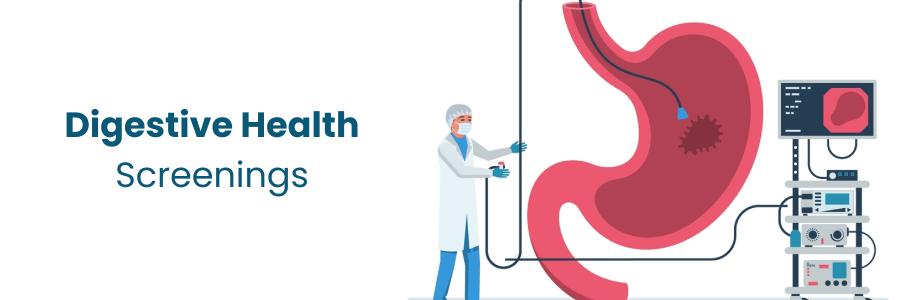
Endoscopy is a standard diagnostic procedure used to examine the interior of the digestive tract.
An endoscope is a flexible tube with a light and camera inserted through the mouth or rectum to visualize the esophagus, stomach, and colon. Endoscopy can detect abnormalities such as ulcers, polyps, and tumors.
Colonoscopy
A colonoscopy is a specific type of endoscopy that focuses on the colon and rectum. It is used to screen for colorectal cancer and other conditions like diverticulosis and inflammatory bowel disease.
During the procedure, polyps or abnormal growths can be removed for further analysis.
Upper Gastrointestinal (GI) Series
The upper GI series involves X-rays of the esophagus, stomach, and small intestine after swallowing a contrast material, usually barium. This test helps diagnose conditions like ulcers, tumors, and blockages.
Preparing for Digestive Health Screening
Consultation with a Gastroenterologist
Before undergoing any digestive health screening, you will have a consultation with a gastroenterologist.
The specialist will review your medical history, discuss your symptoms, and recommend the appropriate tests. This step is crucial for tailoring the screening process to your specific needs.
Dietary Restrictions
Depending on the type of screening, you may need to follow certain dietary restrictions.
For example, before a colonoscopy, you will be instructed to avoid solid foods and consume a clear liquid diet for 24 hours. You may also need to take a laxative to cleanse the colon.
Medication Adjustments
Inform your doctor about any medications you are taking, as some may need to be adjusted or temporarily discontinued. Blood thinners, for example, may need to be stopped to reduce the risk of bleeding during procedures like a biopsy.
Digestive Health Screening Procedures
What to Expect During an Endoscopy
During an endoscopy, you will be given a sedative to help you relax. The procedure typically takes 15-30 minutes.
The endoscope is gently inserted through the mouth or rectum, allowing the doctor to view the digestive tract on a monitor. You may experience mild discomfort, but the sedative will help minimize any pain.
What to Expect During a Colonoscopy
A colonoscopy also involves sedation to ensure comfort. The procedure lasts about 30-60 minutes. The colonoscope is inserted through the rectum and advanced through the colon.
If polyps are found, they can be removed during the procedure. Afterwards, you may feel bloated or have gas, but these symptoms usually subside quickly.
What to Expect During an Upper GI Series
For an upper GI series, you will need to drink a barium solution, which coats the lining of the digestive tract and enhances X-ray images.
The procedure takes about 30-45 minutes. You will be asked to move into different positions to help distribute the barium evenly. After the test, you may experience constipation or white stools for a few days.
After the Screening: Follow-Up and Results
Receiving Your Results
Results from digestive health screenings are typically available within a few days. Your gastroenterologist will review the findings and discuss them with you. If any abnormalities are detected, further tests or treatments may be recommended.
Post-Procedure Care
After an endoscopy or colonoscopy, you will need someone to drive you home due to the effects of sedation. You should rest for the remainder of the day and avoid making important decisions or operating machinery.
For an upper GI series, you can usually resume normal activities immediately, but drinking plenty of fluids is advised to help clear the barium from your system.
Your health is everything - prioritize your well-being today.
Schedule Your AppointmentBenefits of Digestive Health Screenings
Early Detection and Treatment
Early detection of gastrointestinal issues through screenings can lead to more effective treatment and better outcomes. For example, removing polyps during a colonoscopy can prevent them from developing into colorectal cancer.
Improved Quality of Life
Identifying and managing digestive health conditions can significantly improve your quality of life. Addressing symptoms like abdominal pain, bloating, and irregular bowel movements can lead to better overall health and well-being.
Personalized Care
At Medicover Hospital, Begumpet, you will receive personalized care tailored to your specific needs. The gastroenterologists and medical staff are dedicated to providing comprehensive and compassionate care throughout the screening process.
Conclusion
Digestive health screenings at Medicover Hospital, Begumpet, are essential for maintaining gastrointestinal health and preventing severe conditions.
By understanding what to expect from these screenings, you can be better prepared and more comfortable during the process. Regular screenings, early detection, and personalized care are crucial to achieving optimal digestive health.
Frequently Asked Questions
Digestive health screenings are tests and evaluations used to assess the health of your digestive system. They can include procedures like colonoscopy, endoscopy, and tests for digestive diseases or conditions.
You can schedule an appointment online through the Medicover Hospital website or by calling the helpline number 040-68334455.
Preparations vary depending on the type of screening. Common preparations may include fasting, taking specific medications, or following a special diet. Follow the instructions provided by the hospital or your doctor.
Results are typically communicated through a follow-up appointment, phone call, or secure online patient portal, depending on the hospital’s protocol.
If the results are abnormal, your doctor will discuss the findings with you and recommend further tests, treatments, or referrals to specialists as needed.
- Cardiology
- Case Studies
- Dermatology
- Endocrinology
- ENT
- Fertility
- Gastroenterology
- General
- General-Medicine
- Gynecology
- Hematology
- Infectious-Diseases
- Medical News
- Neurology
- Oncology
- Ophthalmology
- Orthopedics
- Pediatrics
- Procedure
- Public-Health
- Pulmonology
- Radiology
- Second Opinion
- Urology
- Wellness
- Woman-and-child
Related Blogs
Still have questions? Speak with our experts now!
040-68334455


