 Call
Call Patient Reports
- Cardiology 84
- Dermatology 45
- Endocrinology 33
- ENT 16
- Fertility 190
- Gastroenterology 78
- General-Medicine 81
- Gynecology 80
- Hematology 19
- Infectious-Diseases 33
- Neurology 52
- Oncology 34
- Ophthalmology 23
- Orthopedics 69
- Pediatrics 31
- Procedure 23
- Public-Health 144
- Pulmonology 59
- Radiology 8
- Urology 68
- Wellness 161
- Woman-and-child 77
- 3624
- 3.5 Minute
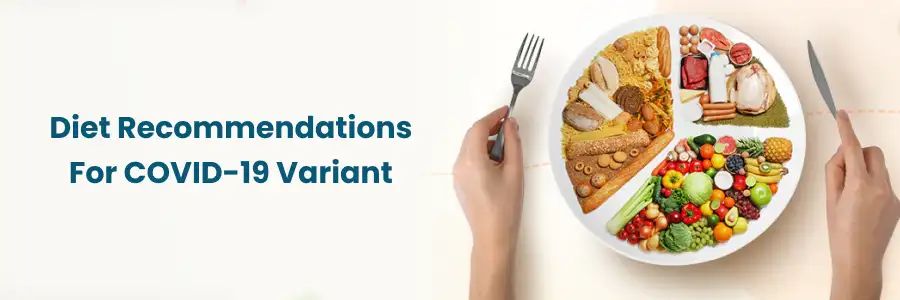
Diet recommendations for COVID-19 variant
The COVID-19 pandemic has emphasized the necessity of maintaining robust health and a resilient immune system. As new variants of the virus emerge, understanding the role of diet in bolstering immunity becomes increasingly critical. This article delves into the dietary guidelines and recommendations crucial for navigating the ongoing pandemic, with a particular focus on COVID-19 variants.
Understanding the Importance of Diet During the COVID-19 Pandemic
The relationship between nutrition and immune function is well-documented. A balanced diet not only supports overall health but can also enhance the body's ability to fend off infections. During the COVID-19 pandemic, it is imperative to focus on dietary strategies that promote immune resilience.
Get a second opinion from trusted experts and makeconfident, informed decisions.
Get Second OpinionNot sure where to start?
Talk to a patient care advisor — free, confidential, 24/7. We'll match you to the right specialist and book your appointment in minutes.
COVID-19 Second Variant and Dietary Needs
Emerging variants of COVID-19 have highlighted the need for adaptive dietary measures. The second variant, in particular, has shown increased transmissibility, necessitating a proactive approach to health. A nutrient-rich diet can serve as a frontline defense, helping to mitigate the impacts of infection.
Dietary Guidelines During COVID-19 Pandemic
Adhering to specific dietary guidelines can significantly influence health outcomes during the pandemic. Key recommendations include:
- Diversify Your Diet: Incorporate a variety of foods to ensure a comprehensive intake of essential nutrients.
- Prioritize Whole Foods: Opt for minimally processed foods to maximize nutrient density.
- Stay Hydrated: Adequate hydration is crucial for maintaining physiological functions.
Balanced Diet for COVID Variant Prevention
A balanced diet encompasses a range of nutrients necessary for optimal immune function. Focus on the following food groups to enhance immunity:
Fruits and Vegetables
Fruits and vegetables are rich in vitamins, minerals, and antioxidants. These compounds play a pivotal role in immune support and disease prevention.
- Vitamin C: Found in citrus fruits, strawberries, and bell peppers, vitamin C is essential for the functioning of various immune cells.
- Beta-Carotene: Carrots, sweet potatoes, and spinach provide beta-carotene, which the body converts into vitamin A, crucial for maintaining mucosal surfaces.
Protein Sources
Proteins are the building blocks of the body and are vital for the production of antibodies and immune cells.
- Lean Meats: Chicken, turkey, and lean cuts of beef supply high-quality protein.
- Plant-Based Proteins: Beans, lentils, and tofu are excellent sources of plant-based protein.
Healthy Fats
Healthy fats contribute to the integrity of cell membranes and the absorption of fat-soluble vitamins.
- Omega-3 Fatty Acids: Found in fatty fish, flaxseeds, and walnuts, omega-3s have anti-inflammatory properties beneficial for immune health.
- Monounsaturated Fats: Olive oil, avocados, and nuts provide monounsaturated fats that support overall health.
Foods to Enhance Immune System During COVID
Certain foods have been identified for their immune-boosting properties. Incorporating these into your diet can provide additional support against COVID-19.
Garlic and Onions
Garlic and onions contain compounds that have antimicrobial and anti-inflammatory effects. These foods can enhance the body's defense mechanisms.
Fermented Foods
Fermented foods like yogurt, kefir, and sauerkraut are rich in probiotics, which support gut health and, consequently, immune function.
Nuts and Seeds
Nuts and seeds are packed with essential nutrients, including vitamin E, zinc, and selenium, all of which are important for immune health.
Healthy Meal Plans for COVID-19
Creating a meal plan that incorporates immune-boosting foods can simplify the process of maintaining a healthy diet. Here is a sample meal plan to get you started:
Breakfast
- Smoothie: Blend spinach, banana, berries, and Greek yogurt for a nutrient-packed start to your day.
- Oatmeal: Top with nuts, seeds, and a drizzle of honey.
Lunch
- Salad: Combine leafy greens, cherry tomatoes, cucumbers, avocado, and grilled chicken. Dress with olive oil and lemon juice.
- Soup: A hearty lentil or vegetable soup can provide additional nutrients and hydration.
Dinner
- Grilled Salmon: Serve with a side of quinoa and steamed broccoli.
- Stir-Fry: Mix tofu with a variety of colorful vegetables and a ginger-garlic sauce.
Snacks
- Fruit and Nut Mix: A combination of dried fruits and nuts makes for a convenient, nutrient-dense snack.
- Yogurt with Berries: A simple yet effective way to incorporate probiotics and antioxidants.
Nutrients to Support Immunity in COVID-19
Several nutrients are particularly important for maintaining a robust immune system. Focus on the following:
Vitamin D
Vitamin D is critical for immune function and inflammation regulation. Exposure to sunlight and consumption of fortified foods or supplements can help maintain adequate levels.
Zinc
Zinc is involved in immune cell function and signaling. Foods high in zinc include meat, shellfish, legumes, and seeds.
Selenium
Selenium is a powerful antioxidant that supports immune health. Include Brazil nuts, fish, and eggs in your diet to ensure sufficient intake.
Practical Tips for Implementing Dietary Changes
Transitioning to a diet that supports immune health can be challenging. Here are some practical tips to help you get started:
- Plan Ahead: Create a weekly meal plan and grocery list to ensure you have all the necessary ingredients.
- Cook in Batches: Prepare meals in large quantities and store portions for later use.
- Stay Informed: Keep up-to-date with the latest dietary recommendations and research related to COVID-19.
Your health is everything - prioritize your well-being today.
Schedule Your AppointmentConclusion
As the COVID-19 pandemic continues to evolve, maintaining a diet that supports immune health is more important than ever. By incorporating a variety of nutrient-dense foods and following the outlined dietary guidelines, you can enhance your body's resilience against the virus. Remember, a balanced diet is a foundational aspect of overall health and well-being, particularly in these challenging times.
By proactively addressing your dietary needs, you can contribute to your health and the health of those around you. Stay informed, stay healthy, and take care of your immune system through thoughtful dietary choices.
Frequently Asked Questions
A balanced diet rich in fruits, vegetables, lean proteins, and whole grains is recommended to support overall health and immune function.
Key nutrients include vitamins C and D, zinc, and antioxidants, which can help support the immune system.
Yes, staying well-hydrated is important for overall health and helps maintain bodily functions, especially when ill.
Avoid overly processed foods, excessive sugar, and high-fat foods, as they can negatively impact immune function and overall health.
For those with reduced appetite, focus on nutrient-dense foods and consider smaller, more frequent meals to ensure adequate nutrition.
- Cardiology
- Case Studies
- Dermatology
- Endocrinology
- ENT
- Fertility
- Gastroenterology
- General
- General-Medicine
- Gynecology
- Hematology
- Infectious-Diseases
- Medical News
- Neurology
- Oncology
- Ophthalmology
- Orthopedics
- Pediatrics
- Procedure
- Public-Health
- Pulmonology
- Radiology
- Second Opinion
- Urology
- Wellness
- Woman-and-child
Related Blogs
Still have questions? Speak with our experts now!
040-68334455


