 Call
Call Patient Reports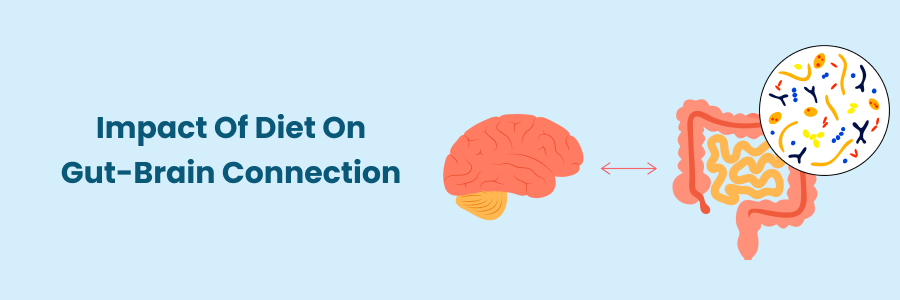
- 3759
- 3.5 Minute
Impact of Diet on Gut-Brain Connection
Are you irritable or nervous all the time without knowing why? Do you find it difficult to concentrate on everyday tasks because you feel like your mind is racing? These symptoms might indicate an imbalance in the link between your gut and brain, rather than being a coincidence. Your gut health is greatly influenced by the food you eat, which has an impact on your mental health. Let's examine how your diet can affect the complex link between your stomach and brain.
Gut Health and Mental Health
The state of your gut health directly impacts your mental health. An unhealthy gut can lead to inflammation, which has been linked to mood disorders such as depression and anxiety. When the balance of good and bad bacteria in your gut is disrupted, it can affect the production of neurotransmitters like serotonin, known as the 'feel-good' hormone. Including probiotic-rich foods in your diet can help maintain a healthy gut microbiome and support your mental well-being.
Additionally, digestive issues like bloating, constipation, or diarrhea can contribute to feelings of discomfort and irritability, further highlighting the close connection between gut health and mental health.
Get a second opinion from trusted experts and makeconfident, informed decisions.
Get Second OpinionNot sure where to start?
Talk to a patient care advisor — free, confidential, 24/7. We'll match you to the right specialist and book your appointment in minutes.
Foods That Affect Mood
Some foods are as good for your mood as they are for your brain. Foods high in sugar and processed ingredients can cause your blood sugar to spike and crash, making your energy levels and mood less predictable. In contrast, a diet filled with whole foods, fruits, vegetables, and lean proteins offers nutrients for brain health and emotional balance.
Fatty fish such as salmon, walnuts and flaxseeds, which are high in omega-3 fatty acids, have been shown to support for brain health and alleviate symptoms of depression. Dark leafy greens, berries and nuts are full of antioxidants, which help protect your brain cells from oxidative stress, which can help improve your mental clarity and focus!
Gut-Brain Axis
The gut-brain axis is a bidirectional communication system that connects your gut and brain. The vagus nerve plays a important role in this connection, sending signals between the two organs. Your gut can communicate stress to your brain when it is irritated or unbalanced triggering anxiety or mood changes.
Consuming a diet high in fiber supports a healthy gut microbiome, promoting the production of short-chain fatty acids that have anti-inflammatory effects on the brain. You can positively influence your mood and cognitive function by nurturing your gut with fiber-rich foods like whole grains, legumes, and fruits.
Probiotics and Brain Function
Probiotics are beneficial bacteria that can enhance gut health and, in turn, support brain function. These live microorganisms help maintain a balanced gut microbiome, improving digestion and nutrient absorption. Research suggests that probiotics may also play a role in reducing symptoms of anxiety and depression by modulating the gut-brain axis.
- Yogurt
- Kefir
- Sauerkraut
- Kombucha
Including probiotic-rich foods in your diet or taking probiotic supplements can help support a healthy gut-brain connection and improve your overall mental well-being.
Digestive Health and Diet
What you eat directly affects your digestive health. Your gut balance of good and bad bacteria that aid digestion can be thrown off by a diet high in processed foods, artificial sweeteners, and unhealthy fats, potentially causing digestive and mental health issues.
Eating a mixed diet high in fiber, lean proteins and fermented foods will produce a more diverse gut micro biome and will encourage greater and more beneficial nutrient absorption and digestion. Fermented foods do double duty as sources of probiotics, which deliver helpful bacteria to your gut, and also feed those bugs so they can multiply and thrive, which just might make your overall gut health a little better and your mood a little brighter.
Your health is everything - prioritize your well-being today.
Schedule Your AppointmentIn Conclusion
The complex interaction between your gut and brain is greatly influenced by your diet. Making foods that promote gut health a priority, such as probiotics, foods high in fiber, and nutrient-dense whole foods, can have a favorable effect on your mental health. Pay attention to how different foods make you feel, and consider consulting a healthcare provider or nutritionist to optimize your diet for a healthy gut-brain connection.
Frequently Asked Questions
Diet directly impacts gut bacteria, which produce neurotransmitters and signaling molecules. A fiber-rich, balanced diet supports a healthy microbiome, reducing inflammation and promoting better mood, focus, and mental health through the gut-brain axis.
Foods rich in fiber (like vegetables, fruits, and whole grains), fermented foods (like yogurt, kefir, and kimchi), and omega-3 fatty acids (like walnuts and salmon) nourish gut bacteria and reduce inflammation, enhancing gut-brain communication and mental well-being.
Yes, imbalanced gut bacteria can lead to inflammation, reduced neurotransmitter production, and altered stress responses, contributing to anxiety, depression, and cognitive issues. A healthy gut is essential for emotional and mental balance.
Probiotics improve the synthesis of neurotransmitters like serotonin, lower inflammation, and help rebuild a healthy gut flora. This supports mood control and cognitive function by fostering improved gut-brain connection.
The brain and gut are connected via the vagus nerve, which regulates digestion and transmits mood and stress-related signals. As gut health affects emotional states and vice versa, it is essential for gut-brain communication.
- Cardiology
- Case Studies
- Dermatology
- Endocrinology
- ENT
- Fertility
- Gastroenterology
- General
- General-Medicine
- Gynecology
- Hematology
- Infectious-Diseases
- Medical News
- Neurology
- Oncology
- Ophthalmology
- Orthopedics
- Pediatrics
- Procedure
- Public-Health
- Pulmonology
- Radiology
- Second Opinion
- Urology
- Wellness
- Woman-and-child
Related Blogs
Still have questions? Speak with our experts now!
040-68334455


