 Call
Call Patient Reports
- Cardiology 84
- Dermatology 45
- Endocrinology 33
- ENT 16
- Fertility 190
- Gastroenterology 78
- General-Medicine 81
- Gynecology 80
- Hematology 19
- Infectious-Diseases 33
- Neurology 52
- Oncology 34
- Ophthalmology 23
- Orthopedics 69
- Pediatrics 31
- Procedure 23
- Public-Health 144
- Pulmonology 59
- Radiology 8
- Urology 68
- Wellness 161
- Woman-and-child 77
- 3759
- 3.5 Minute
What are the Long-Term Effects of COVID-19?
After battling COVID-19, some individuals continue to experience health issues known as post-COVID consequences. This article explores symptoms and risk factors associated with post-COVID-19 syndrome, also referred to as post-COVID conditions, long COVID-19, long-haul COVID-19, or post-acute sequelae of SARS-CoV-2 (PASC) infection.
What Is Post-COVID-19 Syndrome?
Post-COVID-19 syndrome manifests as a range of new, recurring, or persistent symptoms appearing four weeks or more after contracting COVID-19. For some, these symptoms can persist for months or even years.
Get a second opinion from trusted experts and makeconfident, informed decisions.
Get Second OpinionNot sure where to start?
Talk to a patient care advisor — free, confidential, 24/7. We'll match you to the right specialist and book your appointment in minutes.
Symptoms of Post-COVID-19 Syndrome
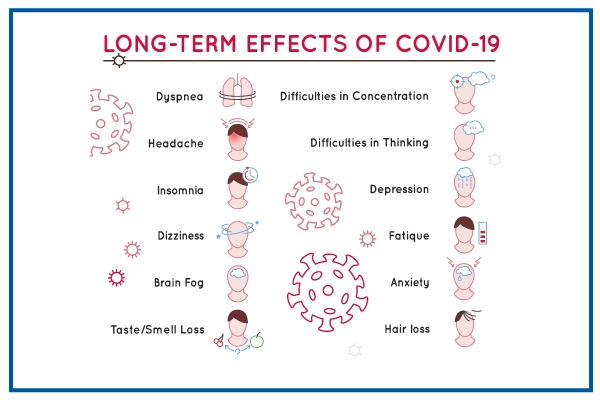
Commonly reported symptoms include
- Fatigue
- Symptoms that worsen after exerting physical or mental effort
- Fever
- Lung (respiratory) symptoms such as difficulty breathing or shortness of breath
- Cough
Apart from the symptoms above, some of the other symptoms include:
- Symptoms related to neurological and mental health include;
- Difficulty in thinking or concentrating
- Headache
- Sleep problems
- Dizziness
- Prickling and tingling sensation
- Loss of smell or taste
- Depression or anxiety are examples of neurological symptoms or mental health conditions.
- Muscle or joint pain
- Symptoms related to the heart include chest pain or a fast heartbeat.
- Symptoms related to the stomach include diarrhoea and stomach pain.
- Blood clots and blood vessel (vascular) problems.
- Changes in the menstrual cycle.
Similarities and Chronic Conditions
It can be challenging to distinguish these symptoms from those of chronic fatigue syndrome and other long-term illnesses resulting from infections.
Causes of Continued Health Issues
COVID-19 may cause long-term health problems due to organ damage, inflammation, and immune system dysregulation. The extent and duration of these effects remain uncertain and could potentially lead to new conditions such as diabetes or cardiovascular diseases. Severe COVID-19 cases might also contribute to post-traumatic stress disorder (PTSD) and persistent fatigue.
After-Effects of COVID-19 on the Human Body
The after-effects of COVID-19 on the human body include a spectrum of symptoms and potential complications that persist beyond the acute phase of the illness.
Side Effects of COVID-19 Vaccines
While crucial for preventing severe illness, COVID-19 vaccines can also cause side effects. These side effects are typically mild and temporary. They commonly include:
- Soreness, redness, or swelling at the injection site.
- Fatigue or tiredness.
- Mild fever.
- Headache.
- Muscle pain or joint pain.
- Chills or slight shaking.
After COVID-19 vaccination, mild side effects like soreness at the injection site, fatigue, or mild fever typically appear within a few days and usually resolve on their own. These are normal signs that your body is developing immunity against COVID-19. Serious side effects are rare. If you have concerns about any symptoms post-vaccination, consult your healthcare provider for guidance.
Why Does COVID-19 Continue to Cause Health Problems?
Organ damage could be a factor. People who had severe Covid-19 illness may have suffered organ damage affecting the heart, kidneys, skin, and brain. Inflammation and immune system issues are also possible. It's unclear how long these effects will last. The consequences could also result in the emergence of new conditions, such as diabetes or a heart or nervous system condition.
Another factor might be prior exposure to severe Covid-19. Intensive care units in hospitals are frequently needed to treat patients with severe Covid-19 symptoms. This can cause post-traumatic stress disorder (PTSD), a mental health disease brought on by a scary event, and extreme exhaustion.
Contributing Factors to Post-COVID-19 Syndrome
Post covid risk factors include:
- Severe COVID-19 illness requiring hospitalisation or intensive care
- Pre-existing chronic medical conditions
- Multisystem inflammatory syndrome during or after COVID-19 infection
- Adults are more susceptible than children and teenagers to post-COVID-19 syndrome.
Managing Post-COVID-19 Syndrome Symptoms
If you experience symptoms of post-COVID-19 syndrome, consult your doctor promptly. Based on your symptoms, diagnostic tests such as complete blood count (CBC), liver function tests, or chest X-rays may be recommended. Collaborating with support groups and utilizing available resources can help manage these symptoms effectively.
Conclusion
Post-COVID-19 effects are treatable with proper medical care and support. For assistance with post-COVID-19 health issues, consider contacting Medicover Hospitals, where we offer specialised care through our dedicated post-COVID clinic.
Your health is everything - prioritize your well-being today.
Schedule Your AppointmentFrequently Asked Questions
Common symptoms include exhaustion, dyspnea, joint discomfort, chest pain, loss of taste or smell, difficulty concentrating (brain fog), and trouble sleeping.
Research indicates that a sizable portion of COVID-19 survivors experience long-term effects, with estimates varying depending on the severity of the initial illness and other factors.
The exact causes of long COVID are still under investigation but may involve persistent viral presence, immune system dysregulation, inflammation, or damage to organs and tissues.
Anyone who has had COVID-19, regardless of severity, may develop long-term effects. However, older adults, those with pre-existing medical conditions, and individuals who experienced severe illness may be at higher risk.
- Cardiology
- Case Studies
- Dermatology
- Endocrinology
- ENT
- Fertility
- Gastroenterology
- General
- General-Medicine
- Gynecology
- Hematology
- Infectious-Diseases
- Medical News
- Neurology
- Oncology
- Ophthalmology
- Orthopedics
- Pediatrics
- Procedure
- Public-Health
- Pulmonology
- Radiology
- Second Opinion
- Urology
- Wellness
- Woman-and-child
Related Blogs
Still have questions? Speak with our experts now!
040-68334455


