 Call
Call Patient Reports
- Cardiology 84
- Dermatology 45
- Endocrinology 33
- ENT 16
- Fertility 190
- Gastroenterology 78
- General-Medicine 81
- Gynecology 80
- Hematology 19
- Infectious-Diseases 33
- Neurology 52
- Oncology 34
- Ophthalmology 23
- Orthopedics 69
- Pediatrics 31
- Procedure 23
- Public-Health 144
- Pulmonology 59
- Radiology 8
- Urology 68
- Wellness 161
- Woman-and-child 77
- 3759
- 3.5 Minute
Covaxin vs Covishield: A Comparative Analysis of COVID-19 Vaccines
The global COVID-19 pandemic has prompted widespread chaos, emphasizing vaccination as the pivotal strategy to break the chain of this deadly virus. Social distancing, mask-wearing, and handwashing are effective but require strict adherence to be fully effective.
Recognising this, governments have introduced vaccines to combat COVID-19. Vaccination is crucial as it primes the body's immune system to swiftly combat the virus upon exposure, preventing severe illness and mortality.
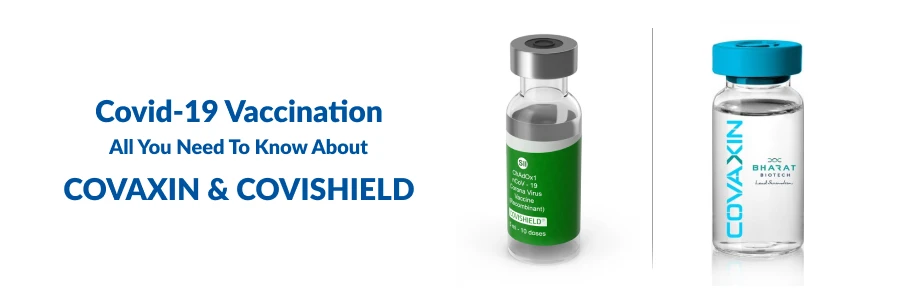
The Indian government has approved two primary COVID-19 vaccinations for emergency use. Covaxin, manufactured by Bharat Biotech Limited, and Covishield, produced by the Serum Institute of India under license from Oxford-AstraZeneca, are both authorised for use. These vaccines are considered safe for individuals over 18 years old, including those with various pre-existing conditions:
Get a second opinion from trusted experts and makeconfident, informed decisions.
Get Second OpinionNot sure where to start?
Talk to a patient care advisor — free, confidential, 24/7. We'll match you to the right specialist and book your appointment in minutes.
- Auto-immune disorders
- Hypertension
- Diabetes
- Asthma
- Chronic infections under stable control
Both Covaxin and Covishield have undergone rigorous testing and are recommended by health authorities to help mitigate the spread and severity of COVID-19 infections.
Know the Effectiveness of Covishield and Covaxin Vaccines
Understanding the differences between Covaxin and Covishield can help individuals make informed decisions regarding their COVID-19 vaccination.
|
Features |
Covaxin |
Covishield |
|
Type of Vaccine |
Inactivated vaccine |
Viral vector vaccine |
|
Manufacturing |
Bharat Biotech Limited |
Serum Institute of India (under license from Oxford-AstraZeneca) |
|
Vaccine Process |
Uses whole, inactivated viruses to trigger immune response |
Uses a viral vector to deliver genetic material of SARS-CoV-2 spike protein to trigger immune response |
|
Dosage |
Two doses, typically 4-6 weeks apart |
Two doses, spaced between 4-12 weeks |
|
Storage |
Requires standard refrigeration (2-8 degrees Celsius) |
Can be stored at standard refrigeration temperatures (2-8 degrees Celsius) |
|
Effectiveness |
Effective in reducing severity and mortality risk associated with COVID-19 |
Effective in reducing severity and mortality risk associated with COVID-19 |
|
Precautions |
Standard precautions apply |
Standard precautions apply |
|
Side Effects |
Mild to moderate side effects reported |
Mild to moderate side effects reported |
|
Second Dose Timing |
Generally administered 4-6 weeks after the first dose |
Administered between 4-12 weeks after the first dose |
|
Best For |
Individuals seeking an inactivated virus-based vaccine |
Individuals seeking a viral vector-based vaccine |
|
Availability |
Available in various vaccination centers across India |
Available in India and other countries participating in the COVAX initiative |
Your health is everything - prioritize your well-being today.
Schedule Your AppointmentFrequently Asked Questions
In India, two vaccines, Covaxin (developed by Hyderabad-based Bharat Biotech) and Covishield (developed by Oxford-AstraZeneca and manufactured by Serum Institute of India), are now in use.
COVID-19 vaccines have some side effects like:
- Mild fever
- Swelling
- Headache
- Nausea and dizziness
- Pain and discomfort
However, you may require immediate medical attention if you experience serious adverse effects such as severe allergic reactions, an unusual infection, seizures, or any other unexpected side effects. If you have any of these symptoms, you must immediately notify the doctor so that he or she can act accordingly.
No! Because vaccines are not interchangeable, it is critical to receive the second dose of the same vaccination as the first. Furthermore, the COWIN app will help in ensuring that everyone receives the same immunization.
Covishield and Covaxin are now being used in India. The optimum time between the two doses is determined by the type of vaccine. The second dosage of the vaccination must be administered 28 days after the first dose, according to current government protocol.
According to Covishield, the booster dosage may be more effective if the gap between the two doses is between 6 - 12 weeks.
You can get yourself register here
Yes, even after vaccination, we should all continue to wear masks, especially in public places. Getting vaccinated does not mean that we can return to our usual lives right after. Vaccinations are now merely another layer of protection against the COVID-19 pandemic until we acquire some level of herd immunity.
In the future, you may be required to provide proof of vaccination to travel, work in some sectors, or attend major events.
Pregnant or lactating women, as well as those with weakened immune systems, should avoid receiving the vaccination. If you have any questions, you should consult with the provider so that you can make an informed decision for your specific circumstance.
Yes. At this point, there is insufficient information to determine how long protection from a COVID-19 infection lasts. It's also uncertain whether vaccination or illness generates the most powerful immunity. If you have COVID-19 and were treated with monoclonal antibodies, you must wait 90 days before getting the vaccination.
- Cardiology
- Case Studies
- Dermatology
- Endocrinology
- ENT
- Fertility
- Gastroenterology
- General
- General-Medicine
- Gynecology
- Hematology
- Infectious-Diseases
- Medical News
- Neurology
- Oncology
- Ophthalmology
- Orthopedics
- Pediatrics
- Procedure
- Public-Health
- Pulmonology
- Radiology
- Second Opinion
- Urology
- Wellness
- Woman-and-child
Related Blogs
Still have questions? Speak with our experts now!
040-68334455


