 Call
Call Patient Reports
- Cardiology 84
- Dermatology 45
- Endocrinology 33
- ENT 16
- Fertility 190
- Gastroenterology 78
- General-Medicine 81
- Gynecology 80
- Hematology 19
- Infectious-Diseases 33
- Neurology 52
- Oncology 34
- Ophthalmology 23
- Orthopedics 69
- Pediatrics 31
- Procedure 23
- Public-Health 144
- Pulmonology 59
- Radiology 8
- Urology 68
- Wellness 161
- Woman-and-child 77
- 3921
- 3.8 Minute
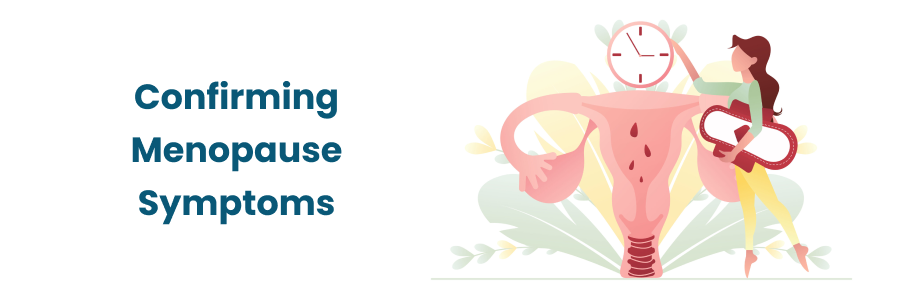
Think You Are Entering Menopause Confirm With These 6 Signs
Entering menopause can be a significant time in a woman's life. Recognizing the symptoms can help you manage this transition more effectively. Here are six signs that may indicate you are entering menopause.
Irregular Periods
One of the earliest signs of menopause is irregular periods. As you approach menopause, your menstrual cycle may become unpredictable. You might experience shorter or longer cycles, and the flow may become lighter or heavier. These changes occur because your body's hormone levels fluctuate, particularly estrogen and progesterone, which regulate the menstrual cycle.
Get a second opinion from trusted experts and makeconfident, informed decisions.
Get Second OpinionNot sure where to start?
Talk to a patient care advisor — free, confidential, 24/7. We'll match you to the right specialist and book your appointment in minutes.
What to Watch For
- Skipping periods
- Periods that last longer or shorter than usual
- Changes in flow intensity
If you notice significant changes in your menstrual cycle, it could be an indicator that you are entering menopause. It's also important to track your periods to share accurate information with your healthcare provider. This will help them determine whether you're in perimenopause or if there's another underlying condition.
Hot Flashes and Night Sweats
Hot flashes and night sweats are classic symptoms of menopause. These sudden feelings of intense heat can occur at any time and can be accompanied by sweating and redness of the skin. They are often triggered by hormonal changes and can vary in frequency and intensity from person to person.
How They Manifest
- Sudden warmth in the upper body
- Red blotches on the skin
- Heavy sweating, especially at night
Hot flashes can be uncomfortable and may disrupt your daily life. Keeping track of their frequency and severity can help you manage them better. Techniques such as dressing in layers, staying hydrated, and using fans can provide some relief. Consulting with a healthcare provider can also provide additional strategies and treatments to manage this symptom.
Mood Swings and Emotional Changes
Hormonal changes during menopause can lead to mood swings and emotional changes. You might feel irritable, anxious, or experience sudden mood shifts. These emotional fluctuations can be challenging and may affect your relationships and daily activities.
Emotional Indicators
- Increased irritability
- Anxiety or depression
- Sudden mood changes
Understanding that these emotional shifts are a part of the menopause process can help you cope better. Seeking support from friends, family, or a mental health professional can provide relief and help you navigate these changes. Mindfulness practices, such as meditation and yoga, can also be beneficial in managing stress and improving emotional well-being.
Sleep Problems
Sleep disturbances are common during menopause. You may find it hard to fall asleep, stay asleep, or wake up feeling unrefreshed. These sleep issues can be attributed to hormonal changes, night sweats, or increased anxiety.
Signs of Sleep Issues
- Difficulty falling asleep
- Waking up frequently during the night
- Feeling tired even after a full night's sleep
Addressing sleep problems early can improve your overall quality of life during menopause. Creating a comfortable sleep environment, maintaining a regular sleep schedule, and avoiding caffeine or heavy meals before bedtime can help. If sleep issues persist, consulting with a healthcare provider can provide additional strategies and possible treatments.
Vaginal Dryness and Discomfort
Reduced estrogen levels during menopause can cause vaginal dryness and discomfort. This can lead to itching, irritation, and pain during intercourse. These symptoms can affect your sexual health and overall well-being.
Symptoms to Recognize
- Dryness and itching
- Discomfort or pain during sex
- Frequent urinary tract infections
If you experience these symptoms, speak with your healthcare provider for possible treatments. Over-the-counter lubricants and moisturizers can provide temporary relief. Prescription treatments, such as estrogen therapy, can offer longer-term solutions for vaginal dryness and discomfort.
Changes in Hair and Skin
Menopause can also affect your hair and skin. You might notice thinning hair, increased hair shedding, and changes in skin texture. These changes are often due to hormonal fluctuations that affect the health of your hair and skin.
Observable Changes
- Thinning hair or hair loss
- Dry or itchy skin
- Increased facial hair
Being aware of these changes can help you take steps to maintain your hair and skin health. Using gentle, hydrating products and avoiding harsh treatments can protect your skin. For hair, consider using volumizing shampoos and conditioners, and avoid excessive heat styling. Consulting with a dermatologist can provide personalized recommendations to address these changes.
Conclusion
Recognizing menopause symptoms early can help you manage them more effectively. If you experience any of these signs, consult your healthcare provider for guidance. Understanding and addressing these symptoms can make your transition through menopause smoother and more manageable.
By staying informed and proactive, you can navigate this significant phase of your life with confidence and ease. Keeping a symptom diary, seeking support, and exploring treatment options can empower you to take control of your health and well-being during menopause.
Your health is everything - prioritize your well-being today.
Schedule Your AppointmentFrequently Asked Questions
Early signs include hot flashes, night sweats, and irregular periods.
Symptoms like vaginal dryness, mood swings, and sleep disturbances can confirm menopause.
Consult a doctor if symptoms are severe or impact daily life.
Blood tests measuring hormone levels can help confirm menopause.
Hormone therapy and lifestyle changes can help manage symptoms.
- Cardiology
- Case Studies
- Dermatology
- Endocrinology
- ENT
- Fertility
- Gastroenterology
- General
- General-Medicine
- Gynecology
- Hematology
- Infectious-Diseases
- Medical News
- Neurology
- Oncology
- Ophthalmology
- Orthopedics
- Pediatrics
- Procedure
- Public-Health
- Pulmonology
- Radiology
- Second Opinion
- Urology
- Wellness
- Woman-and-child
Related Blogs
Still have questions? Speak with our experts now!
040-68334455


