 Call
Call Patient Reports
- Cardiology 84
- Dermatology 45
- Endocrinology 33
- ENT 16
- Fertility 190
- Gastroenterology 78
- General-Medicine 81
- Gynecology 80
- Hematology 19
- Infectious-Diseases 33
- Neurology 52
- Oncology 34
- Ophthalmology 23
- Orthopedics 69
- Pediatrics 31
- Procedure 23
- Public-Health 144
- Pulmonology 59
- Radiology 8
- Urology 68
- Wellness 161
- Woman-and-child 77
- 3759
- 3.5 Minute
Complications of Preterm Labor: What Every Pregnant Woman Should Know
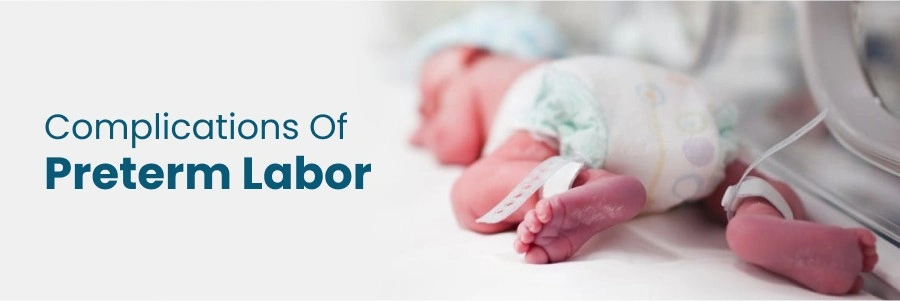
Preterm labor, defined as labor that begins before the 37th week of pregnancy, can pose significant risks to both the mother and the baby. Understanding the complications of preterm labor is crucial for expecting mothers. This article delves into the risks, symptoms, and management strategies for preterm labor, providing you with the essential information you need to navigate this critical aspect of pregnancy.
Get a second opinion from trusted experts and makeconfident, informed decisions.
Get Second OpinionNot sure where to start?
Talk to a patient care advisor — free, confidential, 24/7. We'll match you to the right specialist and book your appointment in minutes.
Understanding Preterm Labor
Preterm labor occurs when contractions begin to open the cervix before the 37th week of pregnancy. While full-term pregnancy lasts about 40 weeks, babies born prematurely can face numerous health challenges.
Symptoms of Preterm Labor
Recognizing the symptoms of preterm labor early can make a significant difference. Here are some common signs to watch out for:
- Regular contractions or tightening of the uterus
- Lower back pain that doesn't go away
- Cramping in the lower abdomen
- Vaginal bleeding or spotting
- Increased vaginal discharge
- A sensation of pelvic pressure
If you experience any of these symptoms, it's crucial to contact your healthcare provider immediately.
Risks of Preterm Labor
Preterm labor can lead to a range of complications. Understanding these risks can help you be better prepared.
Risks to the Baby
Babies born prematurely may face several health issues, including:
- Respiratory Distress Syndrome (RDS): Premature babies often have underdeveloped lungs, leading to breathing difficulties.
- Intraventricular Hemorrhage (IVH): This is bleeding in the brain, which can occur in preterm infants.
- Necrotizing Enterocolitis (NEC): A serious intestinal disease affecting preemies.
- Infections: Premature babies have weaker immune systems, making them more susceptible to infections.
- Long-term Developmental Issues: Premature birth can lead to delayed physical and mental development.
Risks to the Mother
Preterm labor also poses risks to the mother, such as:
- Increased Stress and Anxiety: The unexpected nature of preterm labor can be emotionally taxing.
- Complications from Cesarean Delivery: If a cesarean section is necessary, it carries its own set of risks, such as infections and longer recovery times.
Management of Preterm Labor
Early detection and management are key to minimizing the complications of preterm labor. Here are some strategies:
Medical Interventions
- Medications: Drugs like corticosteroids can help accelerate lung development in the baby. Tocolytics can help delay labor.
- Hospitalization: In some cases, bed rest or hospitalization may be necessary to monitor the mother and baby closely.
- Cerclage: This is a surgical procedure where the cervix is stitched closed to prevent early opening.
Lifestyle Adjustments
- Hydration: Drinking plenty of water can help reduce the risk of contractions.
- Avoiding Heavy Lifting: Physical strain can trigger preterm labor.
- Stress Management: Techniques like prenatal yoga and meditation can help manage stress levels.
Effects of Preterm Birth
Preterm birth can have both immediate and long-term effects. Here's what to expect:
Immediate Effects
- Medical Interventions: Premature babies often require specialized care, including time in a neonatal intensive care unit (NICU).
- Bonding Challenges: The physical separation due to NICU stays can impact the mother-baby bonding process.
Long-term Effects
- Developmental Delays: Premature babies may experience delays in reaching developmental milestones.
- Chronic Health Issues: They are at higher risk for conditions like asthma, vision problems, and hearing issues.
Preventive Measures
While it's not always possible to prevent preterm labor, certain measures can reduce the risk.
Regular Prenatal Care
Attending all prenatal appointments allows your healthcare provider to monitor your pregnancy closely and catch any signs of complications early.
Healthy Lifestyle Choices
- Balanced Diet: Eating a nutritious diet can support your overall health and that of your baby.
- Regular Exercise: Gentle exercise, approved by your healthcare provider, can strengthen your body and reduce stress.
- Avoiding Harmful Substances: Stay away from alcohol, tobacco, and illicit drugs.
Monitoring and Testing
- Cervical Length Monitoring: Regular ultrasounds to measure cervical length can help identify risks of preterm labor.
- Fetal Fibronectin Test: This test can help predict the likelihood of preterm labor.
When to Seek Help
Knowing when to seek medical attention can be life-saving. Contact your healthcare provider if you experience:
- Contractions every 10 minutes or more frequently
- Vaginal bleeding
- Sudden gush of fluid from your vagina
- Severe lower back pain
Your health is everything - prioritize your well-being today.
Schedule Your AppointmentConclusion
Preterm labor presents a range of risks and complications, but understanding these risks can help you take proactive steps. Regular prenatal care, a healthy lifestyle, and knowing the signs of preterm labor can make a significant difference. If you experience any symptoms, don't hesitate to contact your healthcare provider. By staying informed and vigilant, you can better manage the challenges of preterm labor and ensure the best possible outcome for you and your baby.
Frequently Asked Questions
Common complications include respiratory issues in the baby, developmental delays, infections, and longer hospital stays.
Babies born prematurely often have underdeveloped lungs, which can lead to breathing difficulties and the need for respiratory support.
Preterm babies may face delays in motor skills, cognitive development, and language skills as they grow.
Preterm infants have weaker immune systems, making them more susceptible to infections, which can lead to further health complications.
Pregnant women should attend regular prenatal check-ups, follow their healthcare provider's advice, and seek immediate medical attention if they experience signs of preterm labor, such as regular contractions or vaginal bleeding.
- Cardiology
- Case Studies
- Dermatology
- Endocrinology
- ENT
- Fertility
- Gastroenterology
- General
- General-Medicine
- Gynecology
- Hematology
- Infectious-Diseases
- Medical News
- Neurology
- Oncology
- Ophthalmology
- Orthopedics
- Pediatrics
- Procedure
- Public-Health
- Pulmonology
- Radiology
- Second Opinion
- Urology
- Wellness
- Woman-and-child
Related Blogs
Still have questions? Speak with our experts now!
040-68334455


