 Call
Call Patient Reports
- Cardiology 84
- Dermatology 45
- Endocrinology 33
- ENT 16
- Fertility 190
- Gastroenterology 78
- General-Medicine 81
- Gynecology 80
- Hematology 19
- Infectious-Diseases 33
- Neurology 52
- Oncology 34
- Ophthalmology 23
- Orthopedics 69
- Pediatrics 31
- Procedure 23
- Public-Health 144
- Pulmonology 59
- Radiology 8
- Urology 68
- Wellness 161
- Woman-and-child 77
- 3777
- 3.3 Minute
Cervical Spondylitis Treatment Options
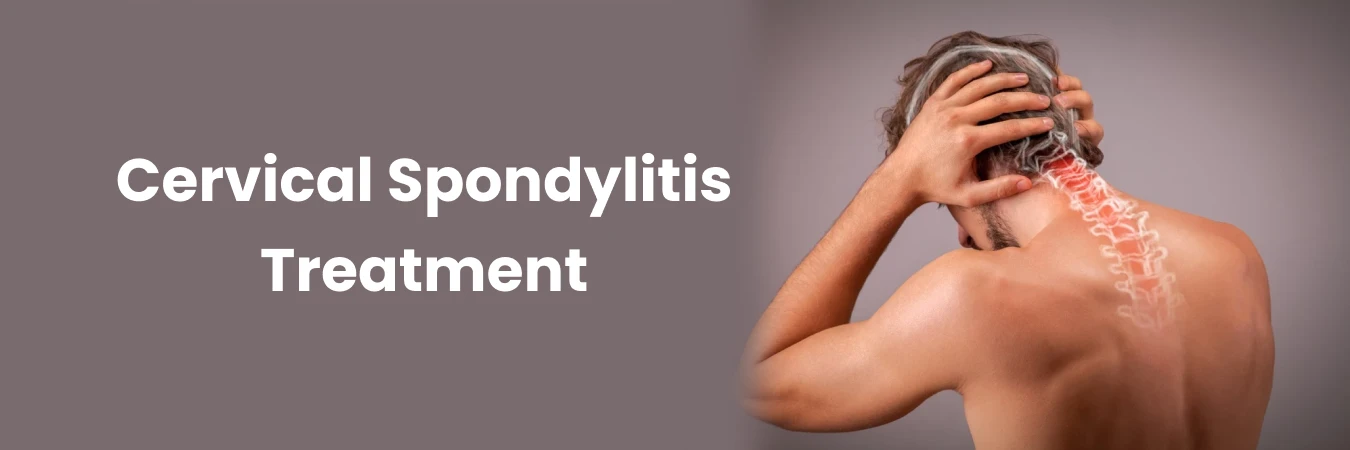
Cervical spondylitis, also known as cervical osteoarthritis or neck arthritis, is a condition characterized by the degeneration of the cervical spine's discs and vertebrae. This ailment can cause significant discomfort and impact daily activities. Understanding the various treatment modalities available can help manage symptoms and improve quality of life.
Understanding Cervical Spondylitis
Cervical spondylitis primarily affects the neck, leading to symptoms such as pain, stiffness, and reduced range of motion. In more severe cases, nerve compression can cause neurological symptoms. A comprehensive treatment plan is essential for alleviating pain and preventing further degeneration.
Get a second opinion from trusted experts and makeconfident, informed decisions.
Get Second OpinionNot sure where to start?
Talk to a patient care advisor — free, confidential, 24/7. We'll match you to the right specialist and book your appointment in minutes.
Non-Surgical Treatment Options
Physical Therapy
Physical therapy is a cornerstone in the management of cervical spondylitis. A trained therapist can design a regimen of exercises aimed at strengthening the neck muscles, improving flexibility, and reducing pain. Techniques may include:
- Manual Therapy: Hands-on techniques to mobilize stiff joints and soft tissues.
- Therapeutic Exercises: Customized exercises to improve strength and endurance.
- Posture Training: Education on maintaining proper posture to alleviate strain on the cervical spine.
Medications for Pain Relief
Medications play a pivotal role in managing the pain and inflammation associated with cervical spondylitis. Commonly prescribed medications include:
- Nonsteroidal Anti-Inflammatory Drugs (NSAIDs): These medications, such as ibuprofen and naproxen, help reduce inflammation and alleviate pain.
- Muscle Relaxants: These can be beneficial in relieving muscle spasms that often accompany cervical spondylitis.
- Corticosteroids: These are potent anti-inflammatory agents that can be administered orally or via injections.
Lifestyle Modifications
Lifestyle changes can significantly impact the management of cervical spondylitis. Recommendations include:
- Ergonomic Adjustments: Ensuring that workspaces are ergonomically designed to reduce strain on the neck.
- Regular Exercise: Engaging in low-impact exercises such as swimming or walking to maintain overall fitness without exacerbating neck pain.
- Weight Management: Maintaining a healthy weight to reduce stress on the cervical spine.
Advanced Therapeutic Options
Cervical Spondylitis and Physical Therapy
Physical therapy is not just about exercises; it encompasses a range of treatments designed to improve neck function and decrease pain. Advanced physical therapy techniques may include:
- Traction: This involves using weights or pulleys to gently stretch the neck, which can help relieve nerve root compression.
- Electrical Stimulation: Using electrical currents to reduce pain and improve muscle function.
- Ultrasound Therapy: Utilizing sound waves to penetrate deep tissues and reduce inflammation.
Injection Therapies
For patients who do not respond to oral medications or physical therapy, injection therapies can be an effective alternative. These therapies include:
- Epidural Steroid Injections: Administered directly into the epidural space to reduce inflammation and pain.
- Facet Joint Injections: Targeting the small joints in the neck to alleviate pain and improve mobility.
- Trigger Point Injections: Injecting medication directly into painful muscle knots to provide relief.
Alternative Therapies
Alternative therapies can complement conventional treatment methods. Some of these therapies include:
- Acupuncture: An ancient Chinese practice that involves inserting thin needles into specific points on the body to relieve pain.
- Chiropractic Care: Spinal manipulation performed by a chiropractor can help improve neck function and reduce pain.
- Massage Therapy: Therapeutic massage can help alleviate muscle tension and improve circulation.
Surgical Interventions
When Is Surgery Necessary?
Surgery is generally considered a last resort, reserved for patients who do not respond to conservative treatments or those who have significant neurological deficits. Indications for surgery may include:
- Severe Pain: Persistent pain that does not improve with non-surgical treatments.
- Neurological Symptoms: Weakness, numbness, or tingling in the arms or hands due to nerve compression.
- Spinal Instability: Structural issues that compromise the stability of the cervical spine.
Types of Surgical Procedures
Several surgical options are available, depending on the specific needs of the patient. Common procedures include:
- Anterior Cervical Discectomy and Fusion (ACDF): Removal of a damaged disc and fusion of the adjacent vertebrae.
- Cervical Laminectomy: Removal of part of the vertebra to relieve pressure on the spinal cord.
- Cervical Disc Replacement: Replacing a damaged disc with an artificial one to maintain motion at the affected segment.
Post-Surgical Rehabilitation
Recovery from cervical spine surgery requires a comprehensive rehabilitation program to ensure optimal outcomes. Post-surgical rehabilitation may include:
- Physical Therapy: Focused on restoring strength, flexibility, and function.
- Pain Management: Using medications and other modalities to manage post-operative pain.
- Activity Modification: Gradually returning to normal activities while avoiding strain on the neck.
Managing Cervical Spondylitis Long-Term
Cervical spondylitis is a chronic condition that requires ongoing management. Strategies for long-term management include:
- Regular Follow-Ups: Periodic visits to the healthcare provider to monitor the condition and adjust the treatment plan as needed.
- Continued Exercise: Maintaining a regular exercise routine to keep the neck muscles strong and flexible.
- Education: Staying informed about the condition and understanding how to manage symptoms effectively.
Conclusion
Cervical spondylitis can be a debilitating condition, but with the right treatment plan, it is possible to manage symptoms and maintain a good quality of life. From physical therapy and medications to advanced therapeutic options and surgical interventions, a multifaceted approach is critical to effective treatment. By working closely with healthcare providers and adhering to recommended therapies, individuals with cervical spondylitis can achieve significant pain relief and improved function.
Your health is everything - prioritize your well-being today.
Schedule Your AppointmentFrequently Asked Questions
Cervical spondylitis, often referred to as cervical spondylosis, is a condition characterized by age-related degeneration of the cervical spine (neck), which can cause pain, stiffness, and neurological symptoms.
The primary goals are to relieve pain, reduce inflammation, improve mobility, and prevent or manage neurological symptoms.
Non-surgical treatments include physical therapy, pain medications (like NSAIDs or acetaminophen), cervical traction, and exercises to improve neck strength and flexibility.
Physical therapy can help by improving neck strength, flexibility, and posture, which can reduce pain and prevent further degeneration.
Yes, medications include nonsteroidal anti-inflammatory drugs (NSAIDs) for pain and inflammation, muscle relaxants for muscle spasms, and corticosteroids for severe inflammation.
- Cardiology
- Case Studies
- Dermatology
- Endocrinology
- ENT
- Fertility
- Gastroenterology
- General
- General-Medicine
- Gynecology
- Hematology
- Infectious-Diseases
- Medical News
- Neurology
- Oncology
- Ophthalmology
- Orthopedics
- Pediatrics
- Procedure
- Public-Health
- Pulmonology
- Radiology
- Second Opinion
- Urology
- Wellness
- Woman-and-child
Related Blogs
Still have questions? Speak with our experts now!
040-68334455


