 Call
Call Patient Reports
- Cardiology 84
- Dermatology 45
- Endocrinology 33
- ENT 16
- Fertility 190
- Gastroenterology 78
- General-Medicine 81
- Gynecology 80
- Hematology 19
- Infectious-Diseases 33
- Neurology 52
- Oncology 34
- Ophthalmology 23
- Orthopedics 69
- Pediatrics 31
- Procedure 23
- Public-Health 144
- Pulmonology 59
- Radiology 8
- Urology 68
- Wellness 161
- Woman-and-child 77
- 4847
- 4.1 Minute
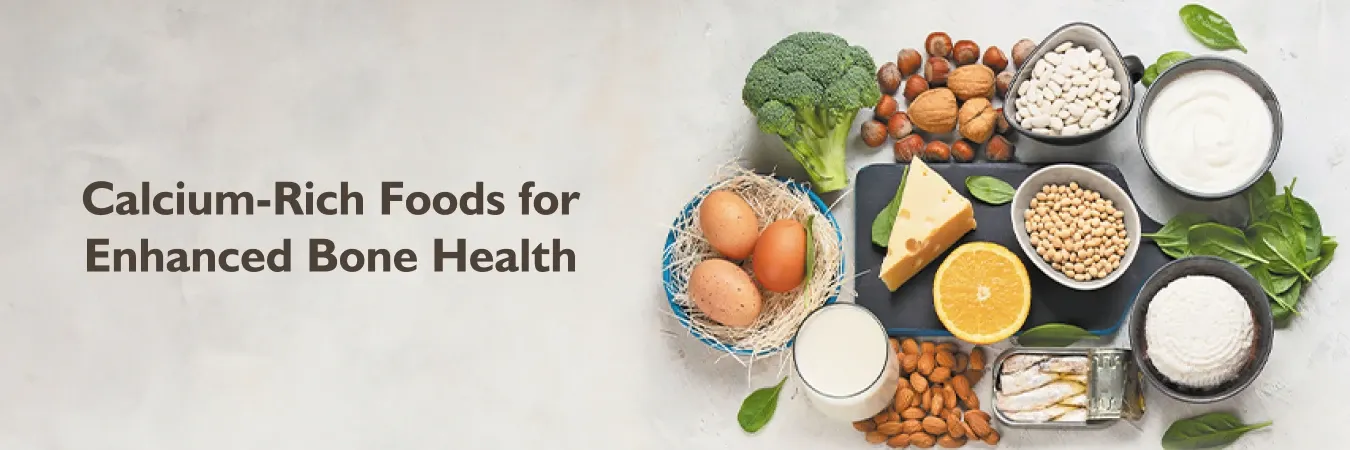
Calcium-Rich Foods for Enhanced Bone Health
Calcium, an essential mineral crucial for bone strength and overall health, can be obtained from a diverse range of food sources, encompassing both dairy and non-dairy options. In this in-depth article, we will explore foods rich in calcium and vitamin D, uncovering their benefits, diverse sources, and strategies to meet your daily calcium requirement without solely depending on dairy products. Let's unveil the best sources of calcium and absorption factors and address common queries related to calcium consumption.
The Significance of Calcium for Bone Health
Calcium plays a pivotal role in maintaining sturdy bones and teeth, supporting muscle function, nerve transmission, and cardiovascular well-being. Most adults require a daily calcium requirement of at least 1,300 mg, with specific groups such as adolescents, postmenopausal women, and older adults requiring higher quantities.
Premier Calcium-Rich Foods
- Dairy Selections: Dairy products like milk, cheese, and yoghurt are renowned for their calcium content. For instance, a cup of cow's milk provides 306–325 mg of calcium, while goat's milk offers 327 mg per cup. These are some of the best sources of calcium.
- Non-Dairy Alternatives: Numerous non-dairy foods serve as excellent calcium sources, including sesame seeds, chia seeds, poppy seeds, and dark leafy greens such as spinach and kale. These options are rich in calcium and vitamin D, offering additional nutrients like protein, fibre, and antioxidants.
- Seed Varieties: Seeds like sesame, chia, and poppy seeds are brimming with calcium. For instance, a tablespoon of poppy seeds contains 127 mg of calcium, while sesame seeds contribute 7% of the daily value in the same serving.
- Leafy Greens: Dark leafy greens such as spinach, kale, and collard greens are abundant in calcium and other vital nutrients. These vegetables are adaptable and can be included into a variety of dishes, making them excellent calcium-rich foods for bones.
- Nutritious Nuts: Almonds stand out as a notable calcium source, providing a wholesome and convenient snack option. Soaking almonds overnight or adding them to cereals are excellent ways to enjoy their benefits.
Calcium-Rich Indian Food
In Indian cuisine, there are many calcium-rich options, such as ragi (finger millet), tofu, chickpeas, and lentils. These foods provide ample calcium, making them integral to a balanced diet, especially for those looking for calcium-rich Indian food.
Daily Calcium Requirement and Absorption Factors
Meeting your daily calcium requirement is imperative for sustaining optimal bone health. The recommended daily intake for most adults is 1,300 mg, with variations based on specific age groups. Factors like vitamin D, magnesium, and sodium levels can influence calcium absorption, underscoring the significance of a well-rounded diet. Supplements can also be considered if dietary intake needs to be increased.
Conclusion
Incorporating calcium-rich foods into your daily dietary regimen is pivotal for fortifying bones, teeth, and overall health. Whether opting for dairy or non-dairy alternatives, ensuring adequate calcium intake through a diverse and balanced diet is paramount. By exploring a spectrum of calcium-rich foods and understanding absorption factors, you can bolster bone health and overall well-being effectively. Remember, calcium acquisition transcends dairy; it entails a holistic nutritional approach tailored to meet your body's requisites and foster optimal health.
Frequently Asked Questions
Foods rich in calcium include dairy products, seeds, leafy greens, nuts, and fortified items like orange juice and non-dairy milk.
Non-dairy sources such as sesame seeds, chia seeds, leafy greens, almonds, and beans offer ample calcium, ensuring a balanced intake without milk reliance.
Attaining a daily calcium intake of 1,300 mg is feasible through a diverse diet featuring calcium-rich foods like seeds, nuts, leafy greens, and fortified products.
Dairy products, seeds, and leafy greens are among the top calcium-rich foods, providing an array of nutrients alongside calcium for robust bones and overall health.
While bananas are not a primary source of calcium, they offer essential nutrients like potassium and fibre, rendering them a valuable addition to a well-rounded diet.
- Cardiology
- Case Studies
- Dermatology
- Endocrinology
- ENT
- Fertility
- Gastroenterology
- General
- General-Medicine
- Gynecology
- Hematology
- Infectious-Diseases
- Medical News
- Neurology
- Oncology
- Ophthalmology
- Orthopedics
- Pediatrics
- Procedure
- Public-Health
- Pulmonology
- Radiology
- Second Opinion
- Urology
- Wellness
- Woman-and-child
Related Blogs
Still have questions? Speak with our experts now!
040-68334455


