 Call
Call Patient Reports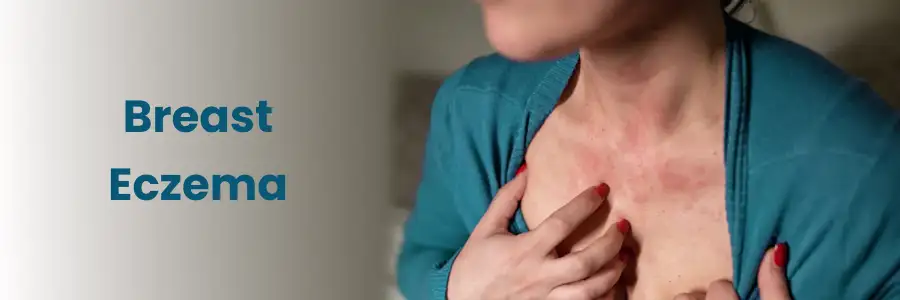
- 3512
- 3.5
Written by Medicover Team and Medically Reviewed by Dr Koppisetti Satya Naga Ravi Teja
Breast Eczema Symptoms and Conditions
Breast eczema is a type of skin inflammation that causes itching, redness, and irritation around or under the breasts. It can affect both men and women but is very common in women who are breastfeeding, have sensitive skin or are prone to other allergic conditions like asthma or hay fever. Though uncomfortable, breast eczema is manageable with the right care, treatment and lifestyle habits.
What is Breast Eczema?
Breast eczema refers to the inflammation of the skin on or around the breast area including the nipples, areola and the skin beneath the breasts. Irritants, allergens or moisture buildup often cause it. The condition can be chronic or occur due to heat, sweating, tight bras or harsh soaps.
It may appear as red, dry, flaky or itchy patches and can sometimes crack or ooze if not treated at the right time.
Get a second opinion from trusted experts and makeconfident, informed decisions.
Get Second OpinionNot sure where to start?
Talk to a patient care advisor — free, confidential, 24/7. We'll match you to the right specialist and book your appointment in minutes.
Causes of Breast Eczema
Breast eczema can occur because of various reasons like genetic, environmental and lifestyle factors. People with a history of eczema, asthma or allergies are more likely to develop it. Some of the most common causes include:
- Allergens and Irritants: Soaps, perfumes, laundry detergents or body lotions with harsh chemicals can irritate the delicate skin on and under the breasts.
- Sweat and Moisture: Excess sweat trapped under the breasts, especially in hot and humid climates, can lead to skin irritation and eczema flare-ups.
- Friction: Tight-fitting bras, rough fabrics or breast pads can rub against the skin and cause inflammation.
- Heat and Stress: Hot weather and emotional stress can both worsen eczema or trigger new outbreaks.
- Hormonal Changes: Hormonal shifts during menstruation, pregnancy or breastfeeding may contribute to skin sensitivity.
- Allergic Reactions: Certain foods, dust mites or pollen can act as triggers in individuals prone to allergic conditions.
Symptoms of Breast Eczema
If you think you might have breast eczema, it's important to know what signs to look out for. Here are some common symptoms you might experience:
- Itching: One of the main symptoms is constant itching, which can be really uncomfortable. If you scratch the area, it can make the problem worse and even lead to infections.
- Redness and Inflammation: The skin on and around your breasts may look red and puffy, which means it’s inflamed.
- Dry, Scaly Skin: You might notice that the skin in that area becomes very dry and flaky. In some cases, it can crack and bleed if it gets too bad.
- Rash: A rash can also appear as small bumps that might get infected if you scratch them too much.
Breast Eczema vs Other Conditions
It’s important to differentiate breast eczema from other similar-looking conditions, especially if symptoms don’t improve with usual skincare treatments.
Paget’s disease vs eczema
Paget’s disease of the breast is a rare type of breast cancer that also causes flaky, red skin on the nipple. However, it usually affects one nipple and may come with other signs like nipple discharge, a lump or changes in breast shape. If eczema treatment doesn’t help or symptoms persist on one nipple then medical treatment is required.
Yeast infections under the breast
Warm, moist areas under the breast can develop yeast infections, leading to red, itchy rashes with a distinct border or foul odor. Unlike eczema, these often respond well to antifungal treatments.
Mastitis, thrush, or dermatitis?
Breastfeeding mothers may experience mastitis, thrush or dermatitis. These can resemble eczema but often include swelling, pain or fever and may need different treatments.
How to Diagnose Breast Eczema
A dermatologist or general physician can usually diagnose breast eczema by examining the skin and discussing your symptoms. In some cases, they may:
- Ask about any allergies or previous eczema.
- Recommend a patch test to identify triggers.
- Rule out infections or Paget’s disease with a biopsy or swab test.
If you are breastfeeding, your doctor will also check for signs of mastitis or thrush.
Breast Eczema Treatment
Treatment focuses on relieving irritation, healing the skin and preventing flare-ups. Here are some common treatments:
- Topical steroids: These are gentle creams that help reduce swelling and relieve itching.
- Moisturisers: Using fragrance-free lotions or creams can help restore the skin’s natural barrier and keep it hydrated.
- Antihistamines: These medications can help to control itching, especially at night when it can be more bothersome.
- Barrier creams: These can protect the skin from sweat or rubbing, which may worsen the irritation.
- Antibiotics or antifungals: If there’s an infection as a result of the eczema, these medicines can help.
Always use medications under medical advice, especially while breastfeeding.
Home Remedies for Breast Eczema
If you're dealing with breast eczema, there are several simple and natural ways to help ease the discomfort:
- Cold compresses: Applying something cold to the affected area can help lessen itching and redness.
- Coconut oil or aloe vera: These natural products can keep your skin moisturized and reduce swelling.
- Oatmeal baths: Soaking in a bath with oatmeal can soothe itching and help soften your skin.
- Loose cotton clothing: Wearing loose-fitting cotton clothes can limit irritation from sweat and rubbing against the skin.
- Gentle soaps and detergents: It’s best to choose soaps and laundry detergents that are fragrance-free and do not contain harsh dyes.
Breastfeeding with Eczema
Is it safe to breastfeed?
Breastfeeding is safe even if you have breast eczema. However, if the nipple area is cracked or infected, it may be painful or pose a small risk of passing infection. Treat any open sores or signs of infection promptly with your doctor’s guidance.
Avoid using strong topical creams directly on the nipple before feeding unless your doctor confirms it’s safe.
Tips for comfort and skin healing
- Wash nipples gently with warm water only.
- Apply doctor-approved nipple creams or emollients after feeding.
- Let nipples air-dry after nursing.
- Use breast pads made from natural, breathable fabric.
- Ensure your baby latches properly to reduce friction.
If you notice worsening symptoms, consult a lactation consultant or dermatologist.
When to See a Doctor?
You should consult a doctor if:
- Symptoms persist or worsen despite home care
- There is nipple discharge, swelling or a lump.
- You suspect an infection or experience fever.
- You have a family or personal history of breast cancer.
- Only one nipple is affected or the symptoms look unusual.
Early medical advice can rule out other serious conditions and ensure proper treatment.
Your health is everything - prioritize your well-being today.
Schedule Your AppointmentConclusion
Breast eczema can be frustrating and uncomfortable, but it’s manageable with proper care, skincare habits and medical support. Recognising the symptoms early and distinguishing it from other breast conditions is key to finding relief. Whether you’re breastfeeding or not, gentle care, moisturization and awareness of triggers can go a long way in keeping your skin healthy and flare-ups under control.
Frequently Asked Questions
Yes, in some cases. Nipple eczema can resemble Paget’s disease of the breast, especially if there’s crusting, redness or itching. If symptoms persist or worsen, consult a doctor.
Eczema is usually dry, itchy and flaky. If the area becomes red, warm, swollen or starts oozing pus, it may be infected. Sudden pain or fever also suggests infection.
Not usually. It can flare and fade depending on triggers like irritation, allergies or hormone changes. With proper care, it’s manageable.
Yes, in many cases, it improves with moisturisers, topical steroids and avoiding irritants. Consistent skin care helps prevent recurrence.
Eczema itself isn’t dangerous, but ongoing or unusual symptoms should be checked to rule out other conditions like infection or rare forms of breast cancer.
- Cardiology
- Case Studies
- Dermatology
- Endocrinology
- ENT
- Fertility
- Gastroenterology
- General
- General-Medicine
- Gynecology
- Hematology
- Infectious-Diseases
- Medical News
- Neurology
- Oncology
- Ophthalmology
- Orthopedics
- Pediatrics
- Procedure
- Public-Health
- Pulmonology
- Radiology
- Second Opinion
- Urology
- Wellness
- Woman-and-child
Related Blogs
Still have questions? Speak with our experts now!
040-68334455


