 Call
Call Patient Reports
- Cardiology 84
- Dermatology 45
- Endocrinology 33
- ENT 16
- Fertility 190
- Gastroenterology 78
- General-Medicine 81
- Gynecology 80
- Hematology 19
- Infectious-Diseases 33
- Neurology 52
- Oncology 34
- Ophthalmology 23
- Orthopedics 69
- Pediatrics 31
- Procedure 23
- Public-Health 144
- Pulmonology 59
- Radiology 8
- Urology 68
- Wellness 161
- Woman-and-child 77
- 1758
- 3.7 Minute
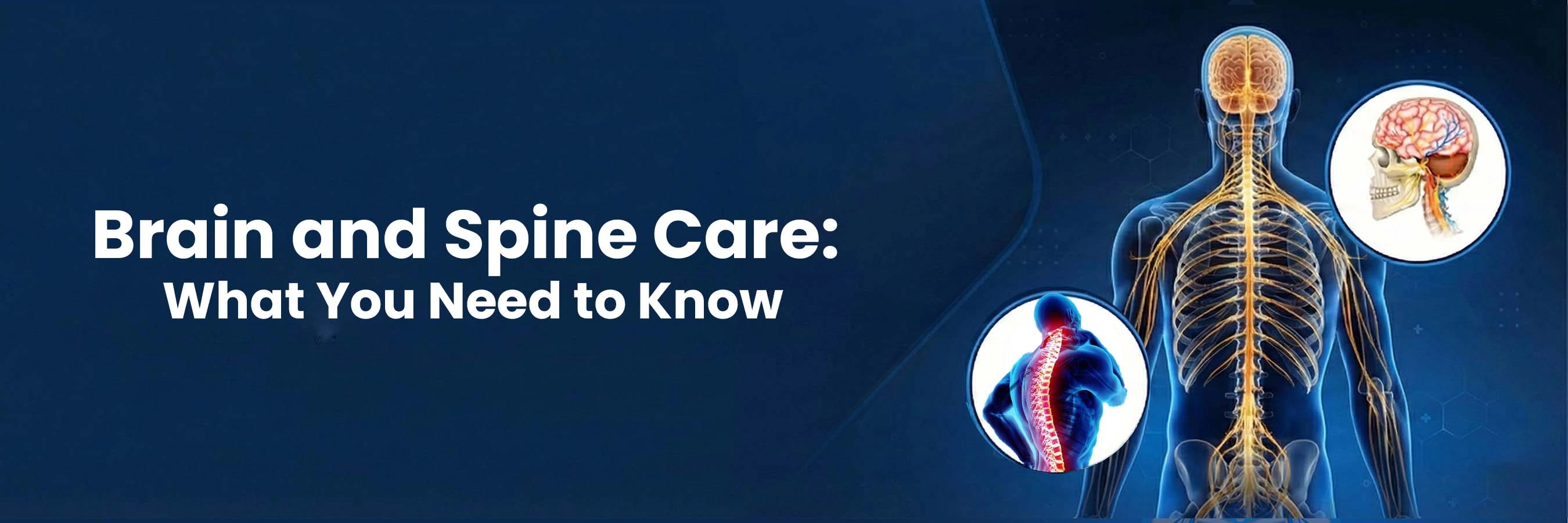
Brain and Spine Care: Diagnosis, Treatment and Recovery
Brain and spine care treatment involves the protection and treatment of the sensitive parts of the central nervous system, specifically, the brain, spinal cords, and nerves. These components are responsible for the regulation of crucial functions like the regulation of movements, sensations, balance, coordination, memory, among many other functions that are essential to survival.
Diseases of these parts may happen to every age group from children, and young adults to old persons. The quick discovery and the immediate provision of medical help are the factors that determine to a great extent the prevention of complications that last long, improvement of recovery and that the quality of life remains overall.
What Is Brain and Spine Care
Brain and spine care is a multidisciplinary hospital-centered practice which aims at the diagnosis, treatment and management of diseases involving the brain, the spinal cord and the nerves area. The nervous system parts under discussion are of prime importance because they take care of all the body's essential functions: movement, sensation, balance, coordination, etc.
The brain in its turn is responsible for memory and higher functions like thinking and decision making. The range of cases treated in the brain and spine care varies from acute problems like traumas, infections, and strokes to chronic diseases caused by nerve damage or aging-related decay which develop over a long period of time.
The purpose of brain and spinal care is more than just providing relief from symptoms. The focus is also on regaining lost function, reducing pain as much as possible, and overall improving the quality of life of the afflicted patient. This is made possible through proper diagnosis, medication management, surgical intervention in more complex situations where required, rehabilitation programs, and modification of personal lifestyle.
Get a second opinion from trusted experts and makeconfident, informed decisions.
Get Second OpinionNot sure where to start?
Talk to a patient care advisor — free, confidential, 24/7. We'll match you to the right specialist and book your appointment in minutes.
Symptoms That Should Not Be Ignored
Neurological symptoms can be subtle at first but may signal underlying issues that require attention. Some warning signs include:
- Persistent head pain linked to chronic headache causes,
- Ongoing or worsening back pain symptoms,
- Numbness or tingling in the limbs, especially if progressive,
- Frequent balance or coordination problems,
- Sudden changes such as sudden weakness on one side of the body,
- Signs related to spinal cord injury symptoms, including loss of sensation or mobility.
Ignoring these symptoms may delay diagnosis and affect treatment outcomes.
Common Conditions Affecting the Brain and Spine
Several conditions can disrupt normal nervous system function. Common examples include:
Understanding these conditions helps patients seek timely care and reduce the risk of complications.
Causes and Risk Factors
Brain and spine disorders commonly result from a combination of lifestyle choices, medical conditions, injuries, and aging. The case of such factors and the ones that augment the risk is known, thus, prevention can be early, diagnosis can be timely, and neurological complications can be reduced in the long run.
Traumatic injuries or accidents: Sudden injuries including accidents can expose the brain, spinal cord or nerves to direct harm and thus lead to long-term or short-term neurological complications that will need medical intervention.
Poor posture and sedentary lifestyle: A combination of constant sitting, body misalignment, and lack of exercise leads to severe stress on the spinal column and the nerves around it. As a result, there is a higher risk of chronic pain together with nerve compression.
Genetic predisposition and family history: It is highly probable that different genes influence neurological and spine disorders to various degrees. This implies that the patients at risk must be supervised carefully and given preventive treatments.
Age-related wear and tear: Getting older naturally might result in the spine undergoing physical changes little by little, thus becoming stiff, losing mobility, and developing degenerative conditions over a long period.
Chronic medical conditions: Suffering from diseases such as diabetes or hypertension can cause the dysfunction of nerve and blood supply thus increasing the risk of neurological problems.
Concentrating on taking brain care and health and adhering to the spine care best practices can decrease risk, help with the movement, and also prevent a number of brain and spine disorders.
How Brain and Spine Conditions Are Diagnosed
Accurate diagnosis is essential for effective treatment. Doctors may use a step-by-step evaluation process that includes:
- A detailed neurological examination to assess reflexes, strength, and coordination,
- Imaging tests such as MRI for brain and spine to visualize internal structures,
- Electrical studies like a nerve conduction study to evaluate nerve function,
- Tests such as EEG for brain activity to assess electrical signals,
- Advanced diagnostic imaging for the spine to identify structural abnormalities.
These tests help doctors understand what is causing the problem and how serious it is.
Treatment Options for Brain and Spine Conditions
Treatment depends on the diagnosis, severity, and overall health of the patient. Options may include:
Medical Management: Drugs are capable of controlling pain, reducing inflammation, stopping seizures, or relaxing muscles, at the same time they can be the support for neurological health and wellness.
Surgical Approaches: There are situations where the doctors need to plan carefully and perform neurosurgery procedures, among which minimally invasive spine surgery is the one aimed at reducing recovery time. Conservative measures are already ineffective, so advanced treatments such as brain tumor treatment and spinal decompression surgery are considered.
Rehabilitation and Recovery: Healing after treatment frequently requires neurorehabilitation, which is a method of restoring strength, mobility, and independence, and taking care of the nervous system during the healing process.
Prevention and Long-Term Care
Preventive strategies play a key role in reducing neurological risks and maintaining function. These may include:
- Adopting preventive brain care habits such as regular health screenings,
- Practicing exercises for spine health under professional guidance,
- Making lifestyle changes for neurological wellness, including balanced nutrition and stress management
- Maintaining proper posture and spine health during daily activities
Such measures support long-term neurological care and overall well-being.
When to See a Doctor
Getting medical help at the right time is very important when signs of nervous system diseases start to affect the daily life of a person or get worse with time. Never ignore signs of nervous system disease that are lasting or getting worse, especially when there are sudden changes in movement, talking, or seeing, because these may be symptoms of really serious hidden conditions.
Besides, very strong pain that stops a person from doing his daily activities, together with loss of balance, coordination, or feeling, is also something that needs to be checked out immediately.
An early medical check-up enables the doctors to locate the problem correctly and start the proper treatment timely. The doctors' care coming in at the right time can stop the development of neurological disorders, lower the chances of complications, and remarkably enhance the recovery outcomes and the overall quality of life.
It is crucial to give prompt medical attention to neurological symptoms and carry out appropriate medical evaluation, as these measures are the keys to keeping the brain and the nerves alive and healthy. The early detection of warning signs allows the physician to recognize that certain conditions exist and to intervene effectively and thus reduce the chance of complications in the future.
In addition to this, patients who are well-informed about their condition are in a better position to make decisions regarding their treatment if they confer with their doctors at the right time.
Patients consulting a neurosurgeon in Hyderabad at Medicover Hospitals for expert opinion or considering treatment with top neurosurgeons in Hyderabad can benefit from early consultation and a personalized approach to care. Customized treatment plans not only concentrate on medical intervention, but also include recovery, rehabilitation and continuous monitoring, which results in achieving better clinical outcomes and supports the long term health of the nervous system.
Your health is everything - prioritize your well-being today.
Schedule Your AppointmentFrequently Asked Questions
Brain and spine care involves the diagnosis, treatment, and prevention of problems affecting the brain, spinal cord, and nerves. It helps maintain healthy nerve function and improves overall quality of life.
A consultation is recommended when symptoms such as persistent headaches, severe back pain, weakness, or nerve-related issues do not improve with basic treatment.
Key factors include specialist expertise, advanced diagnostics, and comprehensive rehabilitation support. Medicover Hospitals offers complete care across all stages of neurological treatment and recovery.
Accurate diagnosis depends on advanced imaging and neurological evaluations. Medicover Hospitals offers modern diagnostic facilities to support timely and effective neurological care.
Diagnosis typically involves clinical evaluation, imaging studies, and specialized tests to assess brain and nerve function. This approach helps identify the cause and guide precise treatment planning.
Yes, Early diagnosis and timely intervention can slow disease progression, reduce complications, and improve long-term recovery in many neurological conditions.
- Cardiology
- Case Studies
- Dermatology
- Endocrinology
- ENT
- Fertility
- Gastroenterology
- General
- General-Medicine
- Gynecology
- Hematology
- Infectious-Diseases
- Medical News
- Neurology
- Oncology
- Ophthalmology
- Orthopedics
- Pediatrics
- Procedure
- Public-Health
- Pulmonology
- Radiology
- Second Opinion
- Urology
- Wellness
- Woman-and-child
Related Blogs
Still have questions? Speak with our experts now!
040-68334455


