 Call
Call Patient Reports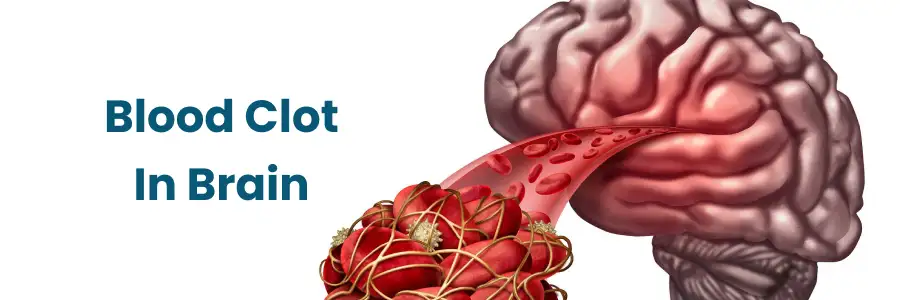
- 3759
- 3.5 Minute
Blood Clot in Brain: Symptoms, Risks, and Treatments
Are you experiencing sudden and severe headaches, difficulty speaking, or weakness in your arms or legs? These could be signs of a blood clot in your brain. How does this condition impact your daily life and what can you do about it?
Get a second opinion from trusted experts and makeconfident, informed decisions.
Get Second OpinionNot sure where to start?
Talk to a patient care advisor — free, confidential, 24/7. We'll match you to the right specialist and book your appointment in minutes.
Symptoms of Brain Blood Clot
A blood clot in the brain, also known as a cerebral thrombosis, can manifest in various ways. Some common symptoms include:
- Severe headaches that come on suddenly
- Weakness or paralysis in the face, arm, or leg, typically on one side of the body
- Trouble speaking or understanding speech
- dizziness or loss of balance
If you experience any of these symptoms, especially if they appear suddenly, it is crucial to seek immediate medical attention.
Causes of Blood Clot in Brain
What leads to the formation of a blood clot in the brain? Several factors can contribute to this dangerous condition, including:
- atrial fibrillation (an irregular heart rhythm)
- high blood pressure
- Smoking
- Obesity
Understanding these risk factors can help in the prevention of blood clots in the brain.
Diagnosing a Blood Clot in the Brain
How do healthcare professionals diagnose a blood clot in the brain? Diagnosis usually involves a combination of imaging tests, such as CT scans or MRIs, and assessing the patient's symptoms. Early detection is crucial for initiating prompt treatment.
In some cases, a lumbar puncture may be performed to analyze the cerebrospinal fluid for signs of bleeding or infection.
Treatment for Brain Blood Clots
What are the treatment options available for individuals with a blood clot in the brain? The approach to treatment may include:
- Medications to thin the blood and prevent further clotting
- Surgery to remove the clot if necessary
- Physical therapy to regain strength and mobility after treatment
It is essential to follow the healthcare provider's recommendations closely to ensure the best possible outcome.
Recovery from Brain Blood Clot
Recovering from a blood clot in the brain can be a challenging journey. The process may involve:
- Physical therapy to regain motor skills
- Speech therapy to address any language difficulties
- Regular follow-up appointments with healthcare providers
With proper care and rehabilitation, many individuals can make significant strides in their recovery.
Your health is everything - prioritize your well-being today.
Schedule Your AppointmentConclusion
In conclusion, recognizing the symptoms of a blood clot in the brain, understanding its causes, seeking timely diagnosis, and following the appropriate treatment plan are crucial steps in managing this serious condition. By being proactive about your brain health and addressing any potential risk factors, you can reduce the likelihood of experiencing a blood clot in the brain and improve your overall quality of life.
Frequently Asked Questions
Yes, a brain blood clot can block blood flow, leading to an ischemic stroke. Immediate medical attention is crucial to prevent severe damage.
Small clots may dissolve naturally with the body's mechanisms, but larger ones usually require medical treatment. Blood thinners or clot-busting drugs may be needed.
Surgery is needed in severe cases where medications are ineffective. Procedures like thrombectomy or decompressive surgery may be performed.
Yes, blood clots in the brain can be prevented through lifestyle changes, medication, and regular medical check-ups.
Survival rates vary based on clot size, location, and treatment speed. Early intervention improves outcomes, with some cases having a 70-80% survival rate.
- Cardiology
- Case Studies
- Dermatology
- Endocrinology
- ENT
- Fertility
- Gastroenterology
- General
- General-Medicine
- Gynecology
- Hematology
- Infectious-Diseases
- Medical News
- Neurology
- Oncology
- Ophthalmology
- Orthopedics
- Pediatrics
- Procedure
- Public-Health
- Pulmonology
- Radiology
- Second Opinion
- Urology
- Wellness
- Woman-and-child
Related Blogs
Still have questions? Speak with our experts now!
040-68334455


