 Call
Call Patient Reports
- Cardiology 84
- Dermatology 45
- Endocrinology 33
- ENT 16
- Fertility 190
- Gastroenterology 78
- General-Medicine 81
- Gynecology 80
- Hematology 19
- Infectious-Diseases 33
- Neurology 52
- Oncology 34
- Ophthalmology 23
- Orthopedics 69
- Pediatrics 31
- Procedure 23
- Public-Health 144
- Pulmonology 59
- Radiology 8
- Urology 68
- Wellness 161
- Woman-and-child 77
- 3759
- 3.5 Minute
Benefits of Sunscreen for Dry Skin
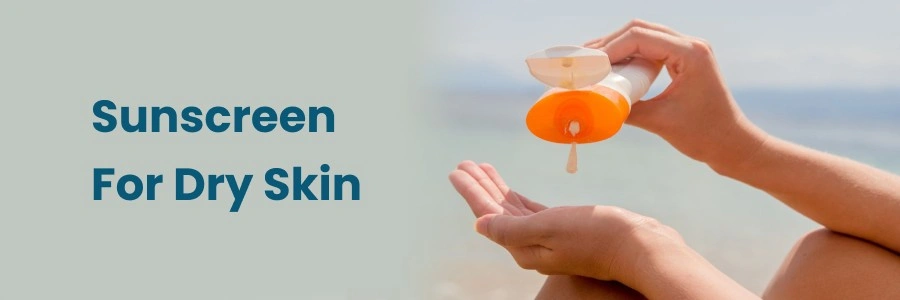
Finding the best sunscreen for dry skin can be a challenge. Dry skin needs special care, and using the wrong type of sunscreen can make it even drier and more uncomfortable. Many people with dry skin struggle to find products that provide adequate protection without exacerbating their skin's condition. In this article, we'll cover the best options for hydrating sunscreens, key ingredients to look for, and how to apply sunscreen on dry skin effectively. Understanding these elements can make a significant difference in how your skin feels and looks after sun exposure.
Sunscreen is not just a seasonal necessity; it should be a year-round commitment, especially for those with dry skin. Sun exposure can further dehydrate your skin, leading to increased dryness, flakiness, and even eczema flare-ups. Therefore, selecting the right sunscreen is crucial not only for UV protection but also for maintaining your skin's moisture balance. With the right knowledge and products, you can keep your skin protected and hydrated without feeling greasy or heavy.
Get a second opinion from trusted experts and makeconfident, informed decisions.
Get Second OpinionNot sure where to start?
Talk to a patient care advisor — free, confidential, 24/7. We'll match you to the right specialist and book your appointment in minutes.
Why Sunscreen is Important for Dry Skin
Sunscreen is essential for all skin types, but it's especially important for dry skin. Dry skin is often more sensitive and prone to irritation, making it more vulnerable to the harmful effects of UV rays. Prolonged exposure without protection can lead to skin damage, such as sunburn, premature aging, and an increased risk of skin cancer. Using a sunscreen designed for dry skin can help protect against sun damage while also providing much-needed hydration.
Benefits of Sunscreen
- Protection from UV Rays: The primary benefit of any sunscreen is protection against harmful UV rays. This helps to prevent sunburn, premature aging, and skin cancer. For dry skin, which may already have a compromised barrier, this protection is even more crucial to prevent further damage.
- Hydration: Sunscreen formulated for dry skin often contains moisturizing ingredients that help to hydrate the skin. These sunscreens not only protect against UV rays but also help to maintain moisture levels, preventing the skin from becoming even drier.
- Barrier Protection: It can act as a barrier to protect dry skin from environmental factors like wind and pollution that can further dry it out. By forming a protective layer on the skin's surface, these sunscreens can help lock in moisture, keeping the skin supple and less prone to irritation.
Key Ingredients to Look For
When choosing the best sunscreen for dry skin, it's important to look for specific hydrating ingredients that can help to keep your skin moisturized throughout the day. These ingredients not only provide hydration but also ensure that the sunscreen is gentle and effective for sensitive skin.
Hydrating Ingredients
- Hyaluronic Acid: Known for its ability to hold up to 1,000 times its weight in water, hyaluronic acid is excellent for providing deep hydration. It attracts moisture from the environment and binds it to the skin, ensuring long-lasting hydration without a greasy feeling.
- Glycerin: A humectant that draws moisture into the skin, glycerin is another great ingredient for dry skin. It helps to retain moisture and improve skin smoothness, making it an ideal choice for those with flaky or rough patches.
- Ceramides: These help to restore the skin barrier and lock in moisture. Ceramides are naturally found in the skin, and their inclusion in sunscreen can help reinforce the skin's natural barrier, preventing water loss and keeping the skin hydrated.
- Aloe Vera: Soothing and hydrating, aloe vera can help to calm and moisturize dry, irritated skin. Its anti-inflammatory properties also make it a great addition for those with sensitive skin or conditions like eczema.
Ingredients to Avoid
- Alcohol: Can be very drying and irritating to the skin. Alcohol-based sunscreens can strip the skin of its natural oils, exacerbating dryness and leading to flakiness.
- Fragrance: Often a culprit for irritation, especially for sensitive, dry skin. Fragrances can cause allergic reactions or irritation, making them best avoided in products for dry skin.
- Oxybenzone: Some people find this chemical sunscreen ingredient irritating. It can cause allergic reactions and is best avoided for those with sensitive or compromised skin barriers.
How to Apply Sunscreen on Dry Skin
Applying sunscreen correctly is crucial to ensure you get the full protective benefits. Here are some tips to help you apply sunscreen effectively on dry skin. Proper application not only ensures effective protection but also enhances the hydrating benefits of your sunscreen.
Steps to Apply Sunscreen
- Start with Clean Skin: Make sure your skin is clean and dry before applying sunscreen. Cleansing removes any impurities or oils that may prevent the sunscreen from adhering properly to the skin.
- Moisturize First: Apply a good moisturizer first to hydrate your skin. This helps create a smooth base for the sunscreen. A well-moisturized base can enhance the absorption of sunscreen, ensuring even coverage and better protection.
- Apply Sunscreen Generously: Use about a teaspoon of sunscreen for your face and a shot glass amount for your body. Don't forget areas like your ears, neck, and the back of your hands. Generous application is key to achieving the SPF protection stated on the label.
- Reapply Every Two Hours: Sunscreen wears off, especially if you're sweating or swimming. Reapply every two hours or immediately after towel drying. Frequent reapplication ensures continuous protection, especially during prolonged sun exposure.
Additional Tips
- Use a Hydrating Mist: Throughout the day, use a hydrating mist to keep your skin moisturized. This can refresh your skin and enhance the effectiveness of your sunscreen.
- Choose a Sunscreen with Added Moisturizers: Look for sunscreens that have additional moisturizing ingredients to keep your skin hydrated. Products with added emollients can provide an extra layer of moisture, reducing the need for additional skincare products.
Your health is everything - prioritize your well-being today.
Schedule Your AppointmentConclusion
Choosing the right sunscreen for dry skin can make a significant difference in both protecting your skin from harmful UV rays and keeping it hydrated. Look for sunscreens with hydrating ingredients like hyaluronic acid, glycerin, and aloe vera, and avoid those with drying ingredients like alcohol and fragrance. By following the tips on how to apply sunscreen effectively, you can keep your dry skin healthy and protected all year round.
Frequently Asked Questions
The best sunscreen for dry skin should be hydrating and include moisturizing ingredients to prevent skin dryness.
Look for cream-based sunscreens with ingredients like hyaluronic acid or glycerin for added moisture.
A minimum SPF of 30 is advisable for effective sun protection.
Apply generously to clean, dry skin and reapply every two hours for optimal protection.
Sunscreen protects against UV damage and helps maintain skin hydration, preventing premature aging.
- Cardiology
- Case Studies
- Dermatology
- Endocrinology
- ENT
- Fertility
- Gastroenterology
- General
- General-Medicine
- Gynecology
- Hematology
- Infectious-Diseases
- Medical News
- Neurology
- Oncology
- Ophthalmology
- Orthopedics
- Pediatrics
- Procedure
- Public-Health
- Pulmonology
- Radiology
- Second Opinion
- Urology
- Wellness
- Woman-and-child
Related Blogs
Still have questions? Speak with our experts now!
040-68334455


