 Call
Call Patient Reports
- Cardiology 84
- Dermatology 45
- Endocrinology 33
- ENT 16
- Fertility 190
- Gastroenterology 78
- General-Medicine 81
- Gynecology 80
- Hematology 19
- Infectious-Diseases 33
- Neurology 52
- Oncology 34
- Ophthalmology 23
- Orthopedics 69
- Pediatrics 31
- Procedure 23
- Public-Health 144
- Pulmonology 59
- Radiology 8
- Urology 68
- Wellness 161
- Woman-and-child 77
- 3759
- 3.5 Minute
Natural Beauty: Honey's Skin Benefits
Honey has been a beloved natural remedy for centuries. From its use in ancient medicine to being a staple in modern skincare routines, honey offers numerous benefits for the skin. Its versatility and effectiveness have made it a favorite among natural beauty enthusiasts. In this article, we'll explore the many ways honey can enhance your skincare regimen and why it's worth incorporating into your daily routine.
Honey, a sweet and sticky substance produced by bees, is rich in antioxidants, vitamins, and minerals. These components are not only beneficial when consumed but also when applied topically to the skin. Its unique properties make it an excellent choice for those looking to improve their skin health naturally. Let's dive into the specific benefits and uses of honey in skincare.
Get a second opinion from trusted experts and makeconfident, informed decisions.
Get Second OpinionNot sure where to start?
Talk to a patient care advisor — free, confidential, 24/7. We'll match you to the right specialist and book your appointment in minutes.
Honey as a Natural Moisturizer
One of the primary benefits of honey is its ability to act as a natural moisturizer. Honey is a humectant, which means it helps retain moisture in the skin. When applied to the skin, honey attracts water molecules from the air and locks them into your skin, keeping it hydrated and supple. This ability to draw moisture makes it ideal for those with dry or sensitive skin.
Moreover, unlike many commercial moisturizers that contain synthetic chemicals, honey is completely natural and free from additives. This makes it a safer option for people with sensitive skin or allergies. The moisturizing effect of honey can be enhanced when combined with other natural ingredients, allowing for a tailored skincare approach that meets individual needs.
How to Use Honey as a Moisturizer
To use honey as a moisturizer, simply apply a thin layer of raw honey to your face. Leave it on for about 20 minutes, then rinse it off with warm water. You'll notice your skin feeling softer and more hydrated immediately. Incorporate this simple step into your nighttime routine for best results, as it allows the skin to absorb the moisture without the interference of makeup or environmental factors.
For those looking for a deeper moisturizing effect, consider mixing honey with a few drops of coconut oil or olive oil before applying. These oils are known for their hydrating properties and can complement the benefits of honey, resulting in even softer skin. Regular use of honey as a moisturizer can lead to visibly improved skin texture and hydration.
Benefits of Honey on Face
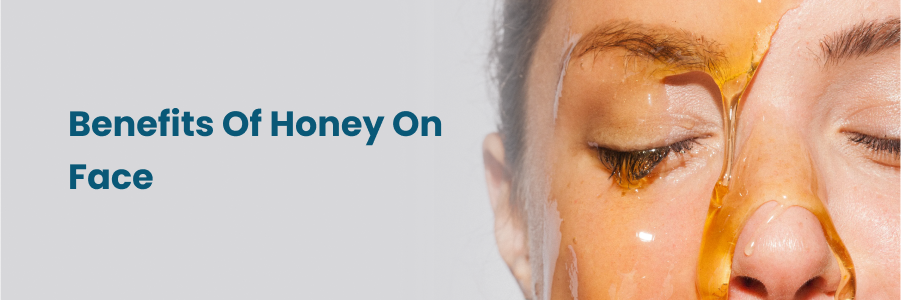
Honey is packed with antioxidants, vitamins, and minerals that are beneficial for the skin. Applying honey to your face can help improve your complexion, reduce the appearance of blemishes, and give your skin a healthy glow. Its natural antibacterial properties also help to cleanse the skin, reducing the occurrence of acne and other skin issues.
Furthermore, honey's anti-inflammatory properties can help to calm irritated skin and reduce redness, making it a great option for those with sensitive skin or conditions like rosacea. The nutrients in honey can also help to nourish and rejuvenate the skin, promoting a more youthful appearance.
Honey for Glowing Skin
The enzymes in honey help to cleanse the skin, remove dead skin cells, and reveal a brighter, more radiant complexion. For a simple glow-boosting mask, mix one tablespoon of honey with one teaspoon of lemon juice. Apply the mixture to your face and leave it on for 15-20 minutes before rinsing off with warm water. This mask can help to even out skin tone and add a natural radiance.
In addition to lemon juice, other ingredients like turmeric or milk can be added to the honey mask to enhance its glow-boosting properties. Turmeric has natural anti-inflammatory and brightening properties, while milk can help to gently exfoliate the skin. Experimenting with these combinations can provide customized solutions for achieving glowing skin.
Honey for Skin Hydration
Keeping your skin hydrated is crucial for maintaining its health and elasticity. Honey's natural humectant properties make it an excellent choice for skin hydration. By drawing moisture into the skin, honey helps to maintain a healthy balance and prevent dryness, which can lead to irritation and premature aging.
In addition to its hydrating properties, honey also helps to strengthen the skin barrier, making it more resilient to environmental stressors. This can be particularly beneficial for those living in harsh climates or with skin conditions that compromise the skin's natural barrier.
Hydrating Honey Mask
For an extra hydrating mask, combine one tablespoon of honey with one tablespoon of yogurt. The lactic acid in yogurt helps to exfoliate the skin, while honey provides deep hydration. Apply the mixture to your face, leave it on for 15-20 minutes, and then rinse off with warm water. This mask is perfect for a weekly hydrating treatment that leaves the skin feeling soft and replenished.
Additionally, adding a few drops of essential oils such as lavender or chamomile can enhance the mask's soothing properties. These oils not only provide a calming aroma but also contribute to the overall hydration and nourishment of the skin. Regular use of this hydrating mask can help maintain optimal skin moisture levels.
Anti-Aging Benefits of Honey
Aging is a natural process, but honey can help slow down the signs of aging. Honey's antioxidants help to neutralize free radicals, which can cause skin damage and accelerate aging. These antioxidants also promote collagen production, which is essential for maintaining skin elasticity and firmness.
In addition to its antioxidant properties, honey can help to improve skin texture and tone, reducing the appearance of fine lines and wrinkles. Its natural ability to retain moisture also contributes to a more youthful appearance by keeping the skin plump and hydrated.
Honey and Anti-Aging Mask
To create an anti-aging mask, mix one tablespoon of honey with one egg white. Egg whites are rich in proteins that help to tighten and firm the skin. Apply the mixture to your face, leave it on for 15-20 minutes, and then rinse off with warm water. This mask can be used once a week to maintain skin elasticity and reduce the appearance of fine lines.
For an added boost, consider incorporating a few drops of vitamin E oil into the mask. Vitamin E is a powerful antioxidant that works synergistically with honey to enhance its anti-aging effects. This combination can help to protect the skin from environmental damage and promote a youthful glow.
Honey for Soothing Skin Irritation
Honey has natural anti-inflammatory and antibacterial properties, making it an effective remedy for soothing skin irritation. Whether you have sunburn, eczema, or simply sensitive skin, honey can help calm and heal your skin. Its gentle nature makes it suitable for all skin types, including those prone to irritation.
In addition to its soothing properties, honey can also help to accelerate the healing process of minor wounds and cuts. Its antibacterial properties prevent infection, while its moisturizing effect promotes faster skin repair.
Honey and Aloe Vera for Irritated Skin
Combine one tablespoon of honey with one tablespoon of aloe vera gel. Aloe vera is known for its soothing properties, and when combined with honey, it creates a powerful remedy for irritated skin. Apply the mixture to the affected area and leave it on for 20 minutes before rinsing off. This combination can be particularly effective for sunburned skin or areas prone to redness.
For chronic skin conditions like eczema, consider adding a few drops of calendula oil to the honey and aloe vera mixture. Calendula has anti-inflammatory properties that can further soothe and heal irritated skin. Regular application can help to reduce flare-ups and maintain skin comfort.
Honey and Acne Treatment
Acne can be frustrating and challenging to manage, but honey can help. Its antibacterial properties help to fight acne-causing bacteria, while its anti-inflammatory properties reduce redness and swelling. Honey can also help to prevent future breakouts by maintaining a healthy skin balance.
Moreover, honey's gentle nature makes it an excellent choice for those with sensitive skin who may not tolerate harsher acne treatments. Its natural ingredients work without stripping the skin of its natural oils, preventing dryness and irritation.
Honey and Cinnamon Acne Mask
Mix one tablespoon of honey with one teaspoon of cinnamon. Cinnamon has antimicrobial properties that complement honey's acne-fighting abilities. Apply the mixture to your face, leave it on for 10-15 minutes, and then rinse off with warm water. Use this mask once or twice a week for the best results. This combination can help to clear existing blemishes and prevent new ones from forming.
For additional acne-fighting power, consider adding a few drops of tea tree oil to the honey and cinnamon mask. Tea tree oil is known for its strong antibacterial properties and can help to enhance the mask's effectiveness. Consistent use can lead to clearer, healthier skin.
Honey as an Exfoliant
Exfoliating your skin is essential for removing dead skin cells and promoting cell turnover. Honey's natural enzymes make it a gentle and effective exfoliant. Regular exfoliation with honey can help to unclog pores, reduce blackheads, and leave the skin feeling smooth and refreshed.
In addition to its exfoliating properties, honey also provides hydration during the exfoliation process. This dual action ensures that the skin remains nourished and balanced, preventing the dryness that can occur with harsher exfoliants.
Honey and Sugar Scrub
To make a honey and sugar scrub, combine one tablespoon of honey with one tablespoon of brown sugar. Gently massage the mixture onto your face in circular motions, focusing on any areas with dry or flaky skin. Rinse off with warm water to reveal smooth, refreshed skin. This scrub can be used once a week to maintain a healthy, radiant complexion.
For a more luxurious experience, consider adding a few drops of vanilla extract or a pinch of cinnamon to the scrub. These additions not only enhance the sensory experience but also provide additional skin benefits. Regular use of this scrub can help to maintain clear, glowing skin.
Honey for Reducing Scars
Scars can be a source of insecurity for many people, but honey can help reduce their appearance. Its natural healing properties promote tissue regeneration and can help fade scars over time. Honey's moisturizing effect also helps to soften the skin, making scars less noticeable.
Additionally, honey's gentle nature makes it suitable for use on all skin types, including those with sensitive skin. Its natural ingredients work without causing irritation, making it a safe option for scar treatment.
Honey and Lemon Scar Treatment
Mix one tablespoon of honey with one teaspoon of lemon juice. Lemon juice is a natural bleaching agent that can help lighten scars. Apply the mixture to the scarred area and leave it on for 15-20 minutes before rinsing off. Use this treatment regularly to see gradual improvement. This combination can help to even out skin tone and improve the overall appearance of scars.
For enhanced results, consider adding a few drops of rosehip oil to the honey and lemon mixture. Rosehip oil is known for its regenerative properties and can help to further reduce the appearance of scars. Consistent use of this treatment can lead to smoother, more even skin.
Incorporating Honey into Your Daily Routine
Honey is a versatile ingredient that can be easily incorporated into your daily skincare routine. Whether you're using it as a moisturizer, mask, or spot treatment, honey's natural properties can help improve your skin's health and appearance. Its affordability and accessibility make it an attractive option for those looking to enhance their skincare regimen naturally.
In addition to its standalone benefits, honey can also be combined with other natural ingredients to create customized skincare solutions. Experimenting with different combinations can help to address specific skin concerns and achieve desired results.
Your health is everything - prioritize your well-being today.
Schedule Your AppointmentTips for Using Honey in Skincare
- Always use raw, unprocessed honey for the best results.
- Patch test any honey-based treatments on a small area of your skin before applying them to your face.
- Be consistent with your honey treatments to see the best results.
- Consider combining honey with other natural ingredients like oils, fruits, or herbs to enhance its benefits.
- Store honey in a cool, dry place to maintain its quality and effectiveness.
Conclusion
Honey is a natural, effective, and affordable way to enhance your skincare routine. From moisturizing and hydrating to fighting acne and reducing scars, honey offers a wide range of benefits for the skin. By incorporating honey into your daily regimen, you can achieve healthier, glowing skin naturally. Its gentle nature and versatility make it suitable for all skin types, making it a valuable addition to any skincare routine.
So why not give honey a try? Your skin will thank you for it! With regular use, you'll be able to experience the numerous benefits of this age-old remedy and enjoy healthier, more radiant skin.
Frequently Asked Questions
Honey is a natural moisturizer with various skin benefits, including hydration and acne treatment.
Honey retains moisture, making it an effective natural moisturizer for dry skin.
Its antibacterial properties can help reduce acne and prevent breakouts.
Honey's antioxidants can help combat signs of aging, promoting a youthful appearance.
Honey can gently exfoliate the skin, helping to remove dead skin cells for a brighter complexion.
- Cardiology
- Case Studies
- Dermatology
- Endocrinology
- ENT
- Fertility
- Gastroenterology
- General
- General-Medicine
- Gynecology
- Hematology
- Infectious-Diseases
- Medical News
- Neurology
- Oncology
- Ophthalmology
- Orthopedics
- Pediatrics
- Procedure
- Public-Health
- Pulmonology
- Radiology
- Second Opinion
- Urology
- Wellness
- Woman-and-child
Related Blogs
Still have questions? Speak with our experts now!
040-68334455


