 Call
Call Patient Reports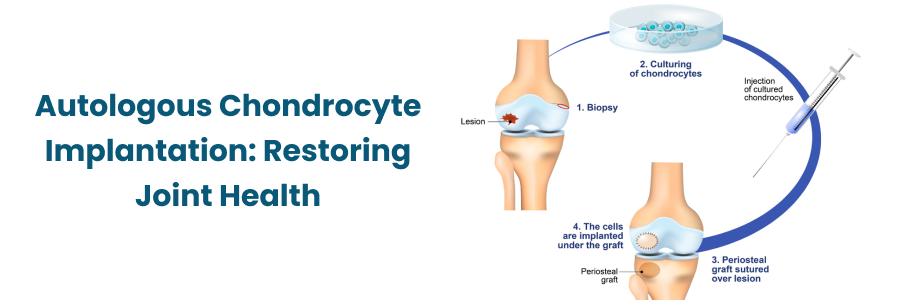
- 3759
- 3.5 Minute
Autologous Chondrocyte Implantation for Joint Health
Are you struggling with joint pain that limits your daily activities? Do simple tasks like walking or climbing stairs cause you discomfort? Autologous chondrocyte implantation may offer you a solution to restore your joint health and improve your quality of life.
Autologous chondrocyte implantation is a cutting-edge procedure that aims to repair cartilage damage and promote joint regeneration. This innovative approach involves harvesting healthy cartilage cells from the patient's own body and implanting them into the damaged joint, facilitating the growth of new cartilage tissue.
Get a second opinion from trusted experts and makeconfident, informed decisions.
Get Second OpinionNot sure where to start?
Talk to a patient care advisor — free, confidential, 24/7. We'll match you to the right specialist and book your appointment in minutes.
Joint Regeneration Therapy
Joint regeneration therapy, such as autologous chondrocyte implantation, focuses on stimulating the body's natural healing processes to repair cartilage damage. By harnessing the regenerative potential of the patient's own cells, this therapy aims to restore joint function and alleviate pain.
- Promotes the growth of new, healthy cartilage tissue
- Minimizes the risk of rejection or complications
- Enhances long-term joint health and function
Overall, joint regeneration therapy offers a promising solution for individuals seeking a sustainable approach to treating cartilage damage and joint degeneration.
Autologous Cell Therapy
Autologous cell therapy, such as autologous chondrocyte implantation, utilizes the patient's own cells to promote tissue repair and regeneration. By isolating and implanting healthy chondrocytes into the damaged joint, this therapy aims to kickstart the healing process and restore cartilage function.
- Customized treatment using the patient's own cells
- Potential for enhanced healing and tissue integration
- Reduces the risk of immune rejection or adverse reactions
Autologous cell therapy represents a personalized and effective approach to addressing cartilage damage and supporting joint health.
Knee Cartilage Implantation
Knee cartilage implantation is a specialized form of autologous chondrocyte implantation that targets cartilage defects in the knee joint. By precisely implanting healthy chondrocytes into the damaged knee cartilage, this procedure aims to restore the structural integrity of the joint and improve mobility.
- Specifically tailored for knee cartilage repair
- Enhances joint stability and functionality
- May delay or prevent the progression of osteoarthritis
Individuals suffering from knee cartilage damage can benefit significantly from this targeted approach to joint repair and restoration.
ACI Surgery Benefits
Autologous chondrocyte implantation (ACI) surgery offers a range of benefits for patients dealing with cartilage damage and joint issues. By promoting the growth of new cartilage tissue and restoring joint function, ACI surgery can lead to improved mobility and reduced pain levels.
- Long-lasting results with potential for durable cartilage repair
- Customized treatment based on individual patient needs
- Enhanced joint stability and range of motion
ACI surgery provides a valuable treatment option for individuals seeking long-term relief from cartilage damage and associated joint symptoms.
Cartilage Damage Recovery
Cartilage damage recovery is a critical aspect of joint health and function, particularly for individuals experiencing pain and limited mobility. Through innovative techniques like autologous chondrocyte implantation, it is possible to support cartilage repair and facilitate the regeneration of healthy joint tissue.
- Accelerates the healing process for cartilage injuries
- Promotes the restoration of joint function and mobility
- May prevent the need for more invasive treatments in the future
Investing in cartilage damage recovery through advanced therapies can help individuals regain control over their joint health and overall well-being.
Your health is everything - prioritize your well-being today.
Schedule Your AppointmentConclusion
In conclusion, autologous chondrocyte implantation offers a promising avenue for restoring joint health and addressing cartilage damage. Through approaches like joint regeneration therapy, autologous cell therapy, knee cartilage implantation, and ACI surgery, individuals can benefit from personalized and effective solutions to improve their quality of life. By prioritizing cartilage damage recovery and investing in innovative joint repair techniques, patients can take proactive steps towards long-term joint health and mobility.
Frequently Asked Questions
Autologous Chondrocyte Implantation (ACI) has a success rate of 70–90%, depending on factors like age, defect size, and rehabilitation. Long-term outcomes are generally positive for suitable candidates.
Individuals with cartilage damage who have not responded well to conservative treatments may be good candidates for Autologous Chondrocyte Implantation.
No, ACI is most effective for focal cartilage defects in the knee. It is not ideal for widespread osteoarthritis or severe joint damage.
Yes, there are risks associated with ACI, such as infection, graft failure, and potential joint stiffness. It's crucial to discuss these with your healthcare provider.
Recovery time from Autologous Chondrocyte Implantation varies but typically ranges from 6 months to a year, depending on individual healing and rehabilitation progress.
- Cardiology
- Case Studies
- Dermatology
- Endocrinology
- ENT
- Fertility
- Gastroenterology
- General
- General-Medicine
- Gynecology
- Hematology
- Infectious-Diseases
- Medical News
- Neurology
- Oncology
- Ophthalmology
- Orthopedics
- Pediatrics
- Procedure
- Public-Health
- Pulmonology
- Radiology
- Second Opinion
- Urology
- Wellness
- Woman-and-child
Related Blogs
Still have questions? Speak with our experts now!
040-68334455


