 Call
Call Patient Reports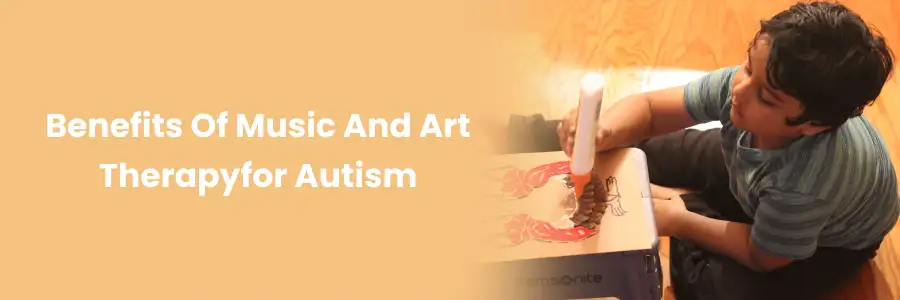
- 3759
- 3.5 Minute
The Power of Autism Therapy Benefits
Do you wonder how autism therapy benefits can improve the quality of life for individuals with autism spectrum disorder (ASD)? The challenges faced by those with autism can impact everyday activities, social interactions, and emotional well-being. Finding effective therapies is crucial to enhancing their overall development and happiness.
How Music Therapy Enhances the Lives of Individuals with Autism
Music therapy, a form of autism music intervention, offers a range of benefits that can significantly impact individuals with ASD:
- Facilitates speech improvement in non-verbal individuals
- Promotes emotional support and expression
- Aids in behavioral improvement and management
Through engaging with music, individuals with autism can experience sensory stimulation, cognitive growth, and emotional connections that might otherwise be challenging for them.
Get a second opinion from trusted experts and makeconfident, informed decisions.
Get Second OpinionNot sure where to start?
Talk to a patient care advisor — free, confidential, 24/7. We'll match you to the right specialist and book your appointment in minutes.
Exploring the Positive Impact of Art Therapy on Autism
Art therapy, focusing on visual arts therapy, provides unique advantages for individuals with autism:
- Enhances creativity expression and communication skills
- Supports emotional regulation and self-soothing techniques
- Stimulates brain activity and cognitive development
Engaging in art activities allows individuals with autism to express themselves, improve their focus, and develop fine motor skills in a creative and nurturing environment.
The Role of Sensory Integration Therapy in Supporting Individuals with Autism
Sensory integration therapy focuses on helping individuals with autism process and respond to sensory information effectively. Key benefits include:
- Improving sensory processing and self-regulation
- Enhancing social interactions and communication skills
- Reducing sensory sensitivities and challenging behaviors
By addressing sensory challenges, individuals with autism can better engage with their environment, participate in daily activities, and form meaningful connections with others.
Fostering Creativity Expression in Autism Through Therapeutic Activities
Engaging in creative activities such as music and art therapy allows individuals with autism to express themselves in unique and meaningful ways:
- Promotes self-expression and individuality
- Encourages exploration and experimentation
- Boosts confidence and self-esteem
By tapping into their creative potential, individuals with autism can discover new ways to communicate, process emotions, and engage with the world around them.
The Importance of Emotional Regulation Techniques in Autism Therapy
Emotional regulation plays a crucial role in the overall well-being of individuals with autism. Effective strategies include:
- Teaching coping mechanisms and self-calming techniques
- Promoting mindfulness and relaxation practices
- Encouraging emotional awareness and expression
By learning how to regulate their emotions, individuals with autism can better manage stress, anxiety, and sensory overload, leading to improved social interactions and behavior.
Exploring Alternative Therapies to Enhance Autism Treatment
Aside from traditional interventions, alternative therapies offer additional avenues for supporting individuals with autism:
- Equine therapy for emotional and physical benefits
- Drama therapy for social skills development
- Dance therapy for sensory integration and self-expression
These alternative approaches can complement existing therapies and provide individuals with autism diverse opportunities for growth, learning, and personal development.
Your health is everything - prioritize your well-being today.
Schedule Your AppointmentIn Conclusion
Music and art therapy, along with sensory integration and other alternative therapies, offer valuable benefits for individuals with autism. By incorporating these creative and holistic approaches into their treatment plans, individuals with autism can enhance their communication skills, emotional regulation, sensory processing, and overall quality of life. Embracing the power of music, art, and innovative therapies can positively impact the lives of individuals with autism and empower them to thrive in their unique journey of growth and self-discovery.
Frequently Asked Questions
Music therapy helps children with autism by improving communication, social interaction, and emotional regulation. Rhythmic patterns and melodies enhance focus, reduce anxiety, and encourage self-expression, making it easier for children to engage and connect with others.
Art therapy benefits individuals with autism by promoting self-expression, enhancing motor skills, and reducing stress. It provides a non-verbal way to communicate emotions, supports sensory integration, and helps improve focus and creativity in a safe, structured environment.
Yes, music and art therapy can improve social skills by encouraging turn-taking, joint attention, and non-verbal communication. Group activities help autistic children develop social bonds, enhance cooperation, and build confidence in interacting with others.
Simple, repetitive musical activities like singing, rhythm exercises, drumming, and interactive music-making are best. These activities help improve coordination, communication, and sensory processing while providing a structured and enjoyable learning experience.
Art therapy provides a safe, structured way for autistic individuals to express emotions they may struggle to verbalize. Through drawing, painting, or sculpting, they can process feelings, reduce anxiety, and develop coping strategies in a creative and therapeutic manner.
Yes, studies show that music and art therapy can enhance communication, reduce anxiety, and improve social skills in individuals with autism. Research supports their effectiveness in boosting emotional regulation, cognitive development, and sensory integration.
- Cardiology
- Case Studies
- Dermatology
- Endocrinology
- ENT
- Fertility
- Gastroenterology
- General
- General-Medicine
- Gynecology
- Hematology
- Infectious-Diseases
- Medical News
- Neurology
- Oncology
- Ophthalmology
- Orthopedics
- Pediatrics
- Procedure
- Public-Health
- Pulmonology
- Radiology
- Second Opinion
- Urology
- Wellness
- Woman-and-child
Related Blogs
Still have questions? Speak with our experts now!
040-68334455


