 Call
Call Patient Reports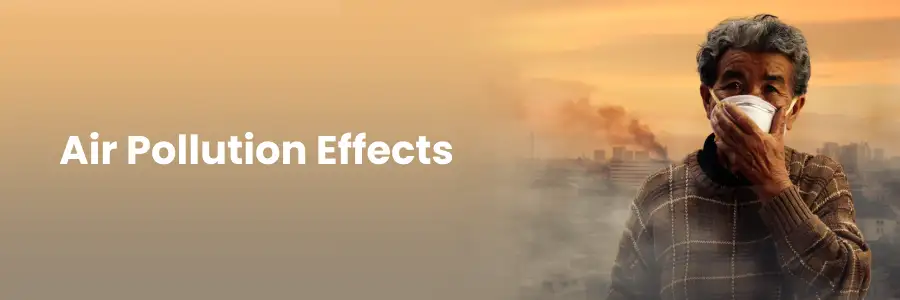
- 3759
- 3.5 Minute
The Effects of Air Pollution on Breathing Health
Are you wondering how air pollution affects your breathing and overall well-being? The impact of air pollution on respiratory health is a pressing concern for many individuals, especially those living in urban areas with high pollutant levels. From exacerbating existing lung conditions to causing new respiratory problems, the effects of air pollution can significantly disrupt your daily activities and quality of life.
Get a second opinion from trusted experts and makeconfident, informed decisions.
Get Second OpinionNot sure where to start?
Talk to a patient care advisor — free, confidential, 24/7. We'll match you to the right specialist and book your appointment in minutes.
What are the Risks of Lung Diseases Due to Air Pollution?
Air pollution poses a significant risk to lung health, increasing the likelihood of developing various respiratory conditions. Prolonged exposure to pollutants can lead to chronic diseases such as asthma, chronic obstructive pulmonary disease (copd), and even lung cancer. Here are some ways in which air pollution contributes to the risk of lung diseases:
- Damage to lung tissues from inhaled toxins
- Increased inflammation in the respiratory tract
- Worsening of existing lung conditions
- Higher susceptibility to respiratory infections
Understanding these risks is crucial in taking proactive steps to protect your respiratory health and mitigate the effects of air pollution.
How Do Pollutants Affect Your Respiratory System?
Pollutants present in the air can have detrimental effects on your respiratory system, causing a range of health issues. Fine particulate matter, volatile organic compounds, and other airborne toxins can penetrate deep into your lungs, leading to:
- Increased risk of respiratory infections
- Aggravation of asthma symptoms
- Development of respiratory allergies
- Impaired lung function over time
Reducing exposure to these pollutants through environmental measures and personal choices is essential for maintaining healthy respiratory function.
What Breathing Difficulties Can Arise from Air Pollution?
Air pollution can manifest in various breathing difficulties, affecting individuals of all ages. Common respiratory symptoms associated with pollutant exposure include:
- shortness of breath
- chest tightness
- Coughing or wheezing
- Difficulty breathing deeply
These symptoms can be particularly distressing for individuals with pre-existing respiratory conditions, highlighting the need for effective management strategies.
What Are the Environmental Health Hazards of Air Pollution?
Air pollution not only impacts individual health but also poses broader environmental hazards. The release of pollutants into the atmosphere contributes to climate change, ozone depletion, and the deterioration of air quality. Additionally, pollutants can settle into soil and water sources, affecting ecosystems and wildlife. Addressing these environmental health risks requires collective action and sustainable practices.
How Can You Prevent Respiratory Illnesses Caused by Air Pollution?
Preventing respiratory illnesses linked to air pollution involves a combination of personal choices and community initiatives. Here are some effective strategies to protect your respiratory health:
- Avoid outdoor activities during high pollution days
- Use air purifiers in indoor spaces
- Plant trees and greenery to improve air quality
- Support policies that reduce emissions from vehicles and industries
By adopting preventive measures and advocating for cleaner air standards, you can contribute to reducing the burden of respiratory illnesses in your community.
Your health is everything - prioritize your well-being today.
Schedule Your AppointmentIn Conclusion
Air pollution has far-reaching effects on respiratory health, posing risks of lung diseases, breathing difficulties, and environmental hazards. To safeguard your well-being and that of future generations, it is crucial to stay informed about the impact of air pollution and actively support initiatives that promote cleaner air. By incorporating stress management techniques, mindfulness exercises, and other holistic approaches into your routine, you can enhance your respiratory health and overall quality of life amidst environmental challenges.
Frequently Asked Questions
Air pollution affects children's respiratory health, causing breathing difficulties and increasing the risk of respiratory illnesses.
Air pollution effects can significantly impact respiratory health, causing breathing difficulties and increasing the risk of respiratory illnesses. These effects can interfere with daily activities and overall well-being.
Particulate matter and airborne toxins in the environment can cause respiratory issues.
Yes, air pollution is a significant contributor to respiratory diseases, impacting daily activities and overall health.
Air pollution increases the risk of respiratory infections by exposing the respiratory system to harmful airborne toxins.
- Cardiology
- Case Studies
- Dermatology
- Endocrinology
- ENT
- Fertility
- Gastroenterology
- General
- General-Medicine
- Gynecology
- Hematology
- Infectious-Diseases
- Medical News
- Neurology
- Oncology
- Ophthalmology
- Orthopedics
- Pediatrics
- Procedure
- Public-Health
- Pulmonology
- Radiology
- Second Opinion
- Urology
- Wellness
- Woman-and-child
Related Blogs
Still have questions? Speak with our experts now!
040-68334455


