
At Medicover Fertility, our expert fertility specialists use the latest technology and personalized care to ensure higher success rates with ICSI. This treatment is especially helpful for couples with low sperm count, poor sperm quality, or previous failed IVF attempts, giving them a better chance at achieving pregnancy.
What is Intracytoplasmic Sperm Injection (ICSI)?
Intracytoplasmic Sperm Injection (ICSI) is an advanced infertility treatment where a single healthy sperm is directly injected into an egg in a laboratory to create an embryo. It is a specialized form of in vitro fertilization (IVF), commonly recommended when male infertility factors such as low sperm count, poor motility, or abnormal sperm shape make natural conception difficult.
ICSI Fertility Treatment Procedure
- Initial Consultation and Assessment: Comprehensive evaluation of fertility health for both partners, including genetic history and previous fertility treatments.
- Stimulation and Egg Retrieval: Ovarian stimulation to produce mature eggs. Ultrasound-guided retrieval of eggs for fertilization.
- Advanced Sperm Collection: Utilizes specialized techniques such as microdissection TESE or surgical sperm retrieval to obtain viable sperm for injection.
- Precision Injection: Each mature egg receives a single sperm via micromanipulation tools, ensuring direct and accurate fertilization.
- Embryo Culture and Selection: Fertilized embryos undergo careful monitoring and selection based on quality and developmental potential for transfer.
- Embryo Transfer and Support: Optimal timing for embryo transfer into the uterus, supported by medications to enhance implantation and early pregnancy support.
Why Choose Medicover Fertility

International Standards
in Fertility Care

Advanced
Embryology Lab

20+ Lakhs
Happy Patients

2900+ Babies
Born Every Year

3+ IVF Babies
Born Every Hour

1995
ESTD.IN
How is ICSI Different from IVF?
The difference between IVF and ICSI treatment lies mainly in how fertilization happens in the lab. In IVF (In Vitro Fertilization), eggs and many sperm are placed together in a dish, and fertilization occurs naturally when one sperm penetrates the egg.
In ICSI (Intracytoplasmic Sperm Injection), a single healthy sperm is carefully selected and directly injected into the egg using advanced micromanipulation techniques. This increases the chances of fertilization, especially in cases of male infertility, low sperm count, or poor sperm quality.
Both IVF and ICSI follow the same steps for egg retrieval, embryo culture, and embryo transfer. However, ICSI provides more control over the fertilization process and is often recommended for couples who had previous IVF failures or face male factor infertility.
At Medicover Fertility, our specialists guide you in choosing the right treatment, whether IVF or ICSI, based on your specific fertility needs.
Consult a Specialist for ICSI Fertility Treatment
ICSI (Intracytoplasmic Sperm Injection) is an advanced fertility procedure often recommended when male infertility is a major concern. Consulting an experienced ICSI doctor ensures precise treatment, improved fertilization rates, and a higher chance of successful pregnancy.
When to See an ICSI Doctor?
- Couples under 35 who have tried for over a year without conception, especially after unsuccessful IUI or IVF attempts.
- Women above 35 who have not conceived after 6 months of trying naturally or with basic treatments.
- Couples over 40, or those with severe sperm-related issues, should consider ICSI evaluation at the earliest.
Who Needs Early Consultation?
ICSI is highly beneficial for couples facing male infertility challenges such as very low sperm count, poor sperm motility, abnormal sperm shape, or previous fertilization failures in IVF. It may also be advised in cases of unexplained infertility or when using frozen eggs or sperm.
Choose the Right Doctor
The best fertility doctors for ICSI treatment provide:
- Advanced lab facilities for safe sperm selection and precise fertilization.
- Individualized care plans to maximize pregnancy chances while minimizing risks.
- Continuous guidance and emotional support throughout the fertility journey.
At Medicover, our fertility specialists combine advanced ICSI technology with personalized care, helping couples achieve their dream of parenthood with confidence.
What is the ICSI Treatment Success Rate?
The ICSI treatment success rate depends on factors like a women's age, egg and sperm quality, and overall health. On average, ICSI offers a success rate of around 50% to 80% in fertilization and about 30% to 40% pregnancy rate per cycle, similar to IVF.
ICSI is especially effective for couples with male infertility issues, low sperm count, or previous failed IVF attempts, as it improves the chances of fertilization by directly injecting a healthy sperm into the egg.
Our Fertility Centers in Hyderabad
You don't have to navigate this journey alone. Schedule a compassionate, one-on-one consultation with our experts to discuss your options and create a personalized plan.

HITEC City
- Plot No 6/1, Sector 2, HUDA Techno enclave, Madhapur, 500081 Hyderabad
- 040 68334455
- 040 68334455
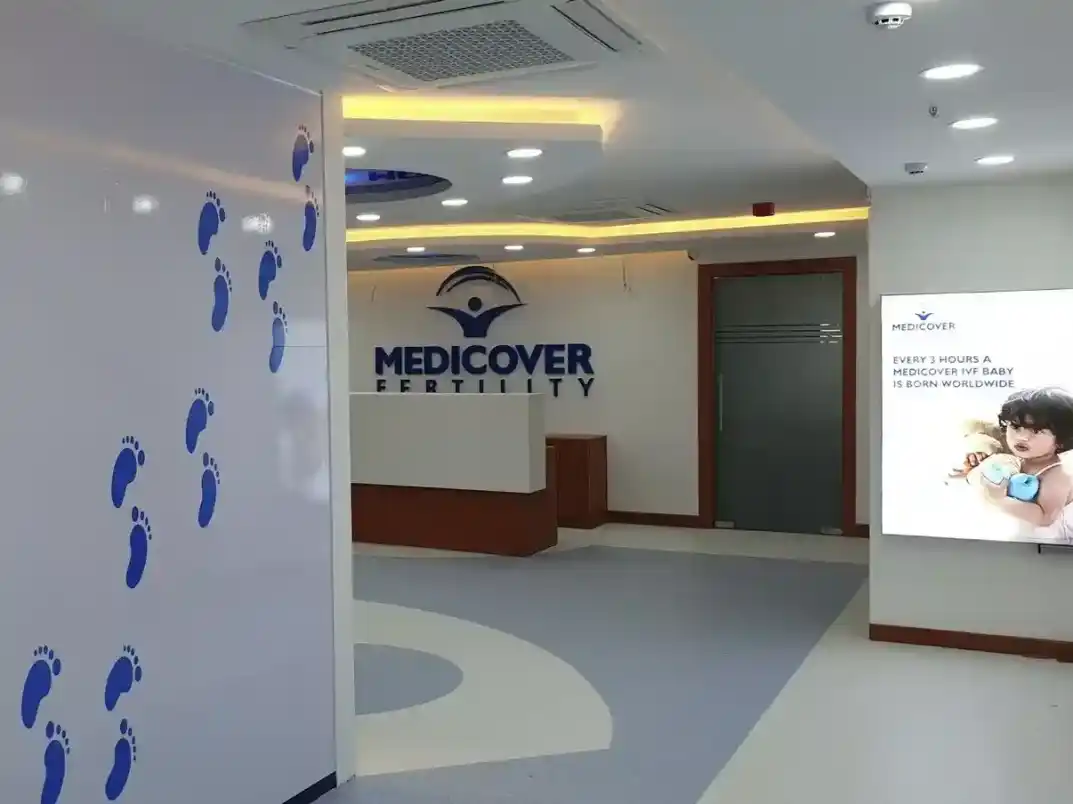
Miyapur
- Unit No 2, 4th Floor South Portion, MCR Ayodhya Building, 500050 Miyapur
- 040 68334455
- 040 68334455
Frequently Asked Questions
While ICSI is generally safe, potential risks include damage to the egg or embryo during the injection process, and a slightly increased risk of genetic abnormalities in offspring compared to natural conception. These risks are typically low and should be discussed with your fertility specialist.
The cost of ICSI can vary widely depending on location, the specific fertility clinic, and any additional procedures or medications required. It's important to inquire about all potential costs including consultations, medications, and follow-up care.
The number of cycles needed can vary greatly among couples. Some may achieve pregnancy after the first cycle, while others may require multiple attempts. Factors such as age, overall health, and the specific cause of infertility can influence the number of cycles required.
There is no strict age limit for undergoing ICSI, but success rates tend to decline with increasing age, particularly for women over 40. Your fertility specialist will evaluate your overall health and reproductive potential to determine the most appropriate treatment options.
Common side effects of medications used in ICSI treatment may include bloating, mild abdominal discomfort, mood swings, and temporary fluid retention. Severe side effects are rare but should be reported to your healthcare provider.

Ready to take control of your journey to parenthood?
Book your Appointment and start your path towards Parenthood Today !
Get Assessment


