 040 68334455
 WhatsApp
 Patient Portal
 Home Care
Best Toxic Shock Syndrome Doctors in India

Dr K Rama Murty

Dr T J Pradeep Kumar

Dr Samidh Babulal Patel

Dr Pinniboyana Vijaya Kumar

Dr Anand Deshmukh

Dr Pradeep Kumar Mishra

Dr Sujatha Rajagopalan

Dr Prashant D Purkar
Dr Prasanna Deshmukh

Dr Rahul Gandhi Godisela

Dr Sravanthi J

Dr Thriveni Reddy

Dr P Kiranmayi

Dr B Karthik Rao

Dr Raja Selvarajan

Dr Ravindra Reddy sidhu

Dr KVD Praveen

Dr K Murali Mohan

Dr Vinay Kumar

Dr Jagadeesh Kumar V

Dr Sravani Reddy Karumuru

Dr Ananddeep Agarwal

Dr P Naveen Kumar
Dr Digvijay Shinde
Dr Prasad Kuvalekar

Dr Yogesh Suresh Aher

Dr Mrudula Kolli

Dr Pooja Pardhi

Dr Supriya Lankepillewar

Dr Vijeta Bagade

Dr Shriram Nawade
Dr Rakesh Nagin Patil

Dr Meghanath Yenni

Dr Girish Loya

Dr Sushil Suresh Anturlikar
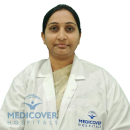
Dr Sunitha Lakavath

Dr Dusi Vidya Sagar Rao

Dr Vasantha Kumar V R R

Dr Penchila Prasad

Dr B Rajesh Pallamraju

Dr Jagdish Wable
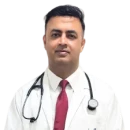
Dr Paresh Alwani

Dr Lokesh Beerakayala

Dr Raghavarapu Naga Venkata Vamsi Krishna

Dr Anusha Bandaru

Dr Malu Anand Nandkishore

Dr Badal Shivnarayan Taori

Dr Mithil B Ghushe

Dr Mopidevi Raghuvarma

Dr Kuntilla Amulya

Dr Rizwan Abdul Hakim Malik

Dr Vineesha Kamini

Dr S Niharika

Dr Nagaraju Ravikanti

Dr Sarayu Reddy

Dr Aravind Varma Datla

Dr Sateesh Pydi

Dr Vamsi Krishna Kedarisetti

Dr K Taraka Ravi Kiran

Dr Shrutika Kamble

Dr G Anjali Reddy
Importance of Toxic Shock Syndrome Specialist in Treatment
Toxic shock syndrome (TSS) is a life-threatening bacterial infection causing high fever , rash , and organ failure. Early diagnosis is critical to prevent severe complications. Treatment includes antibiotics and supportive care. Immediate intervention ensures the best chance of recovery and prevents further complications.
Why to Choose Toxic Shock Syndrome Specialists at Medicover Hospitals in India
Medicover Hospital offers general medicine specialists and critical care teams for managing toxic shock syndrome. Treatments include antibiotics, intravenous fluids, and intensive monitoring to stabilize the patient and prevent organ damage.

Why Choose Our Doctors?
- Our doctors are experts in their fields and have years of experience.
- We provide top-tier medical infrastructure and technology.
- Easy booking options for both virtual and in-person consultations.
- Insurance & Cashless Payment Support
- Emergency & 24/7 Care
- Compassionate & Patient-Centered Approach
- Multi-Disciplinary Expertise (Collaboration between specialists ensures comprehensive treatment plans).
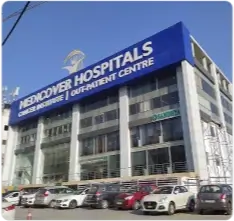
Our Hospitals Near You



Popular Searches
Frequently Asked Questions
Early signs of Toxic Shock Syndrome include sudden high fever, low blood pressure, rash resembling sunburn, vomiting or diarrhea, and confusion. Seek immediate medical help if experiencing these symptoms.
Patients can manage Toxic Shock Syndrome effectively by seeking immediate medical attention, using prescribed antibiotics, maintaining good hygiene practices, avoiding tampon misuse, and staying informed about symptoms and risks.
Doctors managing Toxic Shock Syndrome typically treat related conditions such as sepsis, organ failure, and skin infections. These conditions require specialized care to address the severe effects of Toxic Shock Syndrome.
Common treatments for Toxic Shock Syndrome include antibiotics, intravenous fluids, and supportive care to manage symptoms and prevent complications.


Feeling unwell?
Request a callback!
