 040 68334455
 WhatsApp
 Patient Portal
 Home Care
Best Rickettsiosis Doctors in India

Dr K Rama Murty

Dr T J Pradeep Kumar

Dr Samidh Babulal Patel

Dr Pinniboyana Vijaya Kumar

Dr Anand Deshmukh

Dr Pradeep Kumar Mishra

Dr Sujatha Rajagopalan

Dr Prashant D Purkar

Dr Prasanna Deshmukh

Dr Rahul Gandhi Godisela

Dr Sravanthi J

Dr Thriveni Reddy

Dr P Kiranmayi

Dr B Karthik Rao

Dr Raja Selvarajan

Dr Ravindra Reddy sidhu

Dr KVD Praveen

Dr K Murali Mohan

Dr Vinay Kumar

Dr Jagadeesh Kumar V

Dr Sravani Reddy Karumuru

Dr Ananddeep Agarwal

Dr P Naveen Kumar
Dr Digvijay Shinde
Dr Prasad Kuvalekar

Dr Yogesh Suresh Aher

Dr Mrudula Kolli

Dr Pooja Pardhi

Dr Supriya Lankepillewar

Dr Vijeta Bagade

Dr Shriram Nawade
Dr Rakesh Nagin Patil

Dr Meghanath Yenni

Dr Girish Loya

Dr Sushil Suresh Anturlikar

Dr Sunitha Lakavath

Dr Dusi Vidya Sagar Rao

Dr Vasantha Kumar V R R

Dr Penchila Prasad

Dr B Rajesh Pallamraju

Dr Jagdish Wable

Dr Paresh Alwani

Dr Lokesh Beerakayala

Dr Raghavarapu Naga Venkata Vamsi Krishna

Dr Anusha Bandaru

Dr Malu Anand Nandkishore

Dr Badal Shivnarayan Taori

Dr Mithil B Ghushe

Dr Mopidevi Raghuvarma

Dr Kuntilla Amulya

Dr Rizwan Abdul Hakim Malik

Dr Vineesha Kamini

Dr S Niharika

Dr Nagaraju Ravikanti

Dr Sarayu Reddy

Dr Aravind Varma Datla

Dr Sateesh Pydi

Dr Vamsi Krishna Kedarisetti

Dr K Taraka Ravi Kiran

Dr Shrutika Kamble

Dr G Anjali Reddy
Importance of Rickettsiosis Specialist in Treatment
Specialization in the treatment of rickettsiosis is critical due to the complexity of this infectious disease. It is caused by various bacteria transmitted through ticks, fleas, and mites, and the symptoms can range from mild to severe. Experts in this field have a profound understanding of the disease's epidemiology, clinical presentation, and potential complications, allowing for accurate and timely diagnosis. Early intervention is essential to prevent severe health consequences, including organ failure. Specialists are trained to recognize the diverse presentations of rickettsiosis, ensuring that patients receive the appropriate antibiotics and supportive care necessary for a successful recovery. Additionally, they provide invaluable education on preventive measures to avoid future infections , particularly for individuals in endemic areas. This level of expertise not only enhances treatment outcomes but also fosters greater patient confidence and satisfaction, as specialists are well-equipped to answer questions and address concerns related to their condition. Overall, seeking care from specialists in rickettsiosis ensures that patients receive high-quality, evidence-based treatment tailored to their unique health needs.
Why to Choose Rickettsiosis Specialists at Medicover Hospitals in India
Choosing rickettsiosis specialists at Medicover Hospitals offers patients numerous benefits. Our team comprises experienced healthcare professionals who have dedicated their careers to understanding and treating this complex disease. With state-of-the-art diagnostic capabilities and access to the latest research in infectious diseases, our specialists are at the forefront of rickettsiosis management. Patients benefit from a personalized approach, where each treatment plan is tailored to individual circumstances, optimizing health outcomes. Furthermore, the collaborative environment at Medicover Hospitals fosters seamless communication among specialists, ensuring that all aspects of a patient's health are considered in their care. Our specialists also prioritize patient education, empowering individuals with knowledge about their condition, treatment options, and preventive strategies to avoid future infections. This comprehensive care model enhances the overall patient experience, promoting not just recovery but also long-term health and wellness. Medicover Hospitals is committed to providing a safe, supportive environment where patients can feel comfortable discussing their concerns with knowledgeable professionals. With a focus on quality care, advanced treatment modalities, and patient-centric services, we stand out as a leading choice for individuals seeking expert care for rickettsiosis in India.

Why Choose Our Doctors?
- Our doctors are experts in their fields and have years of experience.
- We provide top-tier medical infrastructure and technology.
- Easy booking options for both virtual and in-person consultations.
- Insurance & Cashless Payment Support
- Emergency & 24/7 Care
- Compassionate & Patient-Centered Approach
- Multi-Disciplinary Expertise (Collaboration between specialists ensures comprehensive treatment plans).
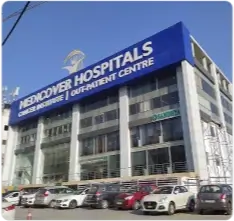
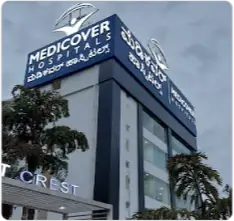
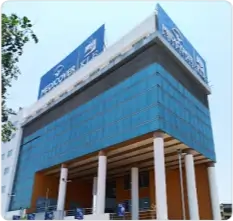
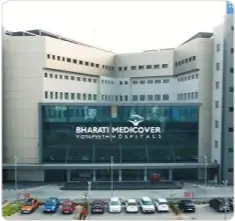
Our Hospitals Near You
Popular Searches
Frequently Asked Questions
Early indicators of Rickettsiosis include fever, headache, rash, and muscle aches. If you experience these symptoms after a tick bite or exposure to infected animals, seek medical attention promptly.
Effective management of Rickettsiosis involves prompt antibiotic treatment, adequate hydration, rest, and close monitoring for complications. Early detection and medical care are crucial in preventing severe outcomes.
Specialists often encounter conditions like fever, rash, headache, and muscle pain when treating Rickettsiosis. Seek prompt medical care if experiencing these symptoms.
Specialists typically treat Rickettsiosis with antibiotics to combat the bacterial infection, aiming to alleviate symptoms and prevent complications. Close monitoring and supportive care may also be necessary during treatment.


Feeling unwell?
Request a callback!
