 040 68334455
 WhatsApp
 Patient Portal
 Home Care
What are Kidney Stones?
Written by Medicover Team and Medically Reviewed by Dr Sravan Kumar Jogu , Nephrologists
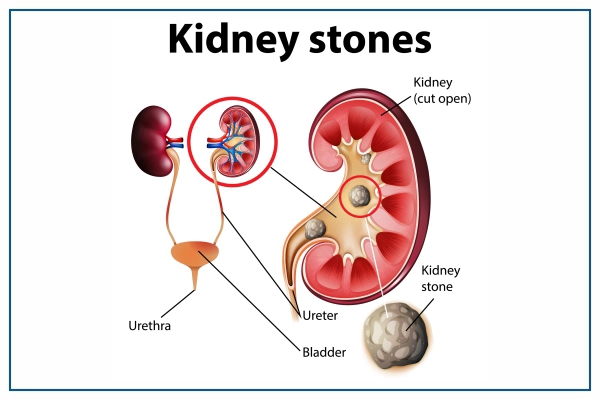
A kidney stone is a solid mass made of tiny crystals that form inside the kidneys. It develops when substances like calcium, oxalate, and uric acid become too concentrated in the urine. Instead of being flushed out, these minerals stick together and form stones.
Kidney stones can vary in size. Some are as small as a grain of sand and pass without pain, while others can grow larger and block urine flow, causing intense pain. Stones may remain in the kidney or travel down the ureter (the tube that connects the kidney to the bladder). As they move, they can irritate or block the urinary tract.
Dehydration, diet, certain medications, and medical conditions can increase the risk of stone formation. Although painful, most kidney stones can be treated successfully, especially if diagnosed early.
What are the Symptoms and Warning Signs of Kidney Stones?
Symptoms of nephrolithiasis can range from mild to severe, depending on the size of the stone and whether it blocks the urinary tract. Some small stones may pass without any symptoms.
Common Symptoms of Kidney Stones
- Sharp pain in the back, side, or lower abdomen
- Pain during urination
- Frequent urge to urinate
- Cloudy or foul-smelling urine
- Pink, red, or brown urine (a sign of blood)
- Nausea or vomiting
Emergency Symptoms of Kidney Stones
- Pain that comes in waves and gets worse
- Fever and chills (may indicate infection)
- Difficulty passing urine
- A minimal amount of urine despite feeling a full bladder
What are the Different Types of Kidney Stones?
Kidney stones are categorized based on their chemical makeup. Identifying the type of stone helps guide treatment and reduce the risk of recurrence.
- Calcium Stones (Calcium Oxalate and Calcium Phosphate): These are the most common type of nephrolithiasis. They form when there's too much calcium, oxalate, or phosphate in the urine. This can happen due to poor hydration, certain foods, high salt intake, or underlying medical conditions.
- Uric Acid Stones: These develop when urine is too acidic. People who eat high-protein diets or have conditions like gout are more likely to form uric acid stones. They can be created even when calcium levels are normal.
- Struvite Stones: Also known as infection stones, struvite stones form as a result of chronic urinary tract infections. They can grow large quickly and may need surgical removal.
- Cystine Stones: These are rare and result from a genetic disorder called cystinuria, where too much cystine builds up in the urine. They tend to form early in life and often come back if not properly managed.
Each type may look similar on imaging, but lab tests on passed or removed stones are used to confirm the exact type.
What are the Causes and Risk Factors of Kidney Stones?
Kidney stones develop when minerals and salts in the urine form crystals that grow into hard stones. This usually occurs when the urine is too concentrated or lacks substances that prevent crystals from forming and sticking together.
Common Causes of Kidney Stones
- Dehydration (not drinking enough water)
- Excess calcium, oxalate, or uric acid in the urine
- High-oxalate or high-sodium diets
- Urinary tract infections (especially for struvite stones)
- Genetic disorders like cystinuria
Risk Factors of Kidney Stones
- Family or personal history of kidney stones
- Poor fluid intake or living in hot climates
- High-salt, high-protein, or low-calcium diet
- Obesity or a sedentary lifestyle
- Use of certain medications, such as diuretics or calcium-based antacids
Medical Conditions That Increase Nephrolithiasis Risk
- Gout raises uric acid levels in the urine
- Hyperparathyroidism leads to high calcium levels
- Type 2 diabetes can change urine composition
- Cystinuria is a rare inherited condition causing cystine stones
- Crohn's disease and other bowel disorders increase oxalate absorption
- Recurrent urinary tract infections promote struvite stone formation
- Renal tubular acidosis affects acid levels in the urine
If you have one of these conditions, your doctor may recommend regular urine and blood tests to help prevent stone formation.
Get a second opinion from trusted experts and makeconfident, informed decisions.
 Get Second Opinion
How are Kidney Stones Diagnosed?
Nephrolithiasis is diagnosed based on your symptoms, medical history, and imaging tests. Early diagnosis helps prevent complications, such as infection or kidney damage.
Medical History and Physical Exam
- The doctor will ask about your pain, urine changes, and family history of stones
- A physical exam may reveal tenderness in the lower back or abdomen
Urine Tests
- Checks for blood, crystals, or infection
- 24-hour urine collection may be done to find out what's causing the stones
Blood Tests
Measures levels of calcium, uric acid, and kidney function
Imaging Tests
- CT Scan (non-contrast): Most accurate way to detect stones
- Ultrasound: Often used first, especially in children or pregnant women
- X-ray (KUB): Can spot some stones but may miss smaller ones
Diagnosing the size, location, and type of stone enables doctors to choose the most suitable treatment plan.
What are the Treatment Options for Kidney Stones?
Treatment for kidney stones depends on their size, type, location, and the severity of symptoms. The primary goals are to alleviate pain, facilitate stone passage, and prevent future stone formation.
Conservative Management (for Small Stones)
- Increased Fluid Intake: Drinking 2&3 litres of water daily helps flush out the urinary system and may aid in passing small stones naturally.
- Pain Management:
- NSAIDs like ibuprofen or naproxen
- Narcotics for severe pain (used cautiously)
- Alpha Blockers: Medications like tamsulosin relax the ureter muscles, helping stones pass more easily.
Medical Expulsive Therapy (MET)
- Commonly used for stones <10 mm in the ureter.
- Medications (alpha-blockers or calcium channel blockers) are prescribed to aid stone passage over several weeks.
- Close monitoring is required through imaging.
Surgical or Minimally Invasive Procedures
If the stone is too large, causes infection, blocks urine flow, or doesn't pass on its own, these options are considered:
- Extracorporeal Shock Wave Lithotripsy (ESWL):
- Non-invasive
- Uses sound waves to break stones into smaller fragments
- Ideal for stones <2 cm in size
- Ureteroscopy (URS):
- Involves passing a thin scope through the urethra and bladder into the ureter
- Laser is used to break stones.
- Effective for mid- and lower-ureteral stones
- Percutaneous Nephrolithotomy (PCNL):
- Used for large or complex kidney stones(Nephrolithiasis) (>2 cm)
- Involves a small incision in the back to remove stones directly from the kidney
Open or Laparoscopic Surgery: Reserved for huge stones or anatomical abnormalities
Preventive Treatment
- Dietary Modifications:
- Increase fluids
- Reduce salt and animal protein
- Limit oxalate-rich foods (spinach, nuts, etc.)
- Medications (based on stone type):
- Thiazide diuretics for calcium stones
- Allopurinol for uric acid stones
- Potassium citrate to make urine less acidic
- Antibiotics for infection-related (struvite) stones
When to See a Doctor for Kidney Stones?
You should see a doctor if you have symptoms that suggest a nephrolithiasis or if you're at risk of complications.
See a Doctor If You Have:
- Severe pain in your side, back, or lower belly
- Blood in your urine (pink, red, or brown colour)
- Painful urination or trouble passing urine
- Nausea or vomiting along with pain
- A history of kidney stones(nephrolithiasis) with new or worsening symptoms
Seek Emergency Care If:
- Pain is intense and doesn't go away
- You have a fever or chills (could signal infection)
- You can't urinate or feel pressure in your bladder
Early treatment helps prevent kidney damage, infection, or the need for surgery.
Your health is everything - prioritize your well-being today.
Consult Kidney Stones Doctors Today
What is the Recovery Process After Kidney Stone Treatment?
Recovery depends on the type of treatment you received and the size of the stone. Most people feel better within a few days to a few weeks.
After Passing a Stone Naturally
- Mild pain may last a short time
- Drink plenty of fluids to flush your system
- Follow up with your doctor to prevent new stones
After a Procedure (ESWL, Ureteroscopy, or Surgery)
- You may have some blood in your urine or mild discomfort for a few days
- Avoid heavy activity for a short time
- Take prescribed medications, including pain relief and antibiotics, if given
- Attend follow-up visits to check if the stone is fully cleared
Long-Term Recovery
- Adopt a kidney-friendly diet as advised
- Drink enough water daily (usually 2&3 litres)
- Take any medications prescribed to prevent new stones
Most people recover well and return to their normal activities quickly, especially with lifestyle modifications and regular check-ups.
What Precautions Can Help Prevent Kidney Stones?
Kidney stones can recur, but making simple changes can lower your risk.
Prevention Tips
- Drink plenty of water
- Limit salt and sugar
- Eat less animal protein
- Get enough calcium
- Avoid high-oxalate foods
- Stay active
Possible Complications if Not Treated
- Repeated stones
- Blockage of urine flow
- Kidney infections
- Permanent kidney damage
Taking these steps early can help you avoid pain and future problems.
Our Experience Treating Kidney Stones
At Medicover Hospitals, we specialise in proper care for patients with kidney stones. Our team of expert urologists, nephrologists, and radiologists works together to ensure accurate diagnosis, advanced treatment, and long-term prevention.
We utilise modern tools, including ultrasound and CT scans, as well as minimally invasive procedures, to treat stones safely and effectively. Whether it's a small stone or a complex case, we tailor every treatment plan to the patient's needs.
With our focus on comfort, clear communication, and follow-up care, we help our patients recover quickly and maintain a stone-free future.


