 040 68334455
 WhatsApp
 Patient Portal
 Home Care
Best Dysthymic Disorder Doctors in India

Dr Rajesh Ayyalasomayajula
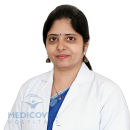
Dr Hasanthi Thumurothu

Dr. Priyanka Banokar Pande

Dr Siva Anoop Yella
Importance of Dysthymic Disorder Specialist in Treatment
Dysthymic disorder, also known as persistent depressive disorder, is a long-term form of depression with less severe but chronic symptoms. Early diagnosis and treatment can help improve mood and quality of life. Treatment includes psychotherapy, cognitive-behavioral therapy (CBT), and antidepressant medications.
Why to Choose Dysthymic Disorder Specialists at Medicover Hospitals in India
Psychologists and psychiatrists at Medicover Hospital offer therapies like CBT, interpersonal therapy, and medications to help manage dysthymic disorder and alleviate symptoms of chronic depression.

Why Choose Our Doctors?
- Our doctors are experts in their fields and have years of experience.
- We provide top-tier medical infrastructure and technology.
- Easy booking options for both virtual and in-person consultations.
- Insurance & Cashless Payment Support
- Emergency & 24/7 Care
- Compassionate & Patient-Centered Approach
- Multi-Disciplinary Expertise (Collaboration between specialists ensures comprehensive treatment plans).
Our Hospitals Near You




Frequently Asked Questions
Patients should look out for early signs of dysthymic disorder, including persistent low mood, fatigue, changes in sleep patterns, and difficulty concentrating. Additionally, feelings of hopelessness and a lack of interest in daily activities may also indicate the condition.
Manage dysthymic disorder with regular psychotherapy, such as cognitive-behavioral therapy (CBT), and medication like antidepressants. Engaging in regular exercise, maintaining a balanced diet, and seeking social support can also help prevent worsening symptoms.
Common co-existing conditions with Dysthymic Disorder include anxiety disorders, substance abuse, and personality disorde Rs. Seeking specialized care can address these concerns effectively.
Specialists offer therapy, medication, and lifestyle changes for Dysthymic Disorder to help manage symptoms effectively.


Feeling unwell?
Request a callback!
