 040 68334455
 WhatsApp
 Patient Portal
 Home Care
Best Cervical Polyp Doctors in India

Dr V Sita Lakshmi

Dr Valluri Padmini

Dr Imandi Krishna Shanthi

Dr Krishna Kumari Meka

Dr Sarada Kaki

Dr Kasturi Pramila Surender Rao

Dr R Vidya Rama

Dr Kavitha Naragoni

Dr Daneti Sridhar

Dr Madhavi Vegunta

Dr N Bhulakshmi

Dr M Radhika

Dr Himani Gupta

Dr Varalakshmi K S

Dr Chandrashekhar Chavan

Dr Geeta Vandana R

Dr B Laxmi Praveena

Dr Pappu Shanthi

Dr Kalpana Gupta

Dr Kiranmai Gottapu

Dr B Lakshmi Kondamma

Dr B Radhika

Dr Kasturibai Velaga

Dr Prithvi Perum

Dr Srujana S

Dr Geetha Jayanthi Battula

Dr M Madhuri

Dr G Bhavya

Dr Anuranjeeta Pallavi

Dr Jankidevi Swaroop Borade

Dr Vrushali Khedkar

Dr Sabiha Anjum Shaik

Dr Sindhuri Gorantla

Dr Jyotsna T

Dr Anusha Mannem

Dr Madhavi Dokku

Dr T Raghu Thejaswi

Dr Amatul Hafsa

Dr Venkata Laxmi Simhadri

Dr Tanuja Priyadarsini V

Dr Manjusha Padamata

Dr Bhargavi Reddy

Dr Vineela Medapati

Dr Thajammul Samrin

Dr Priyanka Mandpe

Dr Sharayu Mirji

Dr Punnamaraju L Srinitya

Dr Kunuku yamuna

Dr Ramadevi Gudla

Dr Sonali Hargunani

Dr Divya Laxmi S V

Dr Sagar Kotkar

Dr Samskruthi S Reddy

Dr Nimmagadda Bhanu teja

Dr J Shalini Narayan

Dr Banam Sravanthi

Dr Balaga Rajani

Dr Sujana Nimmakayala

Dr Kada Vishnu Priya

Dr Sravani Sakshi

Dr Borra Grishmika
Dr Gamidi Anusha
Importance of Cervical Polyp Specialist in Treatment
Cervical polyps are small, benign growths on the cervix that can cause abnormal bleeding. Early diagnosis is important to rule out malignancy and ensure proper treatment. Treatment typically involves simple surgical removal. Early intervention helps prevent discomfort and reduces the risk of complications.
Why to Choose Cervical Polyp Specialists at Medicover Hospitals in India
Medicover Hospital offers gynecologists specializing in diagnosing and treating cervical polyps. Treatments include polyp removal and monitoring to prevent recurrence and ensure cervical health.

Why Choose Our Doctors?
- Our doctors are experts in their fields and have years of experience.
- We provide top-tier medical infrastructure and technology.
- Easy booking options for both virtual and in-person consultations.
- Insurance & Cashless Payment Support
- Emergency & 24/7 Care
- Compassionate & Patient-Centered Approach
- Multi-Disciplinary Expertise (Collaboration between specialists ensures comprehensive treatment plans).
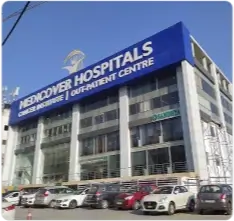
Our Hospitals Near You



Popular Searches
Frequently Asked Questions
Early signs of Cervical Polyp may include abnormal vaginal bleeding, spotting between periods, increased vaginal discharge, and pelvic pain. Regular screenings can aid in early detection and treatment.
Cervical Polyp can be effectively managed through removal procedures like polypectomy, reducing the risk of complications. Regular check-ups are vital for monitoring and early intervention. Consult a healthcare provider for personalized care.
Doctors managing Cervical Polyp may also treat related conditions like abnormal vaginal bleeding, pelvic pain, and infertility. These conditions often require specialized care to address underlying issues effectively.
Specialists primarily treat Cervical Polyp with procedures like polypectomy to remove the growth, cryotherapy for freezing it off, or electrocautery to destroy the polyp. Additional treatments may include medications or surgical removal as necessary.


Feeling unwell?
Request a callback!
