 040 68334455
 WhatsApp
 Patient Portal
 Home Care
Asbestosis: Symptoms, Causes, and Treatments
Written by Medicover Team and Medically Reviewed by Dr Satya Padmaja Mantha , Pulmonologist
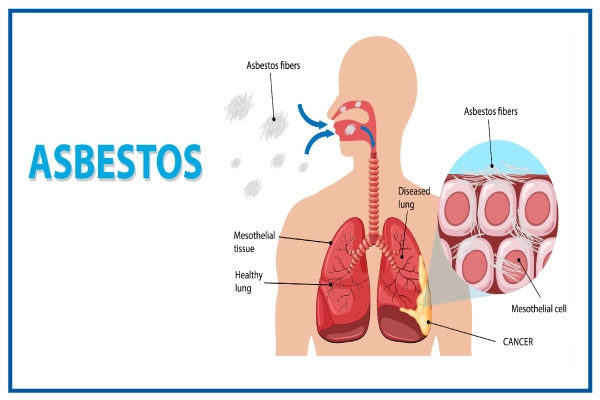
Asbestosis is a chronic lung condition caused by prolonged inhalation of asbestos fibers, resulting in scarring of lung tissue and impaired respiratory function. It primarily affects the lungs and can lead to complications such as lung cancer or respiratory failure. Early detection and proper management are crucial for achieving better outcomes and maintaining a high quality of life.
What are the Asbestosis Symptoms and Warning Signs?
Asbestosis is a chronic lung condition caused by long-term inhalation of asbestos fibers. The symptoms often develop gradually and may go unnoticed for years.
Recognizing early signs is crucial for timely medical intervention and for preventing further lung damage.
Common Symptoms
- Persistent dry cough
- Shortness of breath, especially during physical activity
- Chest discomfort or a dull ache
- Fatigue or tiredness
- Unexplained weight loss
Severe Symptoms
- Chest tightness or pain
- Clubbing (widening) of fingers and toes
- Crackling sound in the lungs when breathing
- Severe breathlessness, even at rest
What are the Common Causes and Risk Factors of Asbestosis?
Asbestosis is a severe lung disease that develops from prolonged exposure to asbestos fibers. These fibers, when inhaled over time, cause inflammation and scarring in the lungs, leading to breathing difficulties.
Understanding the causes and risk factors is essential for those working or living in environments where asbestos may be present.
Causes
- Long-term inhalation of asbestos fibers
- Occupational exposure in industries like construction, shipbuilding, or insulation work
- Poor ventilation in asbestos-contaminated areas
- Handling or disturbing asbestos-containing materials without safety gear
Risk Factors
- Working in asbestos-related jobs without proper protection
- Living near asbestos mines or factories
- Smoking increases the risk of complications
- Duration and intensity of asbestos exposure
- Age older adults with past asbestos exposure are more likely to develop the disease
Get a second opinion from trusted experts and makeconfident, informed decisions.
Get Second OpinionHow is Asbestosis Diagnosed?
Diagnosing asbestosis involves a thorough evaluation of your medical history, especially occupational asbestos exposure, along with detailed imaging and lung function tests.
Since symptoms develop slowly, early detection plays a key role in managing the disease effectively.
Common Diagnostic Procedures
- Chest X-ray: Helps detect scarring or changes in lung tissue caused by asbestos fibers.
- High-Resolution CT Scan: Offers detailed images of the lungs to assess the extent of damage.
- Pulmonary Function Tests (PFTs): Measure lung capacity and airflow.
- Oximetry or Arterial Blood Gas Analysis: Evaluates oxygen levels in the blood.
- Lung Biopsy (in select cases): May be recommended if diagnosis remains uncertain.
What are the Treatment Options for Asbestosis?
Asbestosis is a chronic condition with no complete cure, but timely and appropriate treatment can significantly relieve symptoms and slow its progression.
Treatment focuses on improving lung function, managing complications, and enhancing quality of life.
Available Treatment Options
- Medications:
- Bronchodilators to ease breathing
- Corticosteroids, in some instances reduce lung inflammation
- Antibiotics for managing infections
- Oxygen Therapy: For patients with low blood oxygen levels to help improve breathing.
- Pulmonary Rehabilitation: A structured program including breathing exercises, physical training, and education.
- Lifestyle Support: Smoking cessation, healthy diet, and avoidance of further asbestos exposure.
- Surgery: Rare but may be considered for severe complications like lung cancer or pleural effusion.
Treatment Timeline and Recovery
Management is lifelong and personalized. Most patients experience symptom improvement within a few weeks of starting oxygen therapy and rehab. Regular follow-ups are essential for monitoring lung function and disease progression.
When to See a Doctor for Asbestosis?
Asbestosis develops slowly and may not show obvious signs in the early stages. However, discounting symptoms can lead to serious complications, including lung infections and respiratory failure.
Timely medical attention is crucial for managing the condition effectively and improving breathing function.
You should see a doctor if you experience
- Persistent shortness of breath that lasts more than a few weeks
- Dry cough that doesn't improve with routine medication
- Unexplained chest discomfort or tightness
- Fatigue that interferes with daily activities
- History of asbestos exposure, even if symptoms are mild
High-Risk Groups Who Need Prompt Consultation
- People who have worked in construction, shipyards, or the insulation industry
- Smokers with a known history of asbestos exposure
- Individuals over 50 with occupational exposure in the past
- Those experiencing worsening respiratory symptoms despite treatment
Why Early Consultation Matters?
Doctors may not be able to cure asbestosis completely, but they can slow its progression, relieve symptoms, and prevent complications. Early diagnosis allows access to lung care therapies, oxygen support, and monitoring for other asbestos-related conditions like mesothelioma or lung cancer.
At Medicover Hospitals, our team of experienced pulmonologists is equipped with advanced diagnostic tools and treatment plans prepared for each patient's needs. Don't delay, early care can make a significant difference in long-term health.
Your health is everything - prioritize your well-being today.
 Consult Asbestosis Doctors Today
What is the Recovery Process After Asbestosis Treatment?
Asbestosis is a long-term condition that requires ongoing care rather than a one-time cure. The recovery process focuses on managing symptoms, improving lung capacity, and preventing further complications.
While the lung damage caused by asbestos cannot be reversed, proper treatment can significantly enhance daily functioning and quality of life.
Post-Treatment Expectations and Follow-Up
- Regular Check-Ups: Periodic evaluations with a pulmonologist to monitor lung function and adjust treatment as needed.
- Imaging Tests and PFTs: Follow-up chest X-rays and pulmonary function tests are recommended every 6 to 12 months.
- Vaccinations: Annual flu shots and pneumonia vaccines to prevent infections.
Lifestyle & Diet Recommendations
- Avoid smoking and exposure to lung irritants (dust, chemicals, polluted air).
- Follow a lung-friendly diet rich in antioxidants, fruits, and vegetables.
- Stay physically active with exercises approved by a pulmonary rehabilitation specialist.
- Use home oxygen therapy as advised to maintain oxygen levels.
Long-Term Outlook
With regular care, many patients maintain a stable condition for years. However, advanced stages may lead to severe breathlessness or complications like pulmonary hypertension or lung cancer.
What Precautions Can Help Prevent Asbestosis?
Asbestosis is preventable, especially with proper awareness and safety measures in environments where asbestos exposure is likely to occur. Early precautions not only reduce risk but also safeguard long-term lung health.
Prevention Tips
- Use certified protective equipment (PPE) when working around asbestos.
- Ensure proper ventilation in high-risk work environments to prevent exposure to hazardous substances.
- Avoid disturbing asbestos-containing materials in old buildings.
- Undergo regular health screenings if you have past exposure.
- Quit smoking to reduce the risk of lung complications.
Possible Complications If Left Untreated
- Progressive and irreversible lung scarring
- Increased risk of lung infections and respiratory failure
- Higher chances of developing mesothelioma or lung cancer
- Severe oxygen deprivation requiring long-term oxygen therapy
Do's and Don'ts
A person with Asbestosis has to follow certain dos and don’ts to manage related symptoms and infections.
| Do's | Don'ts |
| Wear protective clothing when going out in polluted or dusty areas | Use abrasive or harsh cleaning supplies or equipment that could contain asbestos |
| Have a qualified asbestos inspector conduct a test before a renovation | Smoke or stay where other people are smoking |
| Take vaccine | Forget to take medications |
| Visit your doctor if you see any symptoms | Go to areas with ongoing construction |
Asbestosis can cause many other lung problems too. Follow the above tips to prevent complications.
Our Experience Treating Asbestosis
At Medicover Hospitals, we understand the complexities of asbestos-related lung diseases. Our team of expert pulmonologists, respiratory therapists, and rehabilitation specialists works closely with each patient to offer accurate diagnosis, proper treatment, and ongoing support.
With advanced facilities and complete care, we strive to improve the quality of life for every asbestosis patient we treat.


