 Call
Call Patient Reports
- Cardiology 84
- Dermatology 45
- Endocrinology 33
- ENT 16
- Fertility 190
- Gastroenterology 78
- General-Medicine 81
- Gynecology 80
- Hematology 19
- Infectious-Diseases 33
- Neurology 52
- Oncology 34
- Ophthalmology 23
- Orthopedics 69
- Pediatrics 31
- Procedure 23
- Public-Health 144
- Pulmonology 59
- Radiology 8
- Urology 68
- Wellness 161
- Woman-and-child 77
- 3759
- 3.5 Minute
Workplace Discrimination's Link to High Blood Pressure
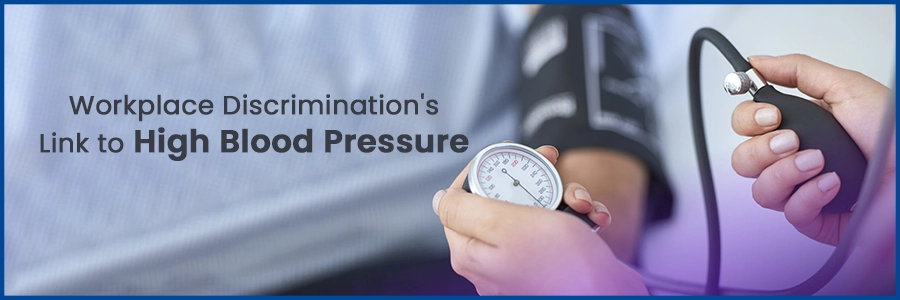
Workplace discrimination's link to high blood pressure is a connection between experiencing discrimination in the workplace and the development of hypertension, or high blood pressure. When employees face discrimination based on factors like race, gender, age, or other characteristics, they often experience chronic stress as a result.
This chronic stress triggers the body's stress response, leading to the release of stress hormones like cortisol and adrenaline. Elevated levels of these hormones can temporarily increase blood pressure.
Get a second opinion from trusted experts and makeconfident, informed decisions.
Get Second OpinionNot sure where to start?
Talk to a patient care advisor — free, confidential, 24/7. We'll match you to the right specialist and book your appointment in minutes.
Stress Response and Blood Pressure
When individuals experience discrimination at work, their bodies react by activating the stress response. This triggers the release of stress hormones, including cortisol and adrenaline, which temporarily elevate blood pressure. While this response is normal in occasionally stressful situations, persistent exposure to discrimination can lead to chronic stress, affecting cardiovascular health over time.
Chronic Stress and Hypertension
Chronic stress disrupts the body's natural balance, putting strain on the cardiovascular system. Elevated blood pressure levels, a common consequence of chronic stress, can lead to hypertension (high blood pressure). Hypertension is a significant risk factor for heart disease or stroke, and other serious health problems.
Role of Psychological Factors
Workplace discrimination can also have profound psychological effects on individuals. Feelings of anger, frustration, and helplessness resulting from discriminatory experiences can contribute to the development of anxiety and depression. These psychological conditions, in turn, have been associated with hypertension.
Unhealthy Coping Mechanisms
Individuals subjected to discrimination may resort to unhealthy coping mechanisms to deal with the stress. Some may turn to comfort eating, leading to weight gain and an increased risk of hypertension. Others may engage in smoking or excessive alcohol consumption, both of which can elevate blood pressure and exacerbate health issues.
Impact on Overall Well-being
The link between workplace discrimination and high blood pressure is not limited to the immediate victims. Witnessing discrimination or working in a discriminatory environment can also have adverse effects on the health of bystanders, fostering an overall hostile work atmosphere.
In summary, these sections help to organize the content effectively while maintaining the clarity and intent of each point.
Your health is everything - prioritize your well-being today.
Schedule Your AppointmentConclusion
Addressing workplace discrimination is essential for both equity and employee health. Chronic stress from discrimination can lead to hypertension. Implementing anti-discrimination policies, fostering inclusivity, and offering support services are crucial steps toward creating thriving workplaces.
Let's build environments where respect and fairness prevail, ensuring everyone can contribute and succeed free from discrimination.
Frequently Asked Questions
Workplace discrimination is treating employees unfairly due to factors like race, gender, age, religion, or disability. It includes harassment, unequal pay, and denial of opportunities, creating a negative work environment.
Discrimination leads to chronic stress, releasing hormones that can temporarily raise blood pressure. Persistent discrimination disrupts the body's balance, increasing the risk of hypertension and related health problems.
Severe discrimination like racial or gender-based discrimination is strongly linked to higher blood pressure and overall health issues due to prolonged stress.
Yes, witnessing discrimination can cause stress and impact bystanders' health, triggering feelings of helplessness or fear.
Individuals with existing health conditions and differing coping mechanisms are more susceptible, but all employees can be harmed by workplace discrimination.
Employers should enforce anti-discrimination policies, provide training on diversity, establish clear complaint procedures, and support mental health initiatives.
Employees can manage stress by seeking support, practicing relaxation techniques, staying physically active, and maintaining a healthy work-life balance.
Disclaimer: The information provided is accurate and up-to-date to the best of our knowledge. However, it should not be considered a substitute for medical advice or consultation. We do not guarantee its completeness or accuracy. The absence of specific warnings does not mean a medicine is safe for all users. We are not responsible for any outcomes based on this information and strongly recommend consulting a doctor for any medical concerns or questions.
- Cardiology
- Case Studies
- Dermatology
- Endocrinology
- ENT
- Fertility
- Gastroenterology
- General
- General-Medicine
- Gynecology
- Hematology
- Infectious-Diseases
- Medical News
- Neurology
- Oncology
- Ophthalmology
- Orthopedics
- Pediatrics
- Procedure
- Public-Health
- Pulmonology
- Radiology
- Second Opinion
- Urology
- Wellness
- Woman-and-child
Related Blogs
Still have questions? Speak with our experts now!
040-68334455


