 Call
Call Patient Reports
- Cardiology 84
- Dermatology 45
- Endocrinology 33
- ENT 16
- Fertility 190
- Gastroenterology 78
- General-Medicine 81
- Gynecology 80
- Hematology 19
- Infectious-Diseases 33
- Neurology 52
- Oncology 34
- Ophthalmology 23
- Orthopedics 69
- Pediatrics 31
- Procedure 23
- Public-Health 144
- Pulmonology 59
- Radiology 8
- Urology 68
- Wellness 161
- Woman-and-child 77
- 3912
- 3.6 Minute
Viral Fever: Recognizing Symptoms and Treatment Methods
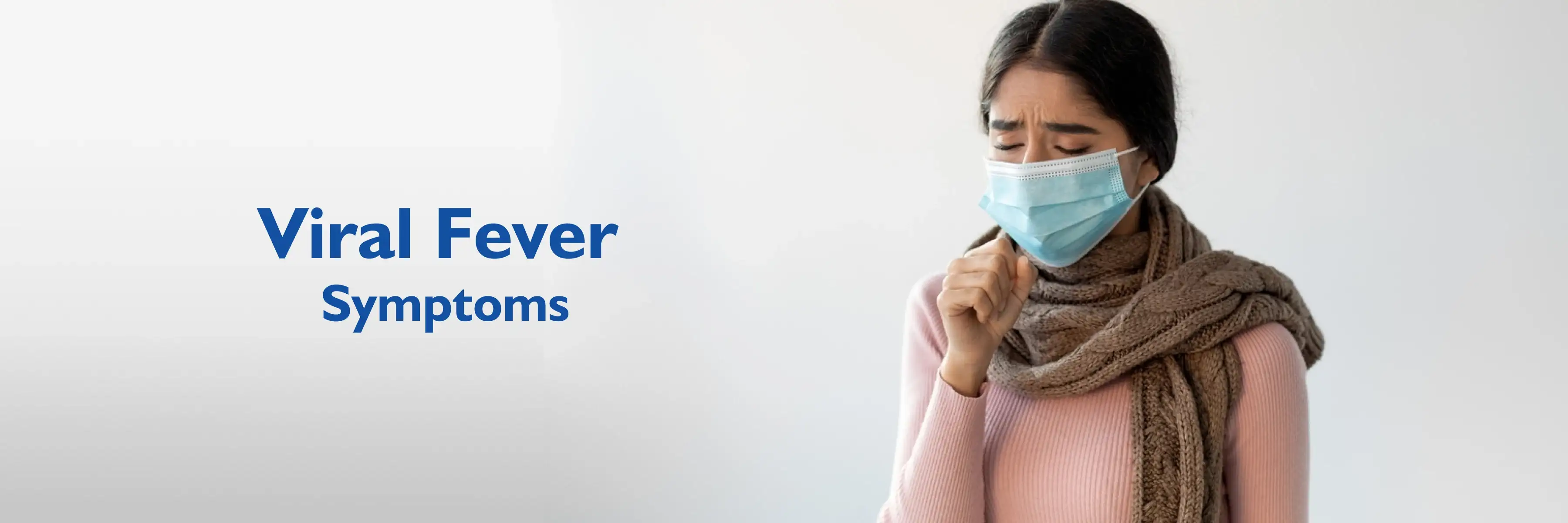
Viral fever, or high body temperature, is caused by viral infections, which are most common during the monsoon season. Any degree of body temperature above the average of 98.4°F (37.1°C) is considered a fever. Any kind of fever increases the body temperature, but viral fevers usually lead to high-grade fever, and they last for more than 3-5 days.
Viral fever is not a disease; however, it can be an indicator of an underlying viral infection. It affects people who have weak immunity and is also common in children. If left untreated, it might lead to serious consequences. You must seek medical attention for a timely diagnosis and identification of the infection.
Symptoms of Viral Fever
The symptoms of viral fever differ based on the type of viral infection and the person it has affected.
Respiratory Symptoms
- Cough: Dry or productive.
- Sore Throat: Painful swallowing and other symptoms.
- Runny Nose: Nasal discharge and congestion.
Get a second opinion from trusted experts and makeconfident, informed decisions.
Get Second OpinionNot sure where to start?
Talk to a patient care advisor — free, confidential, 24/7. We'll match you to the right specialist and book your appointment in minutes.
Gastrointestinal Symptoms
- Nausea and Vomiting: Frequency and severity.
- Diarrhea: Watery stools and associated discomfort.
Neurological Symptoms
- Mild to Severe Headache
- Dizziness
Other Symptoms
- High-Grade Fever: Can go up to 103-104°F.
- Body Aches: Muscle and joint pains.
- Fatigue: Persistent tiredness and weakness.
- Dehydration: Symptoms related to dehydration.
- Loss of Appetite
- Facial Swelling
- Rashes on Skin
- Eye Symptoms: Conjunctivitis or other issues.
- Neurological Symptoms: Confusion or seizures.
Severe symptoms such as high-grade body temperature (103-104°F) need immediate medical care to avoid any severe effects on body functions. You can visit our expert doctors for further information about viral fever symptoms and how to manage them effectively.
Treatment of Viral Fever
Treatment for viral fever typically focuses on managing symptoms and supporting the body's immune system, as viral infections do not respond to antibiotics.
Medical Treatment
- Rest: Adequate rest is crucial to help the body recover from viral infections.
- Hydration: Drink plenty of fluids to stay hydrated, which helps maintain body temperature and flush out toxins.
- Fever reducers: Over-the-counter medications like acetaminophen (Tylenol) or ibuprofen can help reduce fever and alleviate discomfort. Follow dosage instructions carefully.
- Consult a doctor: Seek medical advice if symptoms persist or worsen or if you are concerned about severe symptoms like difficulty breathing.
Home Remedies
Home remedies can complement medical treatment and provide relief from symptoms of viral fever.
- Cool compress: Use a damp cloth or sponge to gently cool the body, especially if there's discomfort due to fever.
- Hydration: Drink warm fluids such as herbal teas, clear broths, or warm water with honey and lemon to soothe the throat and maintain hydration.
- Rest and comfort: Ensure the person gets plenty of rest in a comfortable environment to support recovery.
- Nutrition: Eat light, nutritious meals to support the immune system. Avoid heavy, greasy foods that can be difficult to digest.
- Herbal remedies: Some herbal teas, like ginger tea or chamomile tea, may help alleviate symptoms and provide comfort.
- Steam inhalation: Inhaling steam from a bowl of hot water or taking a warm shower can help relieve nasal congestion and ease breathing.
- Gargling: Gargling with warm salt water can soothe a sore throat and reduce inflammation.
Potential Health Complications of Untreated Viral Fever
Here are potential health complications of not treating viral fever:
Your health is everything - prioritize your well-being today.
Schedule Your Appointment- Dehydration
- Febrile seizures (especially in children)
- Worsening of symptoms
- Secondary bacterial infections
- Complications in vulnerable populations (elderly, pregnant women, immunocompromised)
- Organ damage (e.g., myocarditis, hepatitis, encephalitis)
- Spread of infection
When Should I See a Doctor?
Seek medical attention promptly upon experiencing initial symptoms to ensure accurate diagnosis and appropriate treatment. Avoid self-medication and assumptions about the illness, as delay in consulting a doctor can lead to severe consequences.
Medicover Hospitals Treatment for Viral Fever
Detecting the temperature (fever) is easy, but ascertaining the underlying cause of this condition can be hard sometimes. The medical practitioners at Medicover Hospitals are well-versed in diagnosing the root of medical problems. They have years of experience to ensure that you receive the best treatment and an accurate diagnosis.
Frequently Asked Questions
Viral fever usually starts with a sudden high temperature, while the flu also has symptoms like cough, runny nose, and body aches.
If your fever doesn’t go down with medicine, if you have trouble breathing, or if you feel dizzy or confused, tell an adult right away.
Yes, feeling chills and then sweating a lot is common when you have a fever. Your body is trying to fight off the virus.
Some viruses cause a rash along with fever. If you notice a rash, tell an adult so they can check if you need to see a doctor.
Most viral fevers go away on their own after a few days. But if you feel really sick or have trouble breathing, tell an adult right away.
- Cardiology
- Case Studies
- Dermatology
- Endocrinology
- ENT
- Fertility
- Gastroenterology
- General
- General-Medicine
- Gynecology
- Hematology
- Infectious-Diseases
- Medical News
- Neurology
- Oncology
- Ophthalmology
- Orthopedics
- Pediatrics
- Procedure
- Public-Health
- Pulmonology
- Radiology
- Second Opinion
- Urology
- Wellness
- Woman-and-child
Related Blogs
Still have questions? Speak with our experts now!
040-68334455


