 Call
Call Patient Reports
- Cardiology 84
- Dermatology 45
- Endocrinology 33
- ENT 16
- Fertility 190
- Gastroenterology 78
- General-Medicine 81
- Gynecology 80
- Hematology 19
- Infectious-Diseases 33
- Neurology 52
- Oncology 34
- Ophthalmology 23
- Orthopedics 69
- Pediatrics 31
- Procedure 23
- Public-Health 144
- Pulmonology 59
- Radiology 8
- Urology 68
- Wellness 161
- Woman-and-child 77
- 3759
- 3.5 Minute
Vaccination and Cervical cancer preventions in Vizag
The problem of Cervical cancer in Women is a global concern. But vaccines offer a promising solution to curb this deadly disease. From there, this article will explore how vaccines work to prevent cervical cancer and expand further on the leverage of vaccinating in terms of both its benefits and broader implications, including why widespread immunization should be prioritized.
Get a second opinion from trusted experts and makeconfident, informed decisions.
Get Second OpinionNot sure where to start?
Talk to a patient care advisor — free, confidential, 24/7. We'll match you to the right specialist and book your appointment in minutes.
What is Cervical Cancer?
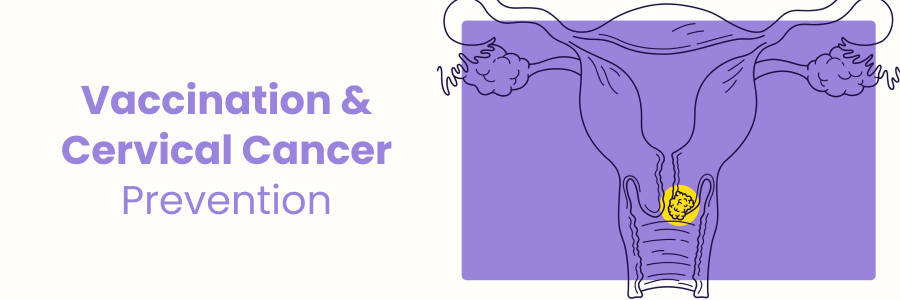
Cervical cancer happens when cells lining the cervix, that connects the lower part of the uterus to the vagina, grow out of control. It is most often caused by infection with specific types of human papillomavirus (HPV), a common sexually transmitted virus.
The Role of HPV in Cervical Cancer
It is called HPV because more than 200 related viruses have been identified. Occasionally, some types cause genital warts, and others of the very low-risk type may also end in cervical cancer. Approximately 70% of cervical cancer cases are due to high-risk HPV types, especially type-16 and -18.
Symptoms and Diagnosis
Early stages of cervical cancer rarely produce any kind of symptom. Symptoms, when present, may include abnormal vaginal bleeding or pain during intercourse. Pap smears and HPV tests are important in detecting the disease at an early stage for prompt treatment.
Preventing Cervical Cancer with Vaccines
When it comes to cervical cancer, getting vaccinated with the HPV vaccine can help reduce your risk. Vaccines act by eliciting the generation of specific antibodies against an HPV infection.
Available Vaccines
The Food and Drug Administration (FDA) has licensed three vaccines to prevent HPV infection: Gardasil, Gardasil 9, and Cervarix. This included vaccines to protect against the most type high-risk HPV which causes cervical cancer.
Who Should Get Vaccinated?
Boys and girls should get the HPV vaccine when they are 11 or 12 years old, at the latest. Girls as young as age nine may also receive it, according to recommendations from the CDC. It is recommended for males through age 21 and females through age 26, if they were not vaccinated at a younger series. In some cases, vaccination may be advised till 45 years.
Benefits of Cervical Cancer Vaccination
Reduced Incidence of Cervical Cancer
Multiple studies have demonstrated that high levels of HPV vaccination can lead to substantial reductions in the rates of cervical cancer. HPV infection and cervical pre-cancer have sharply declined in countries with high vaccination coverage.
Protection Against Other Cancers
The HPV vaccine also provides protection against other cancers related to human papillomavirus (HPV): anal, mouth/throat & penile cancer in boys and vulvar or a second dose of PPD for many children. This final protection illustrates the importance of males and females being vaccinated alike.
Herd Immunity
Herd immunity is possible with high vaccination rates, meaning people not vaccinated are less likely to get HPV since the virus would circulate less. Such community-wide protection is key to controlling the prevalence of HPV.
Impact of Vaccination on Cervical Cancer Rates
Long-Term Benefits
The ultimate cost of cervical cancer from HPV vaccination will only be apparent with time since the vaccine had to prevent an infection that could cause a case many years later. However, the initial results are encouraging, as they demonstrate a marked reduction in high-grade HPV infections and associated conditions.
Addressing Concerns and Misconceptions
Vaccine Safety
One of the most common worries about HPV vaccines is their safety. HPV vaccination is well tested and be safe vaccine using extensive research and monitoring. Side effects are usually mild, manifesting as soreness where the shot was given in your arm, a fever or headache.
Misconceptions About Vaccination
Some people think that vaccination for HPV may push teens to have sex. Yet these changes in attitudes have not translated into a decreased portrayal of sexual activity or increased stereotypes about individuals with and vaccinated against HPV. Remember: the ultimate end goal is to prevent cancer, not alter sexual behaviour.
The Importance of Widespread Vaccination
Increasing Vaccination Rates
Vaccination Human healthcare providers have a critical role in promoting HPV vaccination. Their recommendations are very powerful for patients who decide to get vaccinated. The man noted that providers need to teach patients and relatives about the benefits of vaccination while also addressing their concerns.
Role of Healthcare Providers
Healthcare professionals have a crucial role in encouraging HPV vaccinations. Their suggestions significantly influence the patients vaccinated. Support education of patients and families about the positive aspects of vaccines, as well as caregivers' worries;
Your health is everything - prioritize your well-being today.
Schedule Your AppointmentConclusion
Vaccination is an important key to protecting yourself from cervical cancer. HPV vaccines produce overall reduction and potential elimination of this viral-mediated malignancy as it protect lodging high-risk strains. Broad-based immunisation with regular screening is important for cervical cancer control and, eventually, elimination.
In conclusion, HPV vaccination provides benefits other than cervical cancer prevention and confers herd immunity. Working to alleviate those concerns and raise immunisation rates would greatly move the needle on cervical cancer globally.
This is where vaccination and regular screening can lead the future to live free from cervical cancer. Stay safe and keep your family members protected by being aware of what is going on with HPV vaccination.
Frequently Asked Questions
Vaccination helps protect against HPV, which significantly reduces the risk of cervical cancer.
The recommended age is 11-12 years, but vaccination can be given up to age 45.
Yes, there are vaccines that protect against multiple strains of HPV.
HPV vaccines are highly effective in preventing infections that cause most cervical cancers.
Yes, HPV vaccines are available for adults up to age 45.
Consult with your healthcare provider or visit Medicover Hospitals websites.
- Cardiology
- Case Studies
- Dermatology
- Endocrinology
- ENT
- Fertility
- Gastroenterology
- General
- General-Medicine
- Gynecology
- Hematology
- Infectious-Diseases
- Medical News
- Neurology
- Oncology
- Ophthalmology
- Orthopedics
- Pediatrics
- Procedure
- Public-Health
- Pulmonology
- Radiology
- Second Opinion
- Urology
- Wellness
- Woman-and-child
Related Blogs
Still have questions? Speak with our experts now!
040-68334455


