 Call
Call Patient Reports
- Cardiology 84
- Dermatology 45
- Endocrinology 33
- ENT 16
- Fertility 190
- Gastroenterology 78
- General-Medicine 81
- Gynecology 80
- Hematology 19
- Infectious-Diseases 33
- Neurology 52
- Oncology 34
- Ophthalmology 23
- Orthopedics 69
- Pediatrics 31
- Procedure 23
- Public-Health 144
- Pulmonology 59
- Radiology 8
- Urology 68
- Wellness 161
- Woman-and-child 77
- 3759
- 3.5 Minute
Understanding Uterus Infections: Symptoms and Treatments
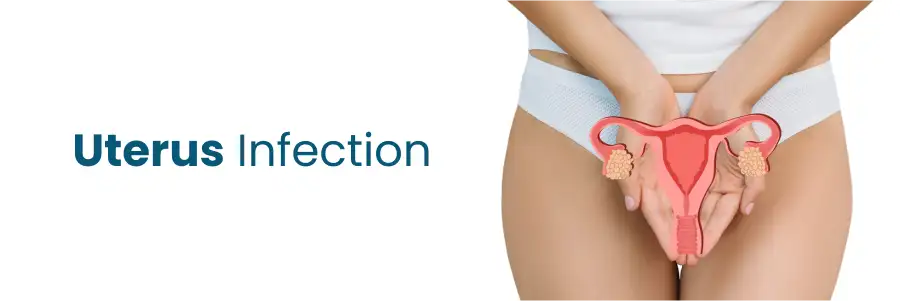
Uterus infections, medically known as endometritis, are a significant health concern that can affect women of various age groups. This article delves into the symptoms, diagnosis, and treatments of uterus infections, aiming to provide a comprehensive understanding of this condition.
What is a Uterus Infection?
A uterus infection, or endometritis, refers to the inflammation of the endometrium, the inner lining of the uterus. This condition can result from bacterial, viral, or fungal infections, and may occur after childbirth, miscarriage, or certain medical procedures.
Get a second opinion from trusted experts and makeconfident, informed decisions.
Get Second OpinionNot sure where to start?
Talk to a patient care advisor — free, confidential, 24/7. We'll match you to the right specialist and book your appointment in minutes.
Symptoms of Uterine Infection
Recognizing the symptoms of a uterine infection is crucial for early diagnosis and treatment. Common symptoms include:
Pelvic Pain
One of the most prevalent symptoms of a uterus infection is pelvic pain. This pain can range from mild to severe and may be accompanied by tenderness in the lower abdomen.
Abnormal Vaginal Discharge
Women with a uterus infection often experience abnormal vaginal discharge. This discharge may be thick, foul-smelling, or contain pus.
Fever and Chills
Fever and chills are systemic symptoms that indicate an ongoing infection. A persistent high fever is a red flag that should not be ignored.
Irregular Menstrual Bleeding
Irregular menstrual bleeding, including spotting between periods or heavy menstrual flow, can be a symptom of a uterus infection.
Pain During Intercourse
Dyspareunia, or pain during intercourse, is another common symptom that can signal the presence of a uterus infection.
Other Symptoms
Other symptoms may include fatigue, malaise, and a general feeling of being unwell. In severe cases, symptoms such as nausea, vomiting, and diarrhea can also occur.
Diagnosis of Uterus Infection
Accurate diagnosis is essential for effective treatment. The following diagnostic methods are commonly used:
Medical History and Physical Examination
A thorough medical history and physical examination are the first steps in diagnosing a uterus infection. The doctor will inquire about symptoms, recent childbirth, miscarriages, or medical procedures.
Laboratory Tests
Laboratory tests, including blood tests and cultures of vaginal discharge, can help identify the causative agent of the infection.
Imaging Studies
Imaging studies, such as ultrasound or MRI, may be necessary to assess the extent of the infection and rule out other potential causes of symptoms.
Endometrial Biopsy
In some cases, an endometrial biopsy may be performed to obtain a tissue sample for further analysis. This procedure helps confirm the diagnosis and identify the specific type of infection.
Treatment for Uterus Infection
Treatment for a uterus infection typically involves a combination of medications and supportive care. The following are common treatment options:
Antibiotics for Uterine Infection
Antibiotics are the primary treatment for bacterial uterus infections. The choice of antibiotic depends on the type of bacteria identified through laboratory tests. Commonly prescribed antibiotics include doxycycline, clindamycin, and metronidazole.
Antiviral and Antifungal Medications
For viral or fungal infections, antiviral or antifungal medications are prescribed. The specific medication and duration of treatment depend on the type and severity of the infection.
Pain Management
Pain management is an integral part of treatment. Over-the-counter pain relievers such as ibuprofen or acetaminophen can help alleviate pelvic pain and discomfort.
Hospitalization and Intravenous Antibiotics
In severe cases, hospitalization may be required. Intravenous antibiotics are administered to ensure rapid and effective treatment of the infection.
Surgical Intervention
In rare cases where the infection does not respond to medication, surgical intervention may be necessary. Procedures such as dilation and curettage (D&C) or hysterectomy may be performed to remove infected tissue.
Preventing Uterus Infection
Prevention is always better than cure. The following measures can help reduce the risk of developing a uterus infection:
Good Hygiene Practices
Maintaining good hygiene, especially during menstruation and after childbirth, is essential. Regularly changing sanitary products and avoiding the use of tampons or menstrual cups for extended periods can help prevent infections.
Safe Sexual Practices
Practicing safe sex, including the use of condoms, can reduce the risk of sexually transmitted infections that can lead to uterus infections.
Timely Medical Care
Seeking timely medical care for any symptoms of infection, especially after childbirth or medical procedures, is crucial. Prompt treatment can prevent the infection from spreading and causing complications.
Regular Check-ups
Regular gynecological check-ups can help detect and address any potential issues early. Routine screenings and tests are vital for maintaining reproductive health.
Chronic Uterus Infection
In some cases, a uterus infection can become chronic, leading to recurrent symptoms and complications. Chronic uterus infections require long-term management and follow-up care. The treatment approach may include:
Long-term Antibiotic Therapy
Long-term antibiotic therapy may be necessary to manage chronic infections. The duration and choice of antibiotics depend on the severity and type of infection.
Lifestyle Modifications
Lifestyle modifications, including stress management, a healthy diet, and regular exercise, can support the body's immune system and improve overall health.
Your health is everything - prioritize your well-being today.
Schedule Your AppointmentRegular Monitoring
Regular monitoring and follow-up appointments with a healthcare provider are essential for managing chronic uterus infections. These appointments help assess the effectiveness of treatment and make necessary adjustments.
Conclusion
Uterus infections are a serious health concern that requires timely diagnosis and treatment. Recognizing the symptoms and seeking medical care promptly can prevent complications and improve outcomes. By following preventive measures and adhering to prescribed treatments, women can maintain their reproductive health and well-being.
Frequently Asked Questions
A uterus infection, or endometritis, is an inflammation of the lining of the uterus, often caused by bacterial infections.
Symptoms may include pelvic pain, fever, abnormal vaginal discharge, and irregular menstrual bleeding.
Diagnosis typically involves a pelvic exam, ultrasound, and possibly a culture of vaginal discharge.
Treatment often includes antibiotics, and in severe cases, surgery may be required to remove infected tissue.
Preventive measures include practicing safe sex, maintaining good hygiene, and regular gynecological check-ups.
- Cardiology
- Case Studies
- Dermatology
- Endocrinology
- ENT
- Fertility
- Gastroenterology
- General
- General-Medicine
- Gynecology
- Hematology
- Infectious-Diseases
- Medical News
- Neurology
- Oncology
- Ophthalmology
- Orthopedics
- Pediatrics
- Procedure
- Public-Health
- Pulmonology
- Radiology
- Second Opinion
- Urology
- Wellness
- Woman-and-child
Related Blogs
Still have questions? Speak with our experts now!
040-68334455


