 Call
Call Patient Reports
- Cardiology 84
- Dermatology 45
- Endocrinology 33
- ENT 16
- Fertility 190
- Gastroenterology 78
- General-Medicine 81
- Gynecology 80
- Hematology 19
- Infectious-Diseases 33
- Neurology 52
- Oncology 34
- Ophthalmology 23
- Orthopedics 69
- Pediatrics 31
- Procedure 23
- Public-Health 144
- Pulmonology 59
- Radiology 8
- Urology 68
- Wellness 161
- Woman-and-child 77
- 3759
- 3.5 Minute
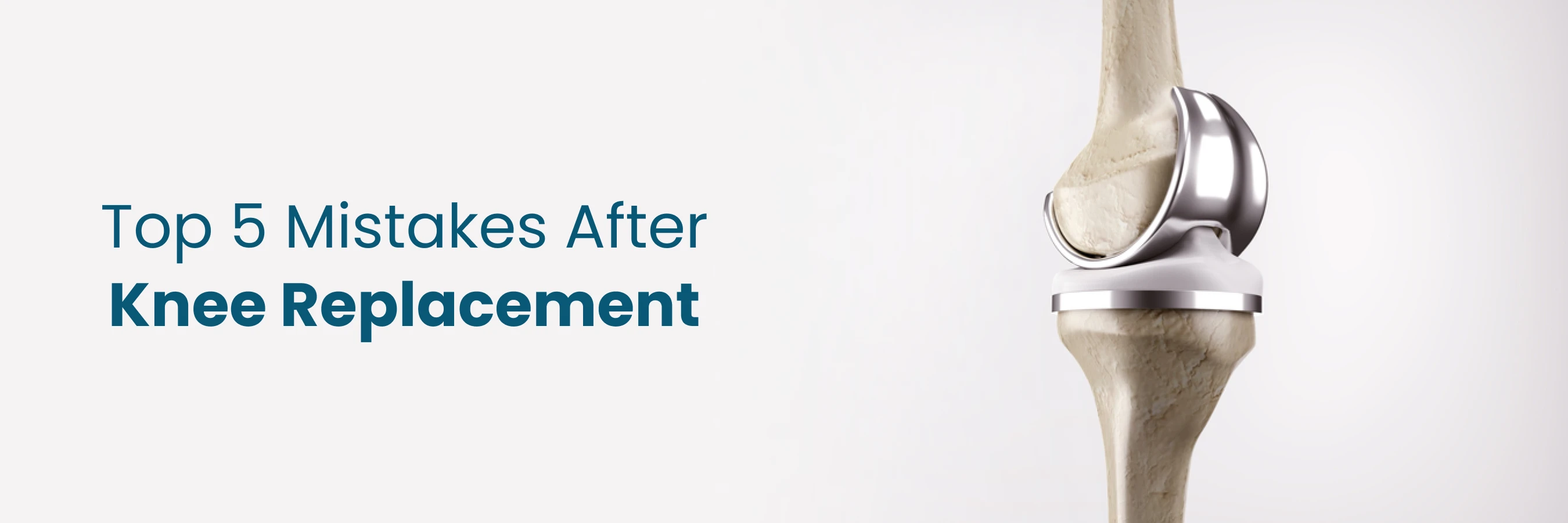
Top 5 Mistakes after Knee Replacement
Knee replacement surgery can be a life-changing procedure, offering relief from chronic pain and improving mobility. However, the recovery process is crucial to ensure the best possible outcome. Many patients eager to resume their normal activities may inadvertently make mistakes that can hinder their recovery.
In this article, we'll discuss the top five mistakes after knee replacement surgery and how to avoid them.
Mistake #1: Skipping Physical Therapy
The Importance of Physical Therapy
Physical therapy is essential for a successful recovery after knee replacement surgery. Skipping these sessions can lead to stiffness, reduced mobility, and even complications that may require additional surgery. Physical therapists guide patients through exercises designed to strengthen the knee, improve flexibility, and ensure proper healing.
How to Avoid This Mistake
Attend all scheduled physical therapy sessions. If you can't attend in person, consult your healthcare provider about virtual sessions. Consistency is critical, so follow the prescribed exercises at home as well.
Get a second opinion from trusted experts and makeconfident, informed decisions.
Get Second OpinionNot sure where to start?
Talk to a patient care advisor — free, confidential, 24/7. We'll match you to the right specialist and book your appointment in minutes.
Mistake #2: Overdoing Physical Activity
Understanding Physical Limitations
While it's important to stay active after surgery, doing too much too soon can be detrimental. Overexertion can lead to swelling, increased pain, and even damage to the new knee joint.
How to Avoid This Mistake?
Listen to your body and follow your surgeon's guidelines on activity levels. Start with low-impact activities like walking and gradually increase your activity level as advised by your healthcare provider. Avoid high-impact activities like running and jumping until you receive clearance from your doctor.
Mistake #3: Neglecting Pain Management
The Role of Pain Management
Effective pain management is crucial for a smooth recovery. Neglecting to manage pain can make it difficult to perform necessary exercises and can negatively affect your overall recovery experience.
How to Avoid This Mistake?
Take prescribed pain medications as directed by your doctor. Don't wait until the pain becomes unbearable to take your medication. Additionally, complementary therapies such as ice packs, elevation, and gentle massage can be considered to manage pain effectively.
Mistake #4: Ignoring Signs of Complications
Recognizing Complications
After knee replacement surgery, it's vital to monitor for signs of complications such as infection, blood clots, or implant issues. Ignoring these signs can lead to severe health problems and potentially require additional surgery.
How to Avoid This Mistake?
Be vigilant about your health and promptly report any unusual symptoms to your healthcare provider. Signs to watch for include excessive swelling, redness, warmth around the knee, severe pain, or fever. Early detection and treatment of complications can significantly improve outcomes.
Mistake #5: Not Following Post-Surgery Instructions
The Importance of Adhering to Guidelines
Your surgeon will provide specific post-surgery instructions tailored to your recovery. Ignoring these guidelines can lead to setbacks and complications, prolonging your recovery time.
How to Avoid This Mistake?
Carefully follow all post-surgery instructions provided by your surgeon. This includes taking medications as prescribed, attending follow-up appointments, and adhering to activity restrictions. If you have any questions or concerns about your recovery plan, don't hesitate to contact your healthcare provider for clarification.
Your health is everything - prioritize your well-being today.
Schedule Your AppointmentConclusion
Recovering from knee replacement surgery requires patience, dedication, and attention to detail. By avoiding these top 5 mistakes after knee replacement surgery, you can improve your chances of a successful recovery and return to your normal activities sooner.
Remember to attend all physical therapy sessions, listen to your body, manage pain effectively, watch for signs of complications, and follow your surgeon's post-surgery instructions. With the right approach, you can ensure a smoother and more effective recovery process.
Frequently Asked Questions
The biggest complaint after knee replacement surgery is often persistent pain and stiffness, which can significantly impact mobility and daily activities.
After knee replacement, avoid high-impact activities like running and heavy lifting, as well as movements involving excessive twisting or pivoting to protect the new joint.
Avoid sugary, processed, and fried foods, as well as excessive alcohol, to reduce inflammation and support effective healing after knee replacement surgery.
- Cardiology
- Case Studies
- Dermatology
- Endocrinology
- ENT
- Fertility
- Gastroenterology
- General
- General-Medicine
- Gynecology
- Hematology
- Infectious-Diseases
- Medical News
- Neurology
- Oncology
- Ophthalmology
- Orthopedics
- Pediatrics
- Procedure
- Public-Health
- Pulmonology
- Radiology
- Second Opinion
- Urology
- Wellness
- Woman-and-child
Related Blogs
Still have questions? Speak with our experts now!
040-68334455


