 Call
Call Patient Reports
- Cardiology 84
- Dermatology 45
- Endocrinology 33
- ENT 16
- Fertility 190
- Gastroenterology 78
- General-Medicine 81
- Gynecology 80
- Hematology 19
- Infectious-Diseases 33
- Neurology 52
- Oncology 34
- Ophthalmology 23
- Orthopedics 69
- Pediatrics 31
- Procedure 23
- Public-Health 144
- Pulmonology 59
- Radiology 8
- Urology 68
- Wellness 161
- Woman-and-child 77
- 3759
- 3.5 Minute
Understanding and Managing Tailbone Pain Effectively
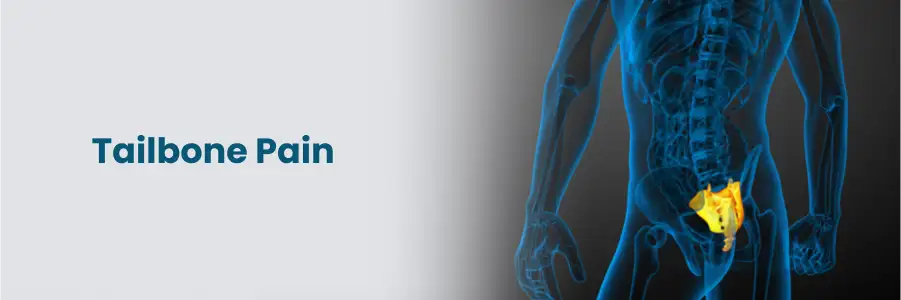
Tailbone pain, medically known as coccydynia, can be an excruciating and debilitating condition affecting your day-to-day activities. Understanding its root causes, symptoms, and effective management strategies is crucial for alleviating discomfort and enhancing overall well-being.
We will delve into the nuances of tailbone pain and provide actionable insights for effective management.
Get a second opinion from trusted experts and makeconfident, informed decisions.
Get Second OpinionNot sure where to start?
Talk to a patient care advisor — free, confidential, 24/7. We'll match you to the right specialist and book your appointment in minutes.
Symptoms of Tailbone Pain
Tailbone pain is often characterized by a persistent ache or sharp pain at the bottom of your spine, between your buttocks. The symptoms can vary in intensity and may include:
- Pain that worsens when sitting for long periods
- Discomfort during bowel movements
- Pain during sexual intercourse
- Localized pain and tenderness in the tailbone area
Individuals experiencing these symptoms should seek medical consultation to determine the underlying cause and appropriate treatment.
Causes of Tailbone Pain
Several factors can contribute to the onset of tailbone pain, and understanding these can help in effective diagnosis and treatment. Common causes include:
- Trauma: A direct fall or impact on the tailbone can lead to bruising, dislocation, or fractures.
- Repetitive Strain: Activities that place prolonged pressure on the tailbone, such as cycling or rowing, can cause strain.
- Childbirth: The pressure exerted during childbirth can sometimes injure the tailbone.
- Poor Posture: Consistently sitting in an improper posture can stress the tailbone.
- Obesity: Excess weight can increase pressure on the tailbone, leading to pain.
- Infections or Tumors: Although rare, these can also cause tailbone pain.
Tailbone Pain and Pregnancy
Understanding the Connection
Tailbone pain during pregnancy is relatively common due to the physiological changes occurring in the body. As the pregnancy progresses, the pelvic ligaments loosen in preparation for childbirth, causing instability and pain in the tailbone area.
Management Strategies
To manage tailbone pain during pregnancy, consider the following strategies:
- Use a Donut Pillow: Sitting on a donut-shaped cushion can alleviate pressure on the tailbone.
- Practice Good Posture: Maintain an upright posture to reduce strain.
- Perform Gentle Exercises: Engage in pregnancy-safe exercises to strengthen the pelvic muscles.
- Consult a Healthcare Provider: Seek advice from your healthcare provider for tailored pain relief methods.
Tailbone Pain and Posture
The Impact of Poor Posture
Poor posture, especially prolonged slouching, can exacerbate tailbone pain. When you sit incorrectly, undue pressure is placed on the coccyx, leading to pain and discomfort.
Correcting Posture
To prevent and manage tailbone pain associated with poor posture:
- Sit Correctly: Ensure your back is supported and your feet are flat on the floor.
- Use Ergonomic Furniture: Invest in chairs that support proper posture.
- Take Breaks: Avoid sitting for extended periods; stand up and stretch regularly.
- Strengthen Core Muscles: Engage in exercises that strengthen your core to support better posture.
Tailbone Pain Relief Exercises
Stretching and Strengthening Exercises
Incorporating specific exercises into your routine can significantly alleviate tailbone pain. Here are some effective exercises:
Child’s Pose
This yoga pose gently stretches the muscles around the tailbone.
- Kneel on the floor with your big toes touching and knees spread apart.
- Sit back on your heels and extend your arms forward, lowering your torso toward the floor.
- Hold the pose for 20-30 seconds while breathing deeply.
Piriformis Stretch
This stretch targets the piriformis muscle, which can impact tailbone pain.
- Lie on your back with your knees bent and feet flat on the floor.
- Cross one ankle over the opposite knee.
- Pull the uncrossed leg toward your chest until a stretch is felt in the buttock.
- Hold for 20-30 seconds and switch sides.
Cat-Cow Stretch
This exercise increases the flexibility of the spine and relieves tension in the tailbone area.
- Start on your hands and knees in a tabletop position.
- Inhale, arching your back and lifting your head and tailbone toward the ceiling (Cow Pose).
- Exhale, rounding your spine and tucking your chin and tailbone (Cat Pose).
- Repeat for 10-15 cycles.
Tailbone Pain Treatment
Medical Interventions
If home remedies and lifestyle changes do not provide relief, medical intervention may be necessary. Common treatments include:
- Medication: The pain relievers or prescription medications can help manage pain.
- Physical Therapy: A physical therapist can develop an exercise and treatment plan.
- Injections: Corticosteroid injections can reduce inflammation and pain.
- Surgery: In severe cases, surgical removal of the tailbone (coccygectomy) may be considered.
Alternative Therapies
Some individuals find relief through alternative therapies such as:
- Chiropractic Care: Adjustments can help realign the spine and reduce tailbone pain.
- Acupuncture: This traditional Chinese medicine technique may alleviate pain by stimulating specific points in the body.
- Massage Therapy: Targeted massage can relieve muscle tension around the tailbone.
Your health is everything - prioritize your well-being today.
Schedule Your AppointmentConclusion
Tailbone pain can significantly impact your quality of life, but understanding its causes and implementing effective management strategies can provide relief. Whether through posture correction, targeted exercises, or medical treatment, addressing tailbone pain head-on will enable you to regain comfort and functionality.
Frequently Asked Questions
Causes may include trauma, prolonged sitting, or conditions like coccydynia, which affects the tailbone area.
Treatment options include pain management strategies, physical therapy, and in severe cases, injections or surgery.
Symptoms typically include localized pain at the tailbone, which may worsen during sitting or certain movements.
Relief exercises may include pelvic tilts, stretching, and gentle yoga poses aimed at easing tension in the lower back.
Many pregnant women experience tailbone pain due to changes in posture and pressure on the pelvic area.
- Cardiology
- Case Studies
- Dermatology
- Endocrinology
- ENT
- Fertility
- Gastroenterology
- General
- General-Medicine
- Gynecology
- Hematology
- Infectious-Diseases
- Medical News
- Neurology
- Oncology
- Ophthalmology
- Orthopedics
- Pediatrics
- Procedure
- Public-Health
- Pulmonology
- Radiology
- Second Opinion
- Urology
- Wellness
- Woman-and-child
Related Blogs
Still have questions? Speak with our experts now!
040-68334455


