 Call
Call Patient Reports
- Cardiology 84
- Dermatology 45
- Endocrinology 33
- ENT 16
- Fertility 190
- Gastroenterology 78
- General-Medicine 81
- Gynecology 80
- Hematology 19
- Infectious-Diseases 33
- Neurology 52
- Oncology 34
- Ophthalmology 23
- Orthopedics 69
- Pediatrics 31
- Procedure 23
- Public-Health 144
- Pulmonology 59
- Radiology 8
- Urology 68
- Wellness 161
- Woman-and-child 77
- 3759
- 3.5 Minute
Managing Chronic Pain After Pregnancy: Effective Strategies
Experiencing chronic pain postpartum can be overwhelming. As a new mother, you already have many responsibilities, and dealing with persistent pain can make daily tasks even more challenging. Understanding how to manage chronic pain after childbirth is essential for your well-being and overall quality of life.
Causes of Chronic Pain After Pregnancy
Physical Changes: During pregnancy, your body undergoes significant adjustments to accommodate your growing baby. These changes can strain muscles, ligaments, and joints, potentially leading to chronic pain postpartum.
Labor and Delivery: The physical demands of labor and delivery, including complications such as prolonged labor or a C-section, can contribute to chronic pain after pregnancy.
Hormonal Fluctuations: Hormonal changes during and after pregnancy, including the hormone relaxin, which loosens joints and ligaments, can lead to joint instability and pain postpartum.
Pre-existing Conditions: Pre-existing conditions such as back pain or fibromyalgia may worsen after pregnancy, leading to chronic pain.
Get a second opinion from trusted experts and makeconfident, informed decisions.
Get Second OpinionNot sure where to start?
Talk to a patient care advisor — free, confidential, 24/7. We'll match you to the right specialist and book your appointment in minutes.
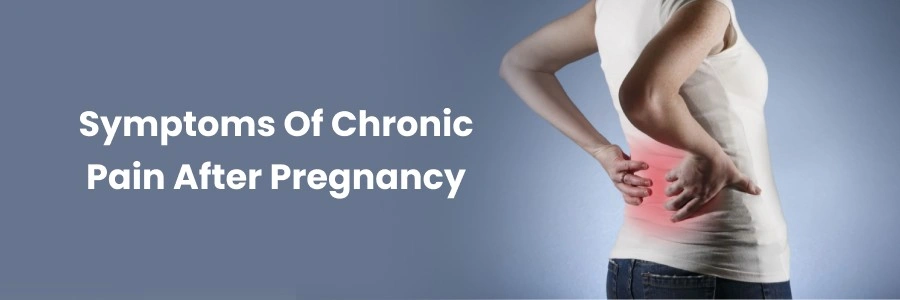
Common Symptoms of Chronic Pain Postpartum
Recognizing the symptoms of chronic pain after pregnancy is crucial for effective management. Common symptoms include:
- Back pain is a frequent complaint among new mothers, often resulting from the physical strain of pregnancy and the added stress of lifting and caring for your baby.
- Pelvic pain may persist postpartum due to the stretching and shifting of pelvic muscles and ligaments during pregnancy and childbirth.
- Joint pain, especially in the hips, knees, and wrists, is common after pregnancy. This can be due to hormonal changes, increased weight during pregnancy, and the physical demands of caring for a newborn.
- Hormonal fluctuations, sleep deprivation, and stress can contribute to chronic headaches postpartum.
- Muscle pain and stiffness can result from the physical demands of pregnancy, labor, and caring for a newborn.
Strategies for Managing Chronic Pain After Pregnancy
Physical Therapy: It can be highly effective in managing chronic pain postpartum. A physical therapist can create a personalized exercise program to strengthen muscles, improve posture, and alleviate pain.
Pain Medication: Over-the-counter pain medications such as acetaminophen or ibuprofen can help with mild to moderate pain. For more severe pain, your doctor might prescribe stronger medications.
Hot and Cold Therapy: Applying heat or cold to painful areas can provide relief. Use a heating pad or warm compress for muscle pain and stiffness, and ice packs for inflammation and swelling.
Exercise: Regular exercise can help reduce chronic pain and improve overall well-being. Focus on low-impact activities like walking, swimming, and yoga. Consult your doctor before starting any new exercise routine.
Posture Correction: Maintaining good posture can alleviate back and joint pain. Be mindful of your posture while sitting, standing, and lifting your baby.
Massage Therapy: Massage therapy can help relieve muscle tension and reduce pain. Consider regular sessions with a licensed therapist who specializes in postpartum care.
Stress Management: Managing stress is crucial for pain relief. Practice stress-reducing techniques such as deep breathing, meditation, and mindfulness.
Support Groups: Joining a support group for new mothers can provide emotional support and practical advice for managing chronic pain. Sharing experiences with others who understand can be incredibly helpful.
Sleep: Adequate rest is essential for managing pain. Although it can be challenging with a newborn, prioritize sleep when possible. Nap when your baby naps and seek help from family and friends.
When to Seek Medical Help
While many cases of chronic pain postpartum can be managed with self-care, seek medical help if:
- Your pain is severe and persistent
- You experience numbness or tingling
- Pain interferes with daily activities
- You notice signs of infection, such as fever or redness at the pain site
Your doctor can assess your symptoms, provide a diagnosis, and recommend appropriate treatments. Sometimes, referral to a specialist such as a pain management doctor or rheumatologist may be needed.
Your health is everything - prioritize your well-being today.
Schedule Your AppointmentConclusion
Managing chronic pain after pregnancy is vital for your health and quality of life. By understanding the causes and symptoms of postpartum chronic pain and implementing effective management strategies, you can alleviate your pain and improve your overall well-being.
Remember, seeking support from healthcare professionals, support groups, and loved ones can make this journey more manageable.
Frequently Asked Questions
Symptoms include persistent pelvic pain, back pain, and joint discomfort.
It can impact daily activities, work, and overall quality of life, making it challenging to perform routine tasks.
Strategies include physical therapy, pain relief medications, and gentle exercise.
Yes, lifestyle changes such as maintaining a healthy weight, staying active, and managing stress can help alleviate pain.
Consultation is recommended if pain is severe, persistent, or affects daily functioning despite self-care measures.
- Cardiology
- Case Studies
- Dermatology
- Endocrinology
- ENT
- Fertility
- Gastroenterology
- General
- General-Medicine
- Gynecology
- Hematology
- Infectious-Diseases
- Medical News
- Neurology
- Oncology
- Ophthalmology
- Orthopedics
- Pediatrics
- Procedure
- Public-Health
- Pulmonology
- Radiology
- Second Opinion
- Urology
- Wellness
- Woman-and-child
Related Blogs
Still have questions? Speak with our experts now!
040-68334455


