 Call
Call Patient Reports
- Cardiology 84
- Dermatology 45
- Endocrinology 33
- ENT 16
- Fertility 190
- Gastroenterology 78
- General-Medicine 81
- Gynecology 80
- Hematology 19
- Infectious-Diseases 33
- Neurology 52
- Oncology 34
- Ophthalmology 23
- Orthopedics 69
- Pediatrics 31
- Procedure 23
- Public-Health 144
- Pulmonology 59
- Radiology 8
- Urology 68
- Wellness 161
- Woman-and-child 77
- 3759
- 3.5 Minute
Understanding Spondylitis: Neck Pain Insights
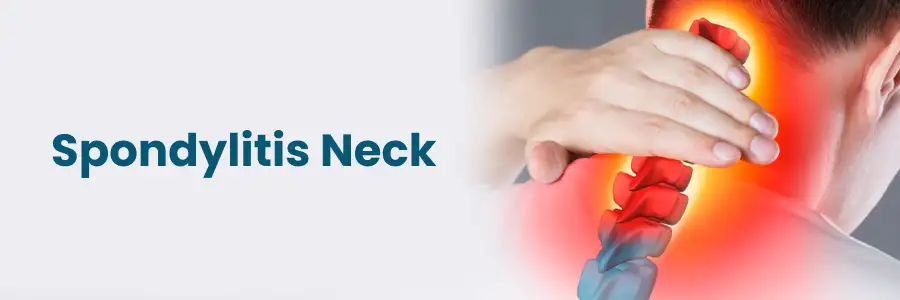
Understanding spondylitis, particularly as it affects the neck, is crucial for managing and alleviating the associated discomfort and pain. Cervical spondylitis, also known as cervical osteoarthritis, is a degenerative condition that affects the cervical spine.
This article delves into the symptoms, causes, diagnosis, and treatment options for neck spondylitis, providing comprehensive insights for those suffering from this condition.
Symptoms of Cervical Spondylitis
The symptoms of cervical spondylitis can vary significantly from person to person, often depending on the severity of the condition. However, there are several common symptoms that are typically associated with this condition.
Common Symptoms
- Neck Pain: Persistent pain in the neck is the most common symptom. This pain may worsen with prolonged periods of sitting, standing, or other activities that strain the neck.
- Stiffness: Reduced flexibility and stiffness in the neck, especially after waking up or after periods of inactivity.
- Headaches: Frequent headaches, particularly in the back of the head, can be a symptom of cervical spondylitis.
- Numbness and Tingling: Sensations of numbness or tingling in the arms, hands, and fingers due to nerve compression.
- Weakness: Muscle weakness in the arms, shoulders, and hands can occur as the condition progresses.
Get a second opinion from trusted experts and makeconfident, informed decisions.
Get Second OpinionNot sure where to start?
Talk to a patient care advisor — free, confidential, 24/7. We'll match you to the right specialist and book your appointment in minutes.
Severe Symptoms
In more advanced cases, cervical spondylitis may lead to more severe symptoms such as:
- Loss of Balance: Difficulty in maintaining balance, which can lead to frequent falls.
- Loss of Bladder or Bowel Control: In extreme cases, nerve compression may affect bladder or bowel control, necessitating immediate medical attention.
Causes of Neck Spondylitis
The causes of neck spondylitis are multifaceted, involving both genetic and environmental factors. Understanding these causes can aid in managing and potentially mitigating the condition.
Age-Related Wear and Tear
Cervical spondylitis is primarily caused by age-related wear and tear of the cervical spine. As individuals age, the intervertebral discs in the spine lose their moisture and elasticity, leading to degeneration.
Genetic Predisposition
A family history of spinal disorders can increase the likelihood of developing cervical spondylitis. Genetic factors may influence the rate of disc degeneration and the development of osteoarthritis.
Lifestyle Factors
- Sedentary Lifestyle: Lack of physical activity can contribute to the weakening of muscles that support the cervical spine.
- Poor Posture: Prolonged poor posture, especially while sitting or working at a computer, can strain the cervical spine.
- Smoking: Tobacco use can accelerate the degeneration of spinal discs.
Cervical Spondylitis Diagnosis
Diagnosing cervical spondylitis involves a combination of clinical evaluation, imaging studies, and occasionally, nerve function tests.
Clinical Evaluation
A thorough clinical evaluation by a healthcare provider is the first step in diagnosing cervical spondylitis. This includes a detailed medical history and a physical examination to assess neck flexibility, muscle strength, and reflexes.
Imaging Studies
- X-rays: X-rays of the cervical spine can reveal bone spurs, disc space narrowing, and other signs of arthritis.
- MRI: Magnetic Resonance Imaging (MRI) provides detailed images of soft tissues, including intervertebral discs and nerves, helping to identify nerve compression.
- CT Scan: A Computed Tomography (CT) scan offers cross-sectional images of the spine, providing more detail than X-rays.
Nerve Function Tests
In cases where nerve involvement is suspected, nerve function tests such as electromyography (EMG) and nerve conduction studies may be performed to assess the electrical activity of muscles and nerves.
Treatment Options for Neck Spondylitis
Treatment for cervical spondylitis aims to relieve pain, improve function, and prevent further degeneration. A combination of lifestyle modifications, medications, physical therapy, and, in severe cases, surgical intervention may be recommended.
Medications
- Pain Relievers: Nonsteroidal anti-inflammatory drugs (NSAIDs) such as ibuprofen and naproxen can help reduce pain and inflammation.
- Muscle Relaxants: These can help alleviate muscle spasms.
- Corticosteroids: Oral or injectable corticosteroids may be prescribed to reduce severe inflammation.
Physical Therapy
Physical therapy plays a crucial role in managing cervical spondylitis. A physical therapist can design a personalized exercise regimen to improve neck strength and flexibility. Common exercises include:
- Neck Stretching Exercises: Gentle stretches to improve neck flexibility.
- Strengthening Exercises: Exercises to strengthen the muscles that support the cervical spine.
- Posture Training: Techniques to improve posture and reduce strain on the neck.
Assistive Devices
- Neck Pillow for Spondylitis: Ergonomic neck pillows can provide support and alleviate pain during sleep.
- Spondylitis Neck Band: Neck bands or collars may be recommended to immobilize and support the neck during acute flare-ups.
Surgical Intervention
In cases where conservative treatments fail to provide relief, surgical options may be considered. Common surgical procedures include:
- Discectomy: Removal of a herniated disc to relieve nerve compression.
- Laminectomy: Removal of part of the vertebra to create more space for the spinal cord and nerves.
- Spinal Fusion: Fusing two or more vertebrae to stabilize the spine.
Your health is everything - prioritize your well-being today.
Schedule Your AppointmentExercises for Cervical Spondylitis
Regular exercise is essential for managing cervical spondylitis. Here are some recommended exercises:
Neck Tilts
- Step 1: Sit or stand with a straight back.
- Step 2: Slowly tilt your head towards your shoulder, holding for a few seconds.
- Step 3: Return to the starting position and repeat on the other side.
Neck Rotations
- Step 1: Sit or stand with your back straight.
- Step 2: Slowly turn your head to the right, holding for a few seconds.
- Step 3: Return to the starting position and repeat on the left side.
Shoulder Shrugs
- Step 1: Stand with your feet shoulder-width apart.
- Step 2: Raise your shoulders towards your ears, holding for a few seconds.
- Step 3: Lower your shoulders and repeat.
Conclusion
Cervical spondylitis is a common condition that can significantly impact quality of life. By understanding the symptoms, causes, and treatment options, individuals can take proactive steps to manage their condition effectively.
Whether through lifestyle modifications, physical therapy, or medical interventions, there are numerous strategies available to alleviate pain and improve function. Always consult with a healthcare professional to determine the most appropriate treatment plan tailored to your specific needs.
Frequently Asked Questions
Symptoms often include neck pain and stiffness.
Treatment may involve physical therapy and pain management.
Gentle neck stretches and strengthening exercises are recommended.
Causes may include age-related changes and injury.
Diagnosis typically involves physical exams and imaging tests.
- Cardiology
- Case Studies
- Dermatology
- Endocrinology
- ENT
- Fertility
- Gastroenterology
- General
- General-Medicine
- Gynecology
- Hematology
- Infectious-Diseases
- Medical News
- Neurology
- Oncology
- Ophthalmology
- Orthopedics
- Pediatrics
- Procedure
- Public-Health
- Pulmonology
- Radiology
- Second Opinion
- Urology
- Wellness
- Woman-and-child
Related Blogs
Still have questions? Speak with our experts now!
040-68334455


