 Call
Call Patient Reports
- Cardiology 84
- Dermatology 45
- Endocrinology 33
- ENT 16
- Fertility 190
- Gastroenterology 78
- General-Medicine 81
- Gynecology 80
- Hematology 19
- Infectious-Diseases 33
- Neurology 52
- Oncology 34
- Ophthalmology 23
- Orthopedics 69
- Pediatrics 31
- Procedure 23
- Public-Health 144
- Pulmonology 59
- Radiology 8
- Urology 68
- Wellness 161
- Woman-and-child 77
- 3759
- 3.5 Minute
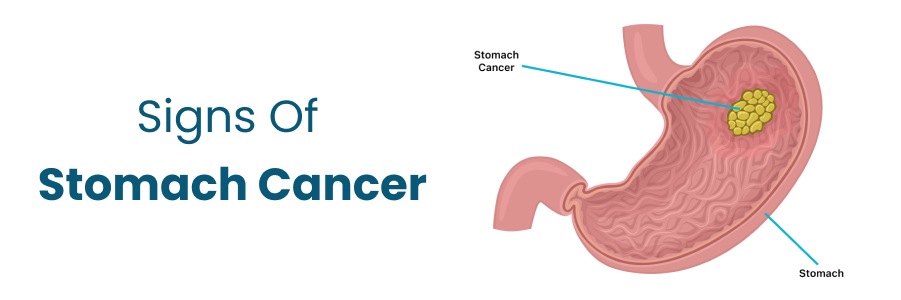
Signs of Stomach Cancer
Stomach cancer, also known as gastric cancer, is a serious disease that can be life-threatening if not diagnosed and treated early. Understanding the early signs and symptoms of stomach cancer can make a significant difference in treatment outcomes. This article will help you recognize the symptoms, understand the diagnosis process, and learn about the importance of early detection.
What Is Stomach Cancer?
Stomach cancer occurs when malignant cells form in the lining of the stomach. It can develop slowly over many years, and early symptoms are often mistaken for less severe conditions. Knowing what to look for can help you seek medical attention sooner, potentially improving your prognosis.
Early Signs and Symptoms of Stomach Cancer
Persistent Pain and Discomfort
One of the most common early signs of stomach cancer is persistent pain or discomfort in the stomach area. This pain can be dull or sharp and may not go away with typical over-the-counter medications.
Get a second opinion from trusted experts and makeconfident, informed decisions.
Get Second OpinionNot sure where to start?
Talk to a patient care advisor — free, confidential, 24/7. We'll match you to the right specialist and book your appointment in minutes.
Unexplained Weight Loss
Losing weight without trying can be a warning sign of many conditions, including stomach cancer. If you notice a significant drop in your weight and you haven't changed your diet or exercise routine, it's time to consult a doctor.
Appetite Changes
A sudden loss of appetite or feeling full after eating only a small amount of food can also be an early symptom of stomach cancer. This is often due to the cancer affecting the stomach's ability to process food.
Nausea and Vomiting
Persistent nausea and vomiting, especially if it is accompanied by blood, should not be ignored. These symptoms can indicate a problem in the stomach that needs to be examined by a medical professional.
Indigestion and Heartburn
While indigestion and heartburn are common and usually not serious, experiencing them frequently and severely can be a sign of stomach cancer. If over-the-counter medications do not relieve your symptoms, it's best to get checked out.
Other Warning Signs
Fatigue
Feeling unusually tired or weak without a clear reason can be a symptom of stomach cancer. This fatigue can result from the body's struggle to fight the cancer or from anemia caused by internal bleeding.
Blood in Stool
The presence of blood in your stool can be a sign of many gastrointestinal issues, including stomach cancer. If you notice dark or tarry stools, it's important to seek medical advice immediately.
Difficulty Swallowing
Difficulty swallowing, known as dysphagia, can occur if the cancer grows near the junction of the stomach and esophagus. This can make it hard to eat and may require medical evaluation.
Diagnosis of Stomach Cancer
Medical History and Physical Exam
Your doctor will start by taking a detailed medical history and performing a physical examination. They will ask about your symptoms, risk factors, and family history of cancer.
Endoscopy
An endoscopy involves using a thin, flexible tube with a camera to look inside your stomach. This procedure helps doctors see any abnormalities and take tissue samples for biopsy.
Imaging Tests
Imaging tests like CT scans, PET scans, and X-rays can provide detailed pictures of your stomach and help determine the extent of the cancer.
Biopsy
A biopsy involves taking a small tissue sample from the stomach lining to be examined under a microscope. This is the most definitive way to diagnose stomach cancer.
Importance of Early Detection
Early detection of stomach cancer significantly increases the chances of successful treatment. When diagnosed at an early stage, the cancer is more likely to be confined to the stomach, making it easier to treat with surgery, chemotherapy, or radiation therapy.
Risk Factors
Diet and Lifestyle
Certain dietary habits, such as consuming a lot of smoked, salted, or pickled foods, can increase your risk of stomach cancer. Smoking and heavy alcohol consumption are also risk factors.
Family History
A family history of stomach cancer can increase your risk. If you have close relatives who have had stomach cancer, you should be more vigilant about screening and early detection.
Medical Conditions
Certain medical conditions, like chronic gastritis, peptic ulcers, and Helicobacter pylori infection, can increase your risk of developing stomach cancer.
Treatment Options
Surgery
Surgery is often the first line of treatment for stomach cancer. Depending on the cancer's location and stage, this may involve removing part or all of the stomach.
Chemotherapy
Chemotherapy uses drugs to kill cancer cells. It can be used before surgery to shrink the tumor or after surgery to kill any remaining cancer cells.
Radiation Therapy
Radiation therapy uses high-energy rays to target and kill cancer cells. It is often used in combination with chemotherapy.
Targeted Therapy
Targeted therapy involves drugs that specifically target cancer cells without harming normal cells. This type of treatment is becoming more common as research advances.
Your health is everything - prioritize your well-being today.
Schedule Your AppointmentLiving with Stomach Cancer
Nutrition and Diet
Eating a balanced diet is crucial when living with stomach cancer. Work with a nutritionist to ensure you get the nutrients you need, especially if you have had part of your stomach removed.
Emotional Support
Dealing with cancer can be emotionally challenging. Seek support from friends, family, or professional counselors to help you cope with the stress and anxiety that comes with a cancer diagnosis.
Regular Follow-ups
After treatment, regular follow-up appointments are essential to monitor your health and catch any signs of recurrence early.
Conclusion
Recognizing the early signs of stomach cancer can save your life. If you experience any of the symptoms mentioned in this article, don't hesitate to seek medical advice. Early detection and treatment are key to improving your chances of a successful outcome.
Stay informed, stay vigilant, and take proactive steps to protect your health.
Frequently Asked Questions
Early signs may include persistent stomach pain, nausea, unexplained weight loss, loss of appetite, and a feeling of fullness after eating only a small amount of food.
Advanced symptoms may include persistent vomiting, blood in the stool or vomit, severe abdominal swelling, difficulty swallowing, and jaundice (yellowing of the skin and eyes).
Yes, stomach cancer can cause changes in bowel habits, such as persistent diarrhea or constipation, and can sometimes lead to an obstruction in the intestines.
Stomach cancer often leads to a decreased appetite, early satiety (feeling full after eating little), and sometimes a persistent feeling of nausea, which can further reduce food intake.
If any of these symptoms are experienced, particularly if they are persistent or worsening, it is important to seek medical evaluation for proper diagnosis and treatment.
- Cardiology
- Case Studies
- Dermatology
- Endocrinology
- ENT
- Fertility
- Gastroenterology
- General
- General-Medicine
- Gynecology
- Hematology
- Infectious-Diseases
- Medical News
- Neurology
- Oncology
- Ophthalmology
- Orthopedics
- Pediatrics
- Procedure
- Public-Health
- Pulmonology
- Radiology
- Second Opinion
- Urology
- Wellness
- Woman-and-child
Related Blogs
Still have questions? Speak with our experts now!
040-68334455


