 Call
Call Patient Reports
- Cardiology 84
- Dermatology 45
- Endocrinology 33
- ENT 16
- Fertility 190
- Gastroenterology 78
- General-Medicine 81
- Gynecology 80
- Hematology 19
- Infectious-Diseases 33
- Neurology 52
- Oncology 34
- Ophthalmology 23
- Orthopedics 69
- Pediatrics 31
- Procedure 23
- Public-Health 144
- Pulmonology 59
- Radiology 8
- Urology 68
- Wellness 161
- Woman-and-child 77
- 3624
- 3.5 Minute
Everything You Need to Know About Seasonal Affective Disorder
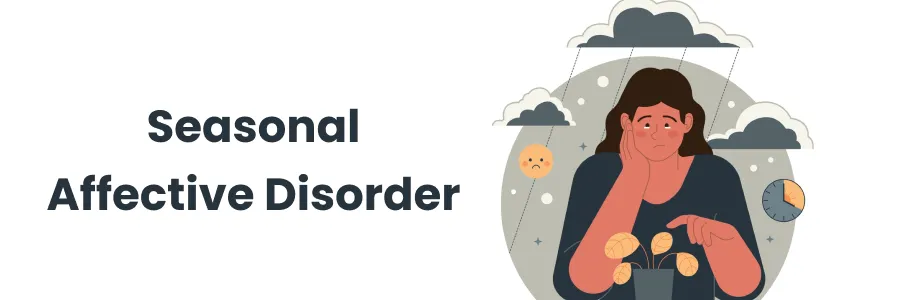
Seasonal Affective Disorder (SAD) is a type of depression that occurs at specific times of the year, primarily in the winter months when daylight is significantly reduced. However, some individuals suffer from SAD during the summer season as well, although this is less common.
Get a second opinion from trusted experts and makeconfident, informed decisions.
Get Second OpinionNot sure where to start?
Talk to a patient care advisor — free, confidential, 24/7. We'll match you to the right specialist and book your appointment in minutes.
Recognizing Seasonal Affective Disorder Symptoms
Typical symptoms of seasonal affective disorder include:
- Persistent low mood
- Lack of energy and feelings of lethargy
- Sleep disturbances, either insomnia or hypersomnia
- Changes in appetite or weight, often leading to cravings for carbohydrates
- Difficulty concentrating
- Feelings of hopelessness and worthlessness
These symptoms can significantly impact daily functioning and quality of life, necessitating effective treatment strategies.
Seasonal Affective Disorder in Summer
While it is typically known for hitting during the winter months, seasonal affective disorder can also impact people in the summer. Summer SAD can also manifest in increased levels of agitation, restlessness and insomnia due to the warmer days where you may be more likely to lose your patience or have trouble winding down at night; irritability that has everyone treading extra cautiously after pissing around with the air conditioning controls one too many times. You might also find yourself having no appetite whatsoever – stress will do that. The exact reason behind summer SAD is not known, but it usually happens as the weather warms up through factors such longer daylight hours and changes in routine.
How to Get Rid of Seasonal Affective Disorder?
Addressing SAD involves a multifaceted approach, combining lifestyle changes, therapeutic interventions, and sometimes medication. Here are some effective strategies:
Light Therapy
Using a light therapy lamp that mimics natural sunlight can help regulate mood and improve symptoms for those affected by winter SAD.
Cognitive Behavioral Therapy (CBT)
CBT is effective in treating Seasonal Affective Disorder by addressing negative thought patterns and behaviors that contribute to depressive symptoms.
Physical Activity
Regular exercise, particularly outdoors, can boost mood and energy levels by increasing serotonin production.
Maintaining a Routine
Structured daily schedules can stabilize the body's internal clock, aiding in mood regulation.
Social Support
Staying connected with friends and family can provide emotional support and alleviate feelings of isolation.
Medical Interventions
In some cases, antidepressants may be prescribed to manage severe symptoms. Consulting with a healthcare provider is crucial for tailored treatment.
How to Cure Seasonal Affective Disorder?
While there is no definitive cure for SAD, combining the aforementioned approaches can lead to significant symptom relief and improved overall well-being. Early recognition and intervention are key to managing this condition effectively.
In summary, understanding the intricacies of seasonal affective disorder, recognizing its symptoms, and implementing comprehensive treatment strategies can vastly improve quality of life for those affected. Through proper management, individuals can better navigate the challenges posed by this seasonal condition.
Your health is everything - prioritize your well-being today.
Schedule Your AppointmentFrequently Asked Questions
The main theory suggests that insufficient sunlight can impair the functioning of the hypothalamus, a part of the brain responsible for regulating various bodily processes. This impairment may disrupt the production of melatonin, a hormone that induces sleepiness. In individuals with Seasonal Affective Disorder (SAD), the body may produce higher than normal levels of melatonin.
Light therapy and vitamin D are effective treatments for winter-pattern Seasonal Affective Disorder (SAD). For treating depression, including both winter-pattern and summer-pattern SAD, psychotherapy and antidepressants are commonly used. Currently, there are no specific treatments for summer-pattern SAD.
Seasonal Affective Disorder (SAD) commonly manifests through several symptoms, including increased sleep and daytime drowsiness. Individuals may lose interest in activities they once enjoyed and experience social withdrawal, along with heightened sensitivity to rejection. Other symptoms include irritability, anxiety, and feelings of guilt or hopelessness. Excessive tiredness, or fatigue, is also prevalent, as is a decreased sex drive.
Seasonal Affective Disorder (SAD) is a form of depression that typically arises during specific seasons, most commonly in the fall or winter. It is believed that reduced daylight and shorter days may trigger a chemical imbalance in the brain, leading to depressive symptoms.
People cope with Seasonal Affective Disorder (SAD) by using light therapy, exercising regularly, maintaining a healthy diet, and seeking professional help if needed.
- Cardiology
- Case Studies
- Dermatology
- Endocrinology
- ENT
- Fertility
- Gastroenterology
- General
- General-Medicine
- Gynecology
- Hematology
- Infectious-Diseases
- Medical News
- Neurology
- Oncology
- Ophthalmology
- Orthopedics
- Pediatrics
- Procedure
- Public-Health
- Pulmonology
- Radiology
- Second Opinion
- Urology
- Wellness
- Woman-and-child
Related Blogs
Still have questions? Speak with our experts now!
040-68334455


