 Call
Call Patient Reports
- Cardiology 84
- Dermatology 45
- Endocrinology 33
- ENT 16
- Fertility 190
- Gastroenterology 78
- General-Medicine 81
- Gynecology 80
- Hematology 19
- Infectious-Diseases 33
- Neurology 52
- Oncology 34
- Ophthalmology 23
- Orthopedics 69
- Pediatrics 31
- Procedure 23
- Public-Health 144
- Pulmonology 59
- Radiology 8
- Urology 68
- Wellness 161
- Woman-and-child 77
- 3759
- 3.5 Minute
Benefits of Sarvangasana for Overall Health
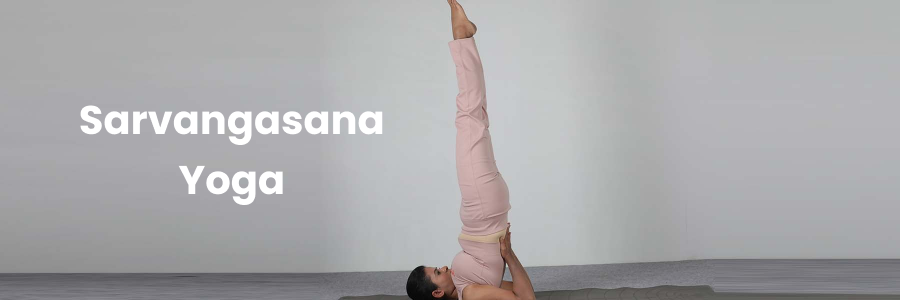
Sarvangasana, commonly known as the Shoulder Stand, is a revered yoga pose known for its profound health benefits. This inversion pose, where the body is balanced on the shoulders, has been a staple in yoga practices for centuries. With its numerous physiological and psychological advantages, Sarvangasana is a potent tool for enhancing overall well-being.
Understanding Sarvangasana
The Essence of Sarvangasana
Sarvangasana translates to "all-limbs pose" in Sanskrit. This name underscores the holistic impact of the pose, which engages multiple body parts and systems. The pose involves lifting the legs, torso, and hips vertically while supporting the body with the shoulders, neck, and arms.
Get a second opinion from trusted experts and makeconfident, informed decisions.
Get Second OpinionNot sure where to start?
Talk to a patient care advisor — free, confidential, 24/7. We'll match you to the right specialist and book your appointment in minutes.
Steps to Perform Sarvangasana
- Preparation: Lie down on your back with arms by your sides and palms facing down.
- Lift Off: Gradually lift your legs, buttocks, and back to form a straight line perpendicular to the floor. Support your back with your hands.
- Alignment: Ensure your body weight rests on your shoulders, not on your neck. Your elbows should be shoulder-width apart.
- Hold: Maintain the pose for 30 seconds to 3 minutes, depending on your comfort level and experience.
- Descend: Slowly lower your back and legs to the floor and relax.
Sarvangasana Yoga Benefits
Enhancing Thyroid Health
Sarvangasana is particularly noted for its positive effects on the thyroid gland. The inversion increases blood flow to the neck region, stimulating the thyroid and parathyroid glands. This can help regulate metabolism, improve hormonal balance, and support overall endocrine health.
Improving Circulation and Detoxification
By reversing the usual gravitational pull on the body, Sarvangasana enhances blood circulation to the upper body, brain, and heart. This increased blood flow can help detoxify the body by flushing out toxins and improving the efficiency of the lymphatic system.
Alleviating Respiratory Problems
The pose opens up the chest and increases lung capacity, which can be beneficial for individuals with respiratory issues like asthma and bronchitis. Enhanced lung function leads to better oxygenation of the body, improving overall vitality and energy levels.
Promoting Digestive Health
Sarvangasana improves digestion by stimulating the abdominal organs. The inversion helps alleviate issues such as constipation and indigestion. Regular practice can promote a healthier and more efficient digestive system.
Sarvangasana and Stress Relief
Calming the Nervous System
Sarvangasana is known for its calming effects on the nervous system. The inversion helps regulate the parasympathetic nervous system, promoting relaxation and reducing stress levels. This makes it an effective tool for managing anxiety and enhancing emotional stability.
Enhancing Mental Clarity
The increased blood flow to the brain during Sarvangasana can improve cognitive functions, enhance concentration, and boost memory. Practising this pose regularly can lead to greater mental clarity and focus.
Sarvangasana for Beginners
Safety Precautions
For beginners, it is crucial to approach Sarvangasana with caution to avoid strain or injury. Ensure you have adequate flexibility and strength in your shoulders, neck, and back. Using props like blankets or bolsters can provide additional support and stability.
Gradual Progression
Beginners should start with a modified version of the pose, such as Ardha Sarvangasana (Half Shoulder Stand), where the legs are not fully vertical. Gradually increase the duration and intensity of the pose as your comfort and strength improve.
Sarvangasana Pose Steps for Effective Practice
Warm-Up
Before attempting Sarvangasana, it is essential to warm up the body with preparatory poses like Setu Bandhasana (Bridge Pose) and Halasana (Plow Pose). These poses help prepare the shoulders, neck, and spine for the inversion.
Alignment and Support
Focus on maintaining proper alignment throughout the pose. Use your hands to support your back and ensure your elbows are not splayed out. Engage your core muscles to stabilize the body and protect your neck from strain.
Breathing and Relaxation
Maintain steady and controlled breathing while holding Sarvangasana. Deep, rhythmic breaths can enhance the pose's calming effects and help you hold it for a longer duration. After descending from the pose, take a few moments to relax in Savasana (Corpse Pose) to allow the body to integrate the benefits.
Contraindications and Cautions
Medical Conditions
Individuals with certain medical conditions should avoid Sarvangasana or practice it under the guidance of a qualified instructor. These conditions include neck injuries, high blood pressure, glaucoma, and heart conditions.
Pregnancy
Pregnant women should avoid practicing Sarvangasana due to the risk of strain on the abdomen and potential harm to the fetus. Alternative poses that are safer during pregnancy can provide similar benefits.
Individual Limitations
Always listen to your body and avoid pushing beyond your limits. If you experience any discomfort or pain, exit the pose immediately and consult a healthcare professional if necessary.
Integrating Sarvangasana into Your Yoga Practice
Consistency and Commitment
Incorporate Sarvangasana regularly into your yoga practice to reap its full benefits. Consistency is vital to experiencing the long-term advantages of this powerful pose.
Complementary Poses
Combine Sarvangasana with other complementary poses, such as Matsyasana (Fish Pose) and Paschimottanasana (Seated Forward Bend), to create a balanced yoga sequence. These poses can counterbalance the effects of the inversion and provide additional health benefits.
Your health is everything - prioritize your well-being today.
Schedule Your AppointmentProfessional Guidance
Consider seeking guidance from a certified yoga instructor to ensure proper technique and alignment. An experienced instructor can provide personalized modifications and adjustments to suit your individual needs and capabilities.
Conclusion
Sarvangasana is a transformative yoga pose with a multitude of health benefits. From enhancing thyroid health and improving circulation to relieving stress and promoting mental clarity, this inversion pose is a valuable addition to any yoga practice. By approaching Sarvangasana with mindfulness and consistency, you can unlock its full potential and experience profound improvements in your overall health and well-being.
Frequently Asked Questions
Sarvangasana, or Shoulder Stand, offers numerous benefits, including improved circulation and relaxation.
Beginners may find it enhances flexibility and strengthens core muscles, providing a solid foundation.
To perform Sarvangasana, lie on your back, lift your legs, and support your lower back with your hands.
This pose can stimulate the thyroid gland, potentially improving hormonal balance.
Practicing this pose promotes relaxation and can reduce stress levels through deep breathing techniques.
- Cardiology
- Case Studies
- Dermatology
- Endocrinology
- ENT
- Fertility
- Gastroenterology
- General
- General-Medicine
- Gynecology
- Hematology
- Infectious-Diseases
- Medical News
- Neurology
- Oncology
- Ophthalmology
- Orthopedics
- Pediatrics
- Procedure
- Public-Health
- Pulmonology
- Radiology
- Second Opinion
- Urology
- Wellness
- Woman-and-child
Related Blogs
Still have questions? Speak with our experts now!
040-68334455


