 Call
Call Patient Reports
- Cardiology 84
- Dermatology 45
- Endocrinology 33
- ENT 16
- Fertility 190
- Gastroenterology 78
- General-Medicine 81
- Gynecology 80
- Hematology 19
- Infectious-Diseases 33
- Neurology 52
- Oncology 34
- Ophthalmology 23
- Orthopedics 69
- Pediatrics 31
- Procedure 23
- Public-Health 144
- Pulmonology 59
- Radiology 8
- Urology 68
- Wellness 161
- Woman-and-child 77
- 3759
- 3.5 Minute
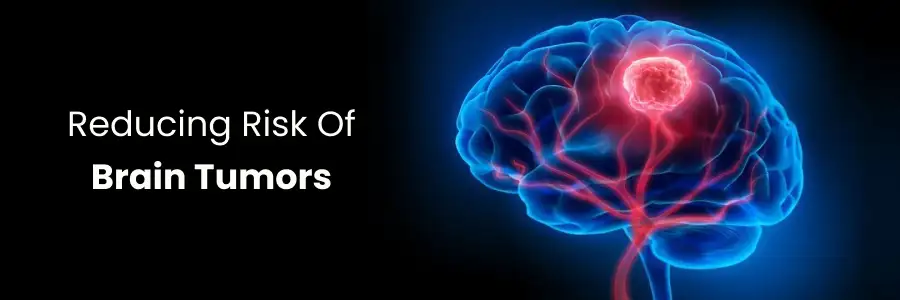
Reducing Risk of Brain Tumors, Medicover Nellore
Brain tumors can be a frightening diagnosis, but there are ways to reduce your risk and manage factors that could contribute to their development. While some risk factors are beyond our control, like genetics, there are many lifestyle choices and preventive measures that can help minimize the risk.
This article will provide an overview of brain tumor risk factors, prevention strategies, and practical advice for reducing your chances of developing a brain tumor.
Get a second opinion from trusted experts and makeconfident, informed decisions.
Get Second OpinionNot sure where to start?
Talk to a patient care advisor — free, confidential, 24/7. We'll match you to the right specialist and book your appointment in minutes.
What Are Brain Tumors?
Brain tumors are abnormal growths of cells within the brain. They can be either benign (non-cancerous) or malignant (cancerous). Both types can cause significant health issues because they can press on brain tissues and affect the brain's function.
Risk Factors for Brain Tumors
Several factors can increase the risk of developing brain tumors. Some of these include:
- Genetics: Certain genetic conditions, such as neurofibromatosis and Li-Fraumeni syndrome, can increase the risk.
- Radiation Exposure: Exposure to ionizing radiation, such as radiation therapy for other cancers, can increase the risk of brain tumors.
- Age: Brain tumors are more common in children and older adults.
- Family History: A family history of brain tumors can increase your risk.
Preventing Brain Tumors
Healthy Lifestyle Choices
Making healthy lifestyle choices can play a significant role in reducing the risk of brain tumors.
Diet and Nutrition
A balanced diet rich in fruits, vegetables, whole grains, and lean proteins can support overall health and may help reduce the risk of various cancers, including brain tumors. Antioxidants found in fruits and vegetables can help protect cells from damage.
Exercise
Regular physical activity can help maintain a healthy weight and reduce the risk of many health issues, including cancer. Aim for at least 150 minutes of moderate-intensity exercise each week.
Avoiding Harmful Exposures
Limiting exposure to potential carcinogens and harmful substances can also reduce the risk.
Radiation
While we can't avoid all sources of radiation, we can take steps to minimize unnecessary exposure. For example, limit the use of medical imaging that uses ionizing radiation, such as CT scans, unless absolutely necessary.
Environmental Toxins
Be aware of and minimize exposure to environmental toxins, such as pesticides, solvents, and other chemicals that may increase cancer risk.
Brain Tumor Risk Management
Regular Health Check-ups
Regular health check-ups can help with early detection and management of potential health issues. Discuss any concerns or symptoms with your healthcare provider.
Monitoring for Symptoms
Be aware of the symptoms of brain tumors, such as persistent headaches, seizures, vision problems, and changes in behavior or cognitive function. Early detection can lead to more effective treatment.
Genetic Counseling and Testing
If you have a family history of brain tumors or genetic conditions that increase your risk, consider genetic counseling and testing. This can help you understand your risk and take appropriate preventive measures.
Practical Tips for Reducing Brain Tumor Risk
Limit Mobile Phone Use
While the link between mobile phone use and brain tumors is still debated, it's a good idea to take precautions. Use speakerphone or a headset to keep the phone away from your head, and limit the duration of calls.
Be Cautious with Hormone Replacement Therapy (HRT)
Some studies suggest a potential link between hormone replacement therapy and an increased risk of brain tumors. Discuss the risks and benefits of HRT with your healthcare provider.
Stay Informed and Educated
Stay informed about the latest research and recommendations regarding brain tumor prevention. Knowledge is a powerful tool in managing your health.
Your health is everything - prioritize your well-being today.
Schedule Your AppointmentConclusion
Reducing the risk of brain tumors involves a combination of healthy lifestyle choices, avoiding harmful exposures, regular health check-ups, and staying informed. While some risk factors are beyond our control, taking proactive steps can help minimize the risk and promote overall health. Remember to consult with healthcare professionals for personalized advice and recommendations.
By adopting these strategies, you can take charge of your health and reduce your risk of developing brain tumors. Stay proactive, stay informed, and take care of your well-being.
Frequently Asked Questions
While the exact cause of most brain tumors is unknown, reducing exposure to radiation, avoiding smoking, and maintaining a healthy lifestyle can help lower risk.
Limiting exposure to medical radiation (e.g., unnecessary CT scans) and environmental radiation can help reduce the risk of developing brain tumors.
While there's no definitive evidence, maintaining a healthy diet and regular exercise may help support overall brain health and reduce cancer risk.
Yes, certain inherited conditions, like neurofibromatosis, can increase the risk. Genetic counseling may be advised for high-risk individuals.
Avoiding tobacco, reducing exposure to harmful chemicals, and managing stress can contribute to lowering the risk of brain tumors.
- Cardiology
- Case Studies
- Dermatology
- Endocrinology
- ENT
- Fertility
- Gastroenterology
- General
- General-Medicine
- Gynecology
- Hematology
- Infectious-Diseases
- Medical News
- Neurology
- Oncology
- Ophthalmology
- Orthopedics
- Pediatrics
- Procedure
- Public-Health
- Pulmonology
- Radiology
- Second Opinion
- Urology
- Wellness
- Woman-and-child
Related Blogs
Still have questions? Speak with our experts now!
040-68334455


