 Call
Call Patient Reports
- Cardiology 84
- Dermatology 45
- Endocrinology 33
- ENT 16
- Fertility 190
- Gastroenterology 78
- General-Medicine 81
- Gynecology 80
- Hematology 19
- Infectious-Diseases 33
- Neurology 52
- Oncology 34
- Ophthalmology 23
- Orthopedics 69
- Pediatrics 31
- Procedure 23
- Public-Health 144
- Pulmonology 59
- Radiology 8
- Urology 68
- Wellness 161
- Woman-and-child 77
- 3759
- 3.5 Minute
Nutritional Benefits of Rajma for Health
Rajma, commonly known as kidney beans, is a staple in many cuisines worldwide. Its rich nutritional profile makes it a superfood that offers numerous health benefits. In this article, we will delve deep into the various types of rajma, their health benefits, and potential side effects, providing a comprehensive understanding of why rajma should be a part of your diet.
Types of Rajma and Their Nutritional Profile
Rajma is available in several varieties, each with its unique nutritional benefits. The three primary types are red rajma, white rajma, and black rajma. Let's explore the nutritional profiles of each type.
Red Rajma
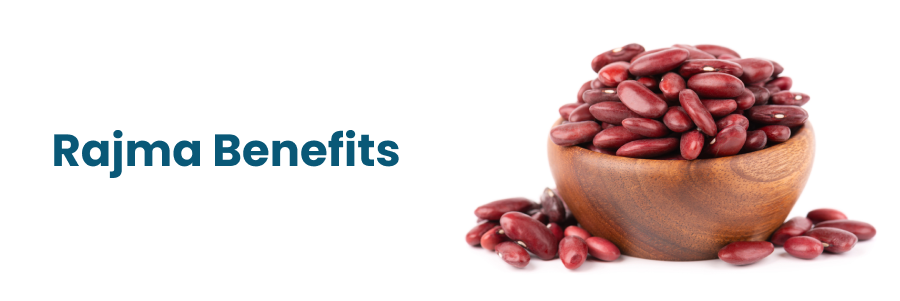
Red rajma, the most common variety, is rich in proteins, carbohydrates, and dietary fiber. It also contains essential vitamins and minerals like iron, magnesium, and potassium. The high fiber content aids in digestion, while the proteins help in muscle building and repair.
Get a second opinion from trusted experts and makeconfident, informed decisions.
Get Second OpinionNot sure where to start?
Talk to a patient care advisor — free, confidential, 24/7. We'll match you to the right specialist and book your appointment in minutes.
White Rajma
White rajma, also known as cannellini beans, is slightly milder in flavor compared to its red counterpart. It is a good source of calcium, which is crucial for bone health. Additionally, white rajma contains antioxidants that help fight free radicals, reducing the risk of chronic diseases.
Black Rajma
Black rajma, though less common, is packed with nutrients. It contains high levels of antioxidants, vitamins, and minerals. The rich content of anthocyanins in black rajma is known for its anti-inflammatory properties, which can help in reducing inflammation and improving overall health.
Rajma Health Benefits
Heart Health
One of the most significant benefits of rajma is its positive impact on heart health. The high levels of dietary fiber, potassium, and magnesium in rajma help in lowering blood pressure and reducing cholesterol levels. These factors collectively contribute to a reduced risk of heart diseases.
Digestive Health
The dietary fiber in rajma plays a crucial role in promoting digestive health. It aids in regular bowel movements and prevents constipation. Additionally, the prebiotic properties of rajma support the growth of beneficial gut bacteria, enhancing overall gut health.
Weight Management
Rajma is an excellent food choice for those looking to manage their weight. The high protein and fiber content help in promoting satiety, reducing overall calorie intake. Including rajma in your diet can help in maintaining a healthy weight and preventing obesity.
Blood Sugar Regulation
For individuals with diabetes, rajma can be particularly beneficial. The low glycemic index of rajma ensures that it releases glucose slowly into the bloodstream, preventing sudden spikes in blood sugar levels. This makes it a suitable food option for diabetics.
Skin Health
Rajma is packed with antioxidants that are beneficial for skin health. These antioxidants help in reducing oxidative stress, which can lead to premature aging. Regular consumption of rajma can result in healthier, more youthful-looking skin.
Rajma Benefits and Side Effects
Benefits
- Rich in Nutrients: Rajma is a powerhouse of essential nutrients, including proteins, vitamins, and minerals.
- Boosts Immunity: The presence of antioxidants and essential vitamins in rajma helps in strengthening the immune system.
- Improves Bone Health: The calcium and magnesium content in rajma contribute to stronger bones and teeth.
- Enhances Energy Levels: Rajma is a good source of complex carbohydrates, providing sustained energy throughout the day.
Side Effects
While rajma offers numerous health benefits, it is essential to consume it in moderation. Here are some potential side effects:
- Gas and Bloating: The high fiber content in rajma can cause gas and bloating in some individuals. Soaking rajma overnight before cooking can help in reducing these effects.
- Allergic Reactions: Some people may be allergic to rajma, leading to symptoms like itching, swelling, and difficulty in breathing. It is advisable to consult a healthcare professional if you experience any allergic reactions.
- Phytic Acid: Rajma contains phytic acid, which can inhibit the absorption of certain minerals like iron and calcium. Soaking and cooking rajma properly can help in reducing the phytic acid content.
How to Incorporate Rajma into Your Diet
Rajma can be incorporated into your diet in various delicious ways. Here are some ideas:
Rajma Curry
A popular dish in Indian cuisine, rajma curry is both nutritious and flavorful. Cook rajma with tomatoes, onions, and a blend of spices to create a hearty meal.
Rajma Salad
For a lighter option, try a rajma salad. Mix cooked rajma with fresh vegetables, herbs, and a light dressing for a refreshing and healthy salad.
Rajma Soup
Rajma soup is another excellent way to enjoy the health benefits of rajma. Simmer cooked rajma with vegetables and spices to create a comforting and nourishing soup.
Your health is everything - prioritize your well-being today.
Schedule Your AppointmentConclusion
Rajma is undoubtedly a nutritional powerhouse that offers a myriad of health benefits. From improving heart health to promoting better digestion and enhancing skin health, the benefits of rajma are extensive. However, it is crucial to consume it in moderation and be mindful of potential side effects. By incorporating rajma into your diet, you can enjoy its numerous health benefits and contribute to overall well-being.
Frequently Asked Questions
Rajma, also known as kidney beans, are rich in essential nutrients including protein, fiber, iron, and vitamins. They help in maintaining healthy blood sugar levels, improving digestive health, and supporting heart health by reducing cholesterol levels.
Benefits of rajma include providing a good source of plant-based protein, aiding in weight management, and improving heart health. However, excessive consumption may lead to digestive issues like gas and bloating due to their high fiber content.
Red rajma is known for its higher protein and fiber content, aiding in muscle building and digestive health. White rajma contains fewer calories and is easier to digest, making it suitable for weight loss diets. Black rajma is rich in antioxidants, which help in combating free radicals and reducing the risk of chronic diseases.
Rajma benefits the skin by providing essential nutrients like vitamins A and C, which promote collagen production and protect against skin aging. The antioxidants present in rajma help in reducing inflammation and improving overall skin health.
Rajma seeds are packed with nutrients that support bone health, improve digestion, and enhance immune function. They also contain antioxidants that protect against cellular damage and may aid in preventing certain types of cancers.
- Cardiology
- Case Studies
- Dermatology
- Endocrinology
- ENT
- Fertility
- Gastroenterology
- General
- General-Medicine
- Gynecology
- Hematology
- Infectious-Diseases
- Medical News
- Neurology
- Oncology
- Ophthalmology
- Orthopedics
- Pediatrics
- Procedure
- Public-Health
- Pulmonology
- Radiology
- Second Opinion
- Urology
- Wellness
- Woman-and-child
Related Blogs
Still have questions? Speak with our experts now!
040-68334455


