 Call
Call Patient Reports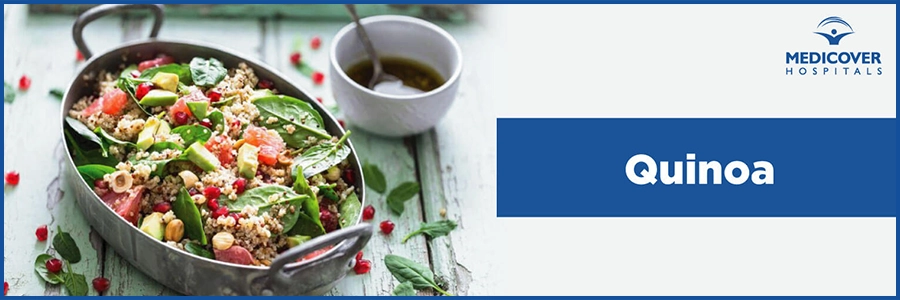
- 3947
- 3.7 Minute
What is Quinoa? Benefits, Nutrition and How to Eat It?
Quinoa is a tiny seed that’s becoming more and more popular around the world. Many people use it as a healthy replacement for rice or pasta. It’s easy to cook, naturally gluten-free, and full of nutrients your body needs. In this blog, we’ll explore what quinoa is, why it’s so good for your health, what nutrients it contains, and how you can add it to your daily meals. Whether you’re trying to eat healthier, lose weight, or just try something new, quinoa is a smart and tasty choice.
What is Quinoa?
Quinoa comes in several colors, including white, red, black, yellow, and even pink. While it’s cooked similarly to grains, quinoa is actually a seed harvested from the plant Chenopodium quinoa. It’s gluten-free, high in protein, and rich in essential vitamins and minerals.
One of the standout features of quinoa is that it’s a complete protein, meaning it contains all nine essential amino acids your body can’t produce on its own. That makes it an excellent plant-based protein source for vegetarians and vegans.
Get a second opinion from trusted experts and makeconfident, informed decisions.
Get Second OpinionNot sure where to start?
Talk to a patient care advisor — free, confidential, 24/7. We'll match you to the right specialist and book your appointment in minutes.
Health Benefits of Quinoa
1. Complete Quinoa Protein Source
Quinoa contains all nine essential amino acids, including:
- Lysine
- Valine
- Leucine
- Isoleucine
- Threonine
- Methionine
- Phenylalanine
- Tryptophan
- Histidine
This makes it ideal for muscle repair, growth, and overall wellness.
2. Supports Heart Health
Quinoa contains heart-friendly nutrients such as:
- Omega-3 fatty acids
- Monounsaturated fats
- Antioxidants like flavonoids (quercetin and kaempferol)
These compounds help reduce bad cholesterol, support circulation, and lower the risk of cardiovascular diseases.
3. Improves Digestion
Quinoa is high in dietary fiber, with one cup providing about 21% of your daily needs. This supports:
- Better bowel movements
- Reduced constipation
- A healthier gut microbiome
4. High in Antioxidants
Packed with vitamin E, quercetin, and kaempferol, quinoa helps protect against:
- Inflammation
- Oxidative stress
- Chronic diseases like cancer, heart disease, and even neurodegenerative conditions
5. Good Source of Iron
Iron is essential for:
- Oxygen transport
- Muscle and tissue function
- Energy production
One cup of quinoa provides about 2.76 mg of iron an important mineral often lacking in many diets.
6. Contains Folate
Folate is crucial for:
- DNA production
- Preventing birth defects during pregnancy
- Supporting mental health and reducing the risk of depression
One cup of cooked quinoa provides 19% of the daily recommended folate intake.
7. Rich in Magnesium
Magnesium supports over 300 enzymatic processes in the body and can help with:
- High blood pressure
- Heart health
- Diabetes management
- Migraine prevention
One serving offers around 118 mg of this essential mineral.
8. Lowers Blood Sugar
Whole grains like quinoa can help manage type 2 diabetes by:
- Lowering blood sugar spikes
- Reducing cholesterol and triglyceride levels
- Improving insulin sensitivity
Nutritional Profile of Quinoa
Quinoa is a highly nutritious seed often referred to as a "superfood" due to its impressive nutrient profile. It is a great source of protein and fiber and is packed with essential vitamins and minerals. Here's a breakdown of its nutritional profile, highlighting why it's a healthy addition to any diet.
Quinoa | Fact | Myth |
|---|---|---|
Calories | 120 kCal | 71 kCal |
Carbohydrates | 21.3 g | 13.6 g |
Dietary Fibre | 2.8 g | 1.7 g |
Fat | 1.9 g | 1.5 g |
Protien | 4.4 g | 2.5 g |
While both quinoa and oats are healthy choices, quinoa edges ahead for those needing a complete protein source or a gluten-free option.
Quinoa for Weight Loss
Quinoa is an excellent food for weight loss because:
- It’s high in protein, which increases satiety and helps control appetite.
- It’s fiber-rich, keeping you fuller for longer and reducing calorie intake.
- It’s gluten-free and easily digestible, which helps prevent bloating and promotes healthy metabolism.
Quinoa Benefits for Women
Quinoa is particularly beneficial for women's health:
- Hormonal Balance: Magnesium helps regulate hormones, reducing PMS and menopause symptoms.
- Bone Health: Calcium, magnesium, and phosphate strengthen bones, important for preventing osteoporosis.
- Healthy Skin: Antioxidants in quinoa protect the skin and reduce aging signs.
- Energy Boost: Iron and complex carbs in quinoa keep energy levels high throughout the day.
- Weight Management: Fiber and protein help regulate appetite and maintain a healthy weight.
How to Eat Quinoa?
Quinoa is super versatile and can be used in many ways:
- Cook and add to salads or grain bowls
- Use as a base for stir-fries
- Stir into soups or stews
- Enjoy as a hot breakfast porridge
- Grind into quinoa flour for baking
- Pop it like popcorn for a crunchy snack
It’s also suitable for babies and young children due to its high nutritional value.
Is Quinoa Better Than Oats?
It depends on your dietary goals. Quinoa provides complete protein and is gluten-free, making it ideal for:
- People with gluten sensitivity or celiac disease
- Vegetarians/vegans needing complete proteins
- Those managing blood sugar or heart health
Oats, on the other hand, are more budget-friendly and still offer great benefits. Ideally, include both in a balanced diet.
Your health is everything - prioritize your well-being today.
Schedule Your AppointmentConclusion
Whether you're looking to boost your protein intake, support your heart, manage weight, or simply eat healthier, quinoa is a powerhouse food that checks all the boxes. Its impressive nutrient profile, delicious versatility, and numerous health benefits make it an excellent addition to your daily meals.
Frequently Asked Questions
Yes, it is generally safe to eat quinoa daily as part of a balanced diet. It’s rich in nutrients like protein, fiber, and essential amino acids. However, variety in your diet is key to getting a broad range of nutrients.
Yes, quinoa can support weight loss. It’s high in fiber and protein, which helps you feel full longer, reducing the urge to overeat.
Eating too much of any food, including quinoa, can lead to weight gain if it causes a calorie surplus. Moderation and portion control are important.
A typical serving is about ½ to 1 cup of cooked quinoa per day. This provides a good amount of nutrients without excessive calories.
Quinoa and lentils both have excellent health benefits. Quinoa is a complete protein and gluten-free, while lentils are higher in fiber and iron. Including both in your diet can offer a balanced variety of nutrients.
Quinoa can be eaten any time of the day breakfast, lunch, or dinner. It’s especially good post-workout due to its protein content, or as a filling base for lunch or dinner meals.
- Cardiology
- Case Studies
- Dermatology
- Endocrinology
- ENT
- Fertility
- Gastroenterology
- General
- General-Medicine
- Gynecology
- Hematology
- Infectious-Diseases
- Medical News
- Neurology
- Oncology
- Ophthalmology
- Orthopedics
- Pediatrics
- Procedure
- Public-Health
- Pulmonology
- Radiology
- Second Opinion
- Urology
- Wellness
- Woman-and-child
Related Blogs
Still have questions? Speak with our experts now!
040-68334455


