 Call
Call Patient Reports
- Cardiology 84
- Dermatology 45
- Endocrinology 33
- ENT 16
- Fertility 190
- Gastroenterology 78
- General-Medicine 81
- Gynecology 80
- Hematology 19
- Infectious-Diseases 33
- Neurology 52
- Oncology 34
- Ophthalmology 23
- Orthopedics 69
- Pediatrics 31
- Procedure 23
- Public-Health 144
- Pulmonology 59
- Radiology 8
- Urology 68
- Wellness 161
- Woman-and-child 77
- 3759
- 3.5 Minute
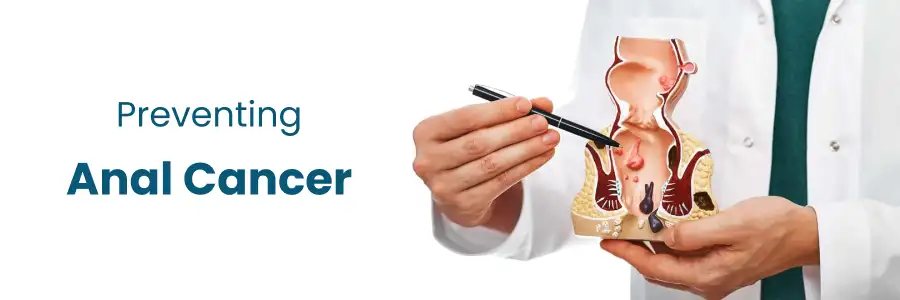
Preventing Anal Cancer
Cancer is a word that no one wants to hear. Yet, it's a reality for many. Anal cancer, though less common, is a type that deserves our attention.
Understanding how to prevent it is crucial. This article aims to shed light on anal cancer prevention.
We'll explore practical prevention measures and healthy habits. These can significantly reduce the risk of developing this disease.
By the end of this guide, you'll have a better understanding of preventative tips for cancer. Specifically, we'll focus on anal cancer. Let's dive into the world of anal cancer prevention and learn how to protect ourselves better.
Get a second opinion from trusted experts and makeconfident, informed decisions.
Get Second OpinionNot sure where to start?
Talk to a patient care advisor — free, confidential, 24/7. We'll match you to the right specialist and book your appointment in minutes.
Understanding Anal Cancer
Anal cancer is a type of cancer that forms in tissues of the anus. It's not as prevalent as other cancers, but it's equally important to understand.
Knowing the risk factors and symptoms can help in early detection. This can significantly improve treatment outcomes.
The Role of HPV in Anal Cancer
A significant number of anal cancers are linked to the human papillomavirus (HPV). This virus is sexually transmitted and can cause changes in the anal canal that may lead to cancer.
Vaccination against HPV is a primary preventive measure for anal cancer. It's a crucial step in reducing the risk of this disease.
Key Risk Factors for Anal Cancer
Understanding the risk factors for anal cancer is crucial for prevention. Some of these factors are modifiable, while others are not.
Here are some key risk factors:
- Age: Anal cancer is more common in people over 50.
- Smoking: Smokers are more likely to get anal cancer.
- Sexual activity: Having multiple sexual partners increases the risk.
- HPV infection: A significant number of anal cancers are linked to HPV.
- Immunosuppression: People with weakened immune systems are at higher risk.
Genetic and Environmental Influences
Genetics can also play a role in anal cancer risk. If you have a family history of the disease, your risk may be higher.
Environmental factors, such as exposure to certain chemicals or radiation, can also increase the risk. It's important to understand these influences to take appropriate preventive measures.
Practical Prevention Measures
Preventing anal cancer involves taking practical steps to reduce risk factors. This includes adopting healthy habits and making informed lifestyle choices.
For instance, quitting smoking can significantly reduce your risk. Similarly, maintaining a healthy weight and staying physically active can also help.
HPV Vaccination and Safe Practices
One of the most effective ways to prevent anal cancer is to get vaccinated against HPV. This virus is a major cause of anal cancer, and vaccination can significantly reduce your risk.
In addition to vaccination, practicing safe sex can also help prevent HPV infection. Using condoms and limiting the number of sexual partners can reduce your exposure to the virus.
Regular Screening and Early Detection
Regular screening is another crucial aspect of anal cancer prevention. It can help detect the disease in its early stages when it's easier to treat.
If you're at high risk, your healthcare provider may recommend regular anal Pap tests. These tests can detect changes in the anal canal that could indicate cancer.
Healthy Habits for Anal Cancer Risk Reduction
Adopting healthy habits is a key part of anal cancer prevention. This includes maintaining a balanced diet, regular exercise, and avoiding harmful substances.
A diet rich in fruits, vegetables, and whole grains can help maintain a healthy weight. This is important as obesity can increase the risk of various cancers, including anal cancer.
Diet, Exercise, and Smoking Cessation
Regular physical activity can also contribute to cancer prevention. It helps maintain a healthy weight and boosts the immune system.
Smoking cessation is another crucial step. Smoking is a known risk factor for many cancers, including anal cancer. Quitting smoking can significantly reduce this risk.
Managing Other Health Factors
Managing other health factors is also important. This includes regular check-ups and screenings.
Regular medical check-ups can help detect any health issues early. This includes anal cancer. Early detection can significantly improve treatment outcomes.
Community and Support
Community plays a vital role in cancer prevention. It provides a platform for sharing information and resources.
Support from family, friends, and healthcare professionals is also crucial. It can help individuals maintain healthy habits and cope with the emotional aspects of cancer prevention.
Education, Advocacy, and Research
Education is key in cancer prevention. It helps individuals understand the risk factors and prevention measures.
Advocacy and research are also important. They contribute to the development of new prevention strategies and policies. Advocacy can also help increase awareness and funding for cancer research.
Your health is everything - prioritize your well-being today.
Schedule Your AppointmentConclusion and Further Resources
In conclusion, anal cancer prevention involves understanding the disease, its risk factors, and adopting healthy habits. It's a collective effort that requires individual commitment, community support, and continuous research.
For further resources on anal cancer prevention, consult reputable health websites, your healthcare provider, or local health departments. Stay informed and proactive in your health journey.
Frequently Asked Questions
Prevention tips include receiving the HPV vaccine, practicing safe sex, and avoiding tobacco use, which are crucial in reducing the risk of anal cancer.
The HPV vaccine protects against the human papillomavirus, a major cause of anal cancer, and is recommended for both men and women.
Yes, regular screenings for those at risk can detect precancerous changes early, allowing for timely intervention and prevention of cancer progression.
Maintaining a healthy diet, exercising regularly, and avoiding risky sexual behaviors can significantly reduce the risk of anal cancer.
Some local health organizations offer educational programs and vaccination drives aimed at preventing HPV and reducing anal cancer risk.
- Cardiology
- Case Studies
- Dermatology
- Endocrinology
- ENT
- Fertility
- Gastroenterology
- General
- General-Medicine
- Gynecology
- Hematology
- Infectious-Diseases
- Medical News
- Neurology
- Oncology
- Ophthalmology
- Orthopedics
- Pediatrics
- Procedure
- Public-Health
- Pulmonology
- Radiology
- Second Opinion
- Urology
- Wellness
- Woman-and-child
Related Blogs
Still have questions? Speak with our experts now!
040-68334455


