 040 68334455
 WhatsApp
 Patient Portal
 Home Care
- Cardiology 84
- Dermatology 45
- Endocrinology 33
- ENT 16
- Fertility 190
- Gastroenterology 78
- General-Medicine 81
- Gynecology 80
- Hematology 19
- Infectious-Diseases 33
- Neurology 52
- Oncology 34
- Ophthalmology 23
- Orthopedics 69
- Pediatrics 31
- Procedure 23
- Public-Health 144
- Pulmonology 59
- Radiology 8
- Urology 68
- Wellness 161
- Woman-and-child 77
- 1758
- 3.7 Minute
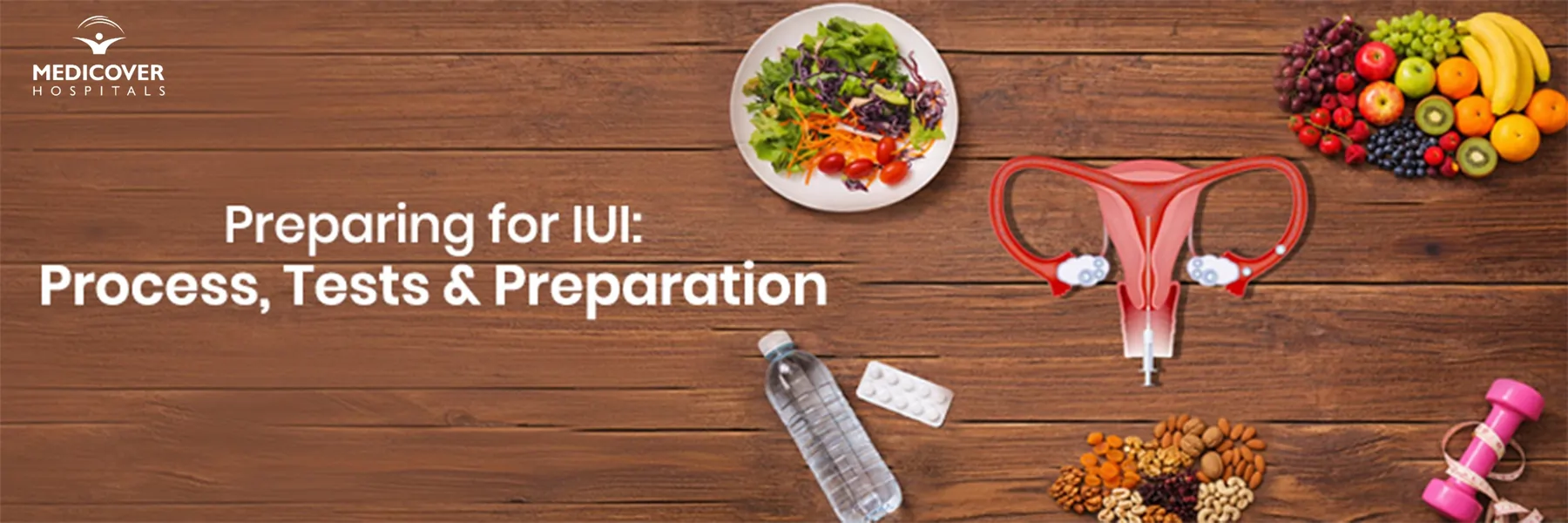
Preparing for IUI: Tests, Diet, Lifestyle and What to Expect
Preparing for IUI is an important step for individuals and couples who want to use assisted reproduction because of their ovulation problems and mild male factor issues and their unexplained infertility. The process requires medical assessments and necessary changes to daily life activities and proper cycle timing methods which help enhance success rates.
Early diagnosis and timely treatment development allow doctors to identify reversible factors which enable them to create personalized patient care plans while also reducing treatment delays that would impact patient outcomes through their health changes and age progression.
What Is IUI?
Intrauterine insemination is a commonly used fertility procedure where specially prepared sperm is placed directly into the uterus around the time of ovulation. The procedure which lasts only a short time, takes place in a clinic to improve the chances of healthy sperm reaching the egg.
The health care professional will suggest this method after they complete their assessment of hormone levels and ovulation patterns and semen diagnostics. The treatment serves as one component of a comprehensive fertility management program, which includes medications that help with ovulation but is customized to meet the specific requirements of each patient.
Get a second opinion from trusted experts and makeconfident, informed decisions.
Get Second OpinionPre-Treatment Preparation for IUI: Medical, Dietary and Lifestyle Readiness
Proper planning before the cycle begins can make the treatment journey smoother. This stage focuses on clinical evaluations and everyday habits that support readiness and safety before starting.
- Preparing for IUI treatment: The first step requires doctors to examine your medical background while they learn about your menstrual cycle and they need to assess your medications with their doctor. Patients receive clear guidance which helps them understand treatment procedures and decreases their doubts before they begin their medical care.
- Medical tests before IUI: The doctor normally recommends three tests which include blood tests, ultrasound scans and semen analysis. The tests enable doctors to determine when ovulation occurs and to evaluate uterine condition and sperm characteristics which assists in scheduling the menstrual cycle.
- Diet before IUI: The body needs a complete nutritional diet which includes various food groups to maintain its reproductive functions. Doctors recommend that patients eat meals throughout the day which should contain whole grains and fruits and vegetables while they maintain proper drinking habits for their hormonal balance.
- Lifestyle changes before IUI: Reducing smoking and alcohol intake, managing stress, and getting adequate sleep may positively influence treatment readiness. Gentle physical activity is usually encouraged unless medical advice suggests otherwise.
Preparing for IUI: Building the Right Foundation for Fertility Treatment
Preparing for IUI requires more than cycle tracking because it needs complete fertility treatment preparation which enables individuals to achieve both their physical needs and their medical goals. The current phase assesses reproductive health while treating adjustable risk factors to help optimise the body’s response to treatment.
The IUI preparation checklist provides an organized structure that helps doctors and individuals make decisions while reducing waiting times and enhancing their partnership. Fertility specialists can create personalized treatment plans through proper preparation which enables them to assess hormonal levels and uterine conditions and overall patient health which is necessary for creating effective insemination schedules.
- Comprehensive fertility assessment: This typically includes hormonal tests, pelvic scans, and semen analysis to help identify ovulation patterns and reproductive health status.
- Optimising hormonal balance: Addressing thyroid issues, insulin resistance or menstrual cycle irregularities supports better treatment response.
- Lifestyle and nutritional readiness: This typically includes balanced nutrition, stress management, and adequate sleep to contribute to overall reproductive health.
- Treatment planning and counselling: Such clear discussions about medications, timelines and expectations form a reliable IUI preparation checklist.
This approach ensures that fertility treatment preparation is structured, informed, and patient-centred.
Understanding the procedure and timing
Learning how to prepare for IUI also means knowing what happens on the day of insemination. Clinics will provide instructions on arrival time, bladder preparation, and post-procedure care. The insemination itself is usually brief, but preparation and recovery time may vary.
During IUI procedure preparation, the sperm is processed in a laboratory to select the most active sperm before placement in the uterus. This step is part of the intrauterine insemination process and is carried out under controlled conditions to ensure safety.
Your health is everything - prioritize your well-being today.
Schedule Your AppointmentEmotional readiness and mental wellbeing
Emotional health is essential for intrauterine insemination preparation. People commonly experience three emotional states which include hopefulness and anxiety and uncertainty during their treatment process. Patients can use counselling and support groups and direct talks with their healthcare providers to manage their treatment expectations and handle stress.
Preparing your body for the IUI process requires you to work on both your physical health and your mental health. The combination of relaxation techniques and realistic expectations and partner support creates an experience that becomes easier to handle.
What to expect after IUI
Most patients can resume their everyday functions on the same day as their medical procedure. The body may experience temporary mild cramping and light spotting which will usually resolve itself. The testing schedule for pregnancy will be explained to individuals by medical professionals, together with instructions about which symptoms need to be reported.
The waiting period brings emotional difficulties. Patients should not analyze their symptoms excessively but should depend on professional advice during their continuous fertility treatment.
Preparing for IUI requires multiple tasks that need to be completed before the first clinical appointment. The process requires dedicated steps which include medical assessment and healthful living practices and mental health assistance.
Early consultation enables clinicians to discover patient problems while creating customized treatment plans which help patients understand their medical journey. The option requires you to talk with a fertility specialist who will assist you in making decisions and help you progress securely with Medicover Fertility support.
Frequently Asked Questions
The most important step in preparing for IUI is completing fertility tests and menstrual cycle evaluation to ensure accurate timing and personalized treatment.
Blood tests, ultrasound scans, and semen analysis are done to assess ovulation, uterine health and sperm quality before IUI.
Yes, a healthy diet, stress management, proper sleep and avoiding smoking or alcohol can support fertility and treatment readiness.
Pregnancy testing is usually recommended about two weeks after insemination, as this allows enough time for implantation to occur.
Medicover Fertility follows a structured approach with medical evaluation, cycle monitoring, and personalised planning to ensure accurate and safe insemination timing.
- Cardiology
- Case Studies
- Dermatology
- Endocrinology
- ENT
- Fertility
- Gastroenterology
- General
- General-Medicine
- Gynecology
- Hematology
- Infectious-Diseases
- Medical News
- Neurology
- Oncology
- Ophthalmology
- Orthopedics
- Pediatrics
- Procedure
- Public-Health
- Pulmonology
- Radiology
- Second Opinion
- Urology
- Wellness
- Woman-and-child
Related Blogs
Still have questions? Speak with our experts now!
040-68334455


Feeling unwell?
Request a callback!
